NNPCL Chief Confesses How Nigeria’s Refineries Became a Billion-Dollar Financial Drain
NNPCL CEO Bayo Ojulari reveals that Nigeria’s state-owned refineries operated at “monumental losses,” wasting billions and prompting operational shutdowns. Inside the failures, political pressures, and what it means for Nigeria’s energy future.
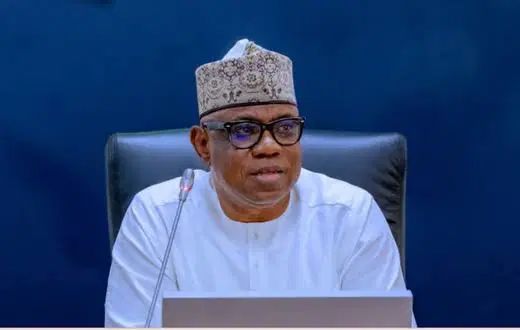
The Group Chief Executive Officer (GCEO) of the Nigerian National Petroleum Company Limited (NNPCL), Bayo Ojulari, has publicly admitted that Nigeria’s state-owned oil refineries were operating at massive financial losses, draining the country’s finances and forcing a strategic shift in national energy policy. His remarks, made on 4 February 2026 during the Nigeria International Energy Summit in Abuja, represent one of the most candid assessments yet by a senior oil industry official on the persistent failure of the nation’s refining sector.
Ojulari’s acknowledgement comes amid decades of investment and repeated efforts to rehabilitate Nigeria’s four government-owned refineries - located in Port Harcourt, Warri, and Kaduna - which have historically struggled to produce sufficient fuel, forcing the country to rely heavily on costly petroleum imports. (Naija News)
A Monumental Loss: What the NNPCL Boss Said
In his address at the summit titled “Securing Nigeria’s Energy Future,” Ojulari did not mince words about the performance of Nigeria’s refineries under NNPCL management. He stated that, after conducting a detailed review of refinery operations after assuming leadership, it became clear that the facilities were running at what he repeatedly described as a “monumental loss to Nigeria.”
“We were just wasting money,” Ojulari said, acknowledging public anger over the billions of naira spent on the plants over many years.
He explained that while crude oil was supplied consistently to the facilities, utilization rates hovered between 50 % and 55 %, meaning that much of the crude’s value was lost rather than converted into profitable products. The cost of operations, contractor fees, and other expenses far outstripped the value of refined output, effectively eroding national resources rather than adding value.
Historic Investment Without Return
Nigeria’s refineries have been the focus of repeated rehabilitation efforts stretching back decades, with some estimates suggesting more than $18 billion has been poured into repairs and maintenance since the early 2000s without sustained success. (Businessday NG)
For example, the Port Harcourt Refinery and Petrochemical Company underwent a $1.5 billion rehabilitation and was reopened in late 2024, only to be shut down again in May 2025 after continued financial losses. Ojulari admitted that this decision to restart operations had “wasted money,” given the outcomes. (The Eagle Online)
Government internal assessments and commentary from industry analysts have long highlighted the structural issues in Nigeria’s refinery strategy: repeated cycle of rehabilitation contracts focused on capital expenditure and engineering rather than addressing the ongoing operational capacity and management expertise needed for profitability. (Independent Newspaper Nigeria)
Political Pressures and Commercial Reality
Ojulari also revealed that political pressures had historically compelled NNPCL to keep refineries running even when commercial realities suggested otherwise. Pressure to supply domestic fuel and avoid imported product shortages often outweighed economically rational decisions, leading to sustained operations despite mounting losses.
“This tension between commerciality and political imperatives has been a defining feature of the refineries’ history,” industry observers note, as Nigeria’s national oil company has traditionally been seen as a vehicle for ensuring fuel availability rather than running as a commercially disciplined enterprise.
Shutting Down to Stop the Losses
One of Ojulari’s first major decisions as NNPCL boss was to halt operations at the refineries. He explained that this move was designed to prevent further erosion of value while the company reassessed the viability of the assets and explored new strategic options.
During his address, Ojulari emphasised that state-owned refineries, in their current operational structure, lack the managerial, technical and financial capacity to function profitably. This has represented a stark departure from previous official rhetoric that projected confidence in ongoing rehabilitation and eventual viability.
What Happens Next: Strategic Shifts
In response to the entrenched problems, NNPCL’s leadership is now seeking alternative models for refinery operations. Ojulari revealed that NNPCL plans to pursue strategic partnerships with established global refinery operators that would acquire equity stakes and help drive efficiency and profitability.
Rather than relying on traditional contractor-led rehabilitation projects, the new model aims to bring in partners with “skin in the game” - operators with proven experience, financial incentives, and the technical capacity to manage complex refining assets sustainably.
Nigeria is also reported to be in advanced discussions with at least one Chinese energy company interested in inspecting refinery infrastructure and potential partnership investment, highlighting the shift toward equity-based collaboration rather than state-run operations. (Reuters)
Economic and Policy Implications
Massive Fiscal Drain: For Nigeria’s economy - heavily reliant on oil revenue - the admission that state-owned refineries have been running at monumental losses spotlights a critical fiscal burden. Millions of dollars have been expended with minimal output, diverting resources from other sectors such as infrastructure, healthcare and education.
Fuel Import Dependence: As a result of underperforming refineries, Nigeria has remained dependent on imported refined petroleum products, a situation that exacerbates trade deficits and puts pressure on foreign exchange reserves. In contrast, private facilities like the Dangote Refinery have stepped in to fill some domestic demand gaps, further complicating the role of state-owned plants.
Policy Reform and Privatisation Debate
Ojulari’s statements lend fuel to long-standing calls for privatisation or partial divestment of state refineries, a policy debate that has persisted for years but faced political resistance. Critics argue that refocusing on private sector participation and stringent commercial oversight could help unlock value that state-run operations have failed to deliver.
Public Reaction and Industry Response
Public reaction has been mixed. Some industry experts and citizens have lauded Ojulari’s candour, saying it provides needed transparency on why Nigeria’s refineries have failed to meet expectations. Others criticize the historical mismanagement and call for accountability for the billions spent with little return. (Sahara Reporters)
Opposition political leaders have also used the admission to renew calls for investigations into past management decisions and alleged corruption surrounding the rehabilitation contracts that consumed billions over decades.