NNPC Doubles Dangote Refinery Crude Supply to 10 Cargoes: Boost for Nigeria’s Energy Independence
NNPC increases crude oil supply to Dangote Refinery from five to ten cargoes monthly. Analysis of the impact on fuel prices, energy security, and Nigeria’s refining capacity.
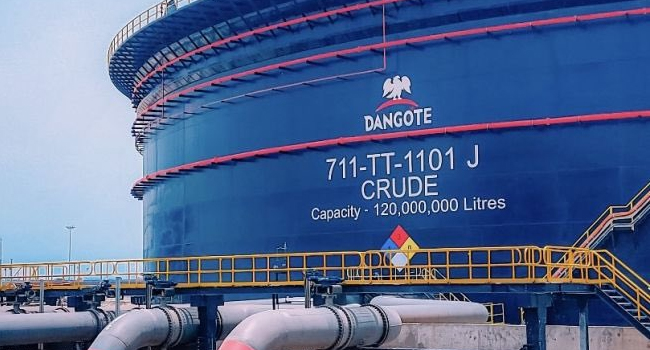
Nigeria’s energy sector has received a significant boost as the Nigerian National Petroleum Company Limited (NNPC) announced an increase in crude oil supply to the Dangote Refinery from five to ten cargoes per month.
The development marks a major step toward strengthening domestic refining capacity and reducing Nigeria’s long-standing dependence on imported petroleum products.
NNPC confirmed that it has doubled its crude oil allocation to the Dangote Refinery, increasing supply to 10 cargoes monthly as part of a renewed supply arrangement. (punchng.com)
Each cargo typically contains approximately one million barrels of crude oil, meaning the refinery could now receive up to 10 million barrels monthly under the new deal.
This move is expected to significantly enhance the operational capacity of the refinery, which is designed to process up to 650,000 barrels per day, making it Africa’s largest refinery.
Why the Increase Matters
1. Boosting Local Refining Capacity: For decades, Nigeria has paradoxically exported crude oil while importing refined petroleum products due to limited domestic refining capacity.
By increasing supply to the Dangote Refinery, the NNPC is helping to reverse this trend. The refinery is expected to:
- Produce petrol, diesel, and aviation fuel locally
- Reduce reliance on imports
- Strengthen Nigeria’s energy self-sufficiency
2. Stabilizing Fuel Supply: Fuel scarcity has been a recurring challenge in Nigeria, often triggered by supply chain disruptions and foreign exchange constraints.
With increased crude supply, the Dangote Refinery is better positioned to:
- Maintain steady production
- Meet domestic demand
- Reduce volatility in fuel availability
3. Potential Impact on Fuel Prices: One of the biggest expectations from the Dangote Refinery is lower fuel prices.
By refining locally:
- Importation costs are eliminated
- Freight and logistics expenses are reduced
- Pressure on foreign exchange is eased
While market dynamics will still play a role, increased supply could help stabilize or even lower pump prices over time.
The Dangote Refinery: A Game Changer
The Dangote Refinery, located in Lagos, represents one of the most ambitious industrial projects in Africa.
Key features include:
- capacity of 650,000 barrels per day
- Ability to meet Nigeria’s entire fuel demand
- Potential to export refined products to other African countries
Its success is widely seen as critical to transforming Nigeria’s oil and gas sector.
NNPC’s Strategic Shift
The decision by the Nigerian National Petroleum Company Limited reflects a broader strategic shift toward supporting domestic refining.
In recent years, the NNPC has:
- Invested in refinery rehabilitation
- Partnered with private sector players
- Promoted local refining initiatives
Doubling supply to the Dangote Refinery aligns with these efforts, signaling a commitment to long-term energy security.
Challenges and Concerns
Despite the positive outlook, several challenges remain:
1. Crude Supply Sustainability: Ensuring a consistent supply of 10 cargoes monthly will require stable production levels and efficient logistics.
2. Pricing and Market Dynamics: The relationship between crude supply and fuel pricing is complex. Factors such as global oil prices, exchange rates, and government policies will continue to influence outcomes.
3. Infrastructure and Distribution: Even with increased refining capacity, Nigeria’s distribution network must be efficient to ensure products reach consumers nationwide.
Broader Economic Implications
Foreign Exchange Savings: Reducing fuel imports could save Nigeria billions of dollars annually, easing pressure on the naira and improving the country’s balance of payments.
Job Creation: The refinery and its associated value chain are expected to generate thousands of jobs, from production to distribution.
Industrial Growth: A stable supply of refined petroleum products can support industries that rely on energy, contributing to broader economic growth.
Regional Impact: Beyond Nigeria, the Dangote Refinery has the potential to become a major supplier of refined products across Africa.
This could:
- Reduce the continent’s dependence on imported fuel
- Strengthening regional trade
- Position Nigeria as a key energy hub
What This Means for Nigerians
For ordinary Nigerians, the implications are both immediate and long-term:
- Short-term: Improved fuel availability
- Medium-term: Potential price stability
- Long-term: Stronger economy and energy security
However, the extent of these benefits will depend on effective implementation and policy consistency.
Conclusion: A Step Toward Energy Independence
The decision by the Nigerian National Petroleum Company Limited to double crude supply to the Dangote Refinery represents a significant milestone in Nigeria’s quest for energy independence.
It signals a shift from reliance on imports to a more self-sufficient model, driven by local capacity and strategic partnerships.
While challenges remain, the move offers a glimpse of what Nigeria’s energy future could look like one where the country not only meets its own needs but also plays a leading role in Africa’s energy landscape.