NIMC Hits 136 million Enrolments as Nigeria Accelerates National Identity Overhaul
Nigeria's National Identity Management Commission (NIMC) has surpassed 136 million enrolments as the federal government intensifies efforts to strengthen the country's digital identity system. Here's what the milestone means for Nigerians.
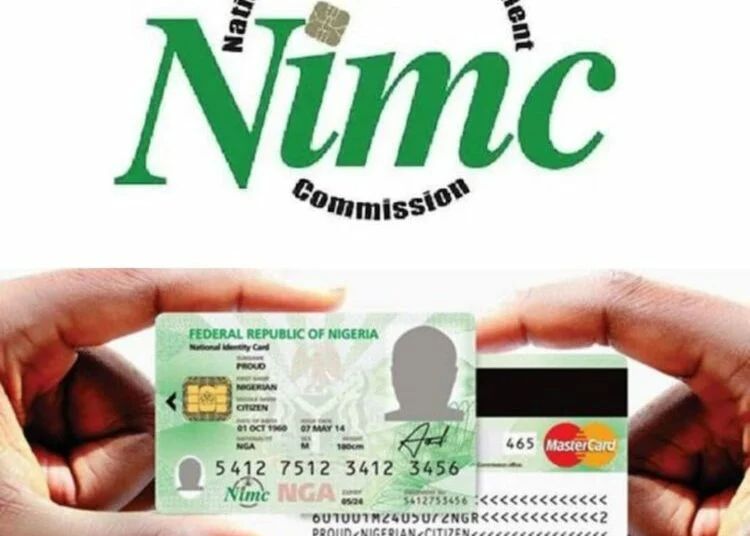
Nigeria has reached another significant milestone in its drive to establish a comprehensive national identity system, with the National Identity Management Commission (NIMC) announcing that the number of Nigerians enrolled in the National Identification Number (NIN) database has exceeded 136 million.
This achievement marks a major step in the Federal Government's ongoing efforts to build a robust digital identity ecosystem aimed at improving governance, expanding financial inclusion, enhancing national security, and streamlining access to public services.
The latest enrolment figures reflect the increasing acceptance of the National Identification Number as a critical requirement for accessing essential government and private sector services, including banking, telecommunications, passport applications, tax administration, healthcare, education, and social intervention programmes.
Digital Identity Reform Gains Momentum
The enrolment milestone comes as Nigeria embarks on a broader identity management overhaul designed to modernize the country's identity infrastructure and eliminate duplication across multiple government databases.
Authorities say the reforms are focused on creating a unified, secure, and verifiable identity system capable of supporting Nigeria's growing digital economy.
Over the past few years, the Federal Government has intensified efforts to integrate the National Identification Number with various public databases, including Bank Verification Numbers (BVN), voter records, passport information, driver's licenses, tax records, and SIM card registrations.
Officials believe that harmonizing these databases will reduce identity fraud, improve transparency in public administration, and make it easier for citizens to access government services.
Increased Enrolment Across the Country
The steady rise in enrolment has been driven by expanded registration centres across Nigeria, partnerships with licensed agents, and increased public awareness campaigns encouraging citizens and legal residents to obtain their NIN.
NIMC has also introduced digital self-service platforms to simplify the modification and verification of personal information, reducing the need for physical visits to enrolment centres.
The commission continues to target underserved communities through mobile enrolment initiatives aimed at reaching rural populations and individuals with limited access to registration facilities.
Experts say expanding enrolment remains critical, considering Nigeria's estimated population exceeds 220 million people.
Why the National Identity Database Matters
A reliable national identity database plays a central role in modern governance.
For Nigeria, the NIN serves as a unique identifier that enables government agencies and private institutions to verify identities quickly and accurately.
The system supports several national priorities, including:
- Improved national security through accurate identification.
- Better planning using reliable demographic data.
- Expanded financial inclusion by making it easier for citizens to open bank accounts and access digital financial services.
- Efficient delivery of social welfare programmes.
- Reduction in identity theft and fraud.
- Simplified access to government services.
As more services become digitized, experts say a secure identity system will become increasingly important for economic development and digital transformation.
Identity Overhaul Targets Service Delivery
The Federal Government has repeatedly described digital identity as one of the foundations of Nigeria's digital economy strategy.
By creating a single trusted identity for every resident, authorities hope to reduce bureaucracy, eliminate duplicate records, and improve service delivery across ministries, departments, and agencies.
The identity overhaul is also expected to support digital payments, tax administration, healthcare records, educational services, pension administration, and immigration processes.
Industry analysts note that an integrated identity ecosystem can significantly reduce administrative costs while improving efficiency in both the public and private sectors.
Challenges Remain
Despite the impressive enrolment figures, several challenges continue to affect nationwide registration.
Long queues at enrolment centres, limited registration equipment in some locations, network connectivity issues, and delays in updating personal records remain common complaints among applicants.
There are also concerns about ensuring adequate data protection and cybersecurity as Nigeria's identity database continues to expand.
Experts have stressed the importance of maintaining strong privacy safeguards, transparent data governance, and continuous investment in secure digital infrastructure to protect citizens' personal information.
Looking Ahead
With more than 136 million enrolments already recorded, NIMC is expected to continue expanding registration efforts to reach millions of Nigerians who are yet to obtain their National Identification Number.
The commission has consistently encouraged citizens to enrol and update their records where necessary to ensure accurate information within the national database.
As Nigeria deepens its digital transformation agenda, the success of the national identity programme will likely play a crucial role in determining how efficiently government services are delivered and how effectively citizens participate in the country's digital economy.
The latest milestone signals continued progress toward building a comprehensive identity management system capable of supporting economic growth, improving public service delivery, and strengthening trust in digital governance.
Although significant work remains to achieve universal enrolment, surpassing 136 million registrations represents one of the most substantial advancements in Nigeria's digital identity journey and underscores the government's commitment to establishing a modern, secure, and inclusive national identification system.