Nigerians React Angrily to Remi Tinubu's Akara and Roasted Corn Remarks Amid Economic Hardship
First Lady Oluremi Tinubu has come under intense criticism after suggesting Nigerians consider small businesses such as akara, roasted corn and kuli-kuli trading. While some defended her comments, many said they reflected the country's harsh economic realities.
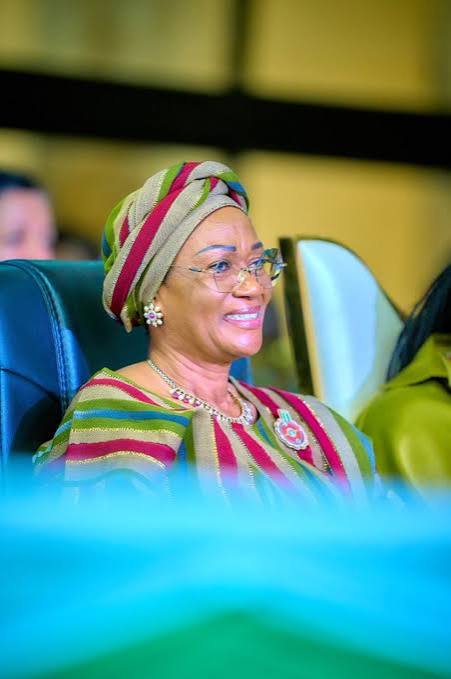
Nigeria's First Lady, Senator Oluremi Tinubu, has sparked a wave of criticism across social media after encouraging Nigerians to consider small-scale businesses such as selling akara (bean cakes), roasted corn and kuli-kuli as a means of earning a living.
The remarks, made while highlighting the Federal Government's economic empowerment efforts through the Renewed Hope Initiative (RHI), quickly went viral, drawing thousands of reactions from Nigerians who argued that the comments failed to reflect the economic realities confronting millions of citizens.
Speaking to State House correspondents after the second-quarter meeting of the Renewed Hope Initiative with the wives of state governors in Abuja, Mrs. Tinubu explained that the initiative focuses on providing grants not loans to vulnerable Nigerians to help them establish businesses.
"We're trying to give hope. To start akara business doesn't take a lot of money. To start roasting corn or kuli-kuli doesn't take much. We didn't give them a loan; we gave them a grant. We have encouraged Nigerians as best as we could," the First Lady said. She also highlighted her interventions in healthcare, agriculture, education and other social investment programmes. (Politics Nigeria)
Social Media Backlash
Within hours of the video circulating online, users on X (formerly Twitter), Facebook and other social media platforms began expressing frustration, with many describing the advice as insensitive at a time when inflation, unemployment and the rising cost of living continue to strain household incomes.
Several critics argued that while businesses such as selling akara and roasted corn are legitimate and honourable occupations, presenting them as a key solution to Nigeria's broader economic challenges appeared disconnected from the hardships facing many families.
Some users questioned whether rising food prices, transportation costs and the high cost of cooking fuel would still make such ventures as easy to start as suggested.
Others maintained that Nigerians were expecting policies capable of creating sustainable employment opportunities, expanding manufacturing and supporting small and medium-sized enterprises on a larger scale rather than encouraging informal trading alone. (Punch Newspapers)
Mixed Reactions Emerge
Although criticism dominated online conversations, not everyone rejected the First Lady's comments.
Some supporters argued that she was merely encouraging entrepreneurship and self-reliance, stressing that countless Nigerian families have built successful livelihoods through petty trading.
Others noted that the informal sector remains one of the largest employers in Nigeria and continues to sustain millions of households despite economic difficulties.
Supporters also pointed to the grant component of the Renewed Hope Initiative, saying the First Lady's emphasis was on empowering beneficiaries without burdening them with loan repayments. (InsightLinks)
Presidency Defends the Remarks
As criticism intensified, the Presidency defended Mrs. Tinubu's comments, insisting they had been misunderstood.
Special Adviser to the President on Media and Public Communications, Sunday Dare, said there was nothing wrong with encouraging Nigerians to embrace legitimate small businesses.
According to Dare, his own mother sold akara, bananas and oranges to sponsor his education, adding that the informal sector has remained a critical pillar of Nigeria's economy.
He argued that the First Lady's message was not intended to diminish Nigerians' aspirations but to encourage citizens to develop entrepreneurial skills regardless of the scale of the business.
"There is nothing wrong with that," Dare said, urging critics to focus on the broader message of self-reliance rather than the examples cited by the First Lady. (Politics Nigeria)
Economic Context Fuels Debate
Analysts say the strong public reaction reflects widespread economic frustration rather than opposition to small businesses themselves.
Nigeria has experienced persistent inflation, rising food prices and declining purchasing power in recent years, leading many citizens to express concerns about the increasing cost of basic necessities.
Against this backdrop, comments encouraging petty trading have often generated debate about whether government officials fully appreciate the financial pressures confronting ordinary Nigerians.
Economic observers note that even low-capital businesses now require higher startup costs due to increased prices of food items, cooking oil, charcoal, transportation and market levies.
They argue that while grants remain valuable for many beneficiaries, broader reforms aimed at improving productivity, reducing inflation and expanding employment opportunities are equally important.
Renewed Hope Initiative's Position
The Renewed Hope Initiative has implemented several intervention programmes since its launch, including grants for women entrepreneurs, scholarships, healthcare support, ICT training and agricultural assistance.
Mrs. Tinubu also highlighted previous donations amounting to billions of naira for tuberculosis treatment, breast cancer interventions and programmes targeting food malnutrition, saying the initiative remains committed to supporting vulnerable Nigerians through practical assistance rather than loans.
Debate Reflects Wider Public Sentiment
The controversy surrounding the First Lady's comments has once again demonstrated how economic issues dominate Nigeria's public discourse.
For many Nigerians, the debate extends beyond akara, roasted corn or kuli-kuli businesses to broader questions about job creation, economic opportunity and the government's response to rising living costs.
Political analysts believe the mixed reactions underscore the importance of public messaging, especially at a time when many households continue to grapple with inflation and reduced purchasing power.
Whether viewed as practical entrepreneurial advice or as an illustration of perceived disconnect from everyday realities, the remarks have reignited conversations about how best to empower citizens in one of Africa's largest economies.
As discussions continue online, the episode serves as another reminder of the sensitivity surrounding economic issues and the expectations Nigerians place on their leaders to offer solutions that resonate with the realities of daily life.