Nigerian Football in Mourning as Ex-Super Eagles Star Lawrence Orairo Dies 48 Hours After Henry Nwosu
Nigeria’s football community has been thrown into mourning again as former Super Eagles player Lawrence Orairo dies just 48 hours after the passing of 1980 AFCON winner Henry Nwosu. Here is what we know about the tragedy and its impact on Nigerian football.
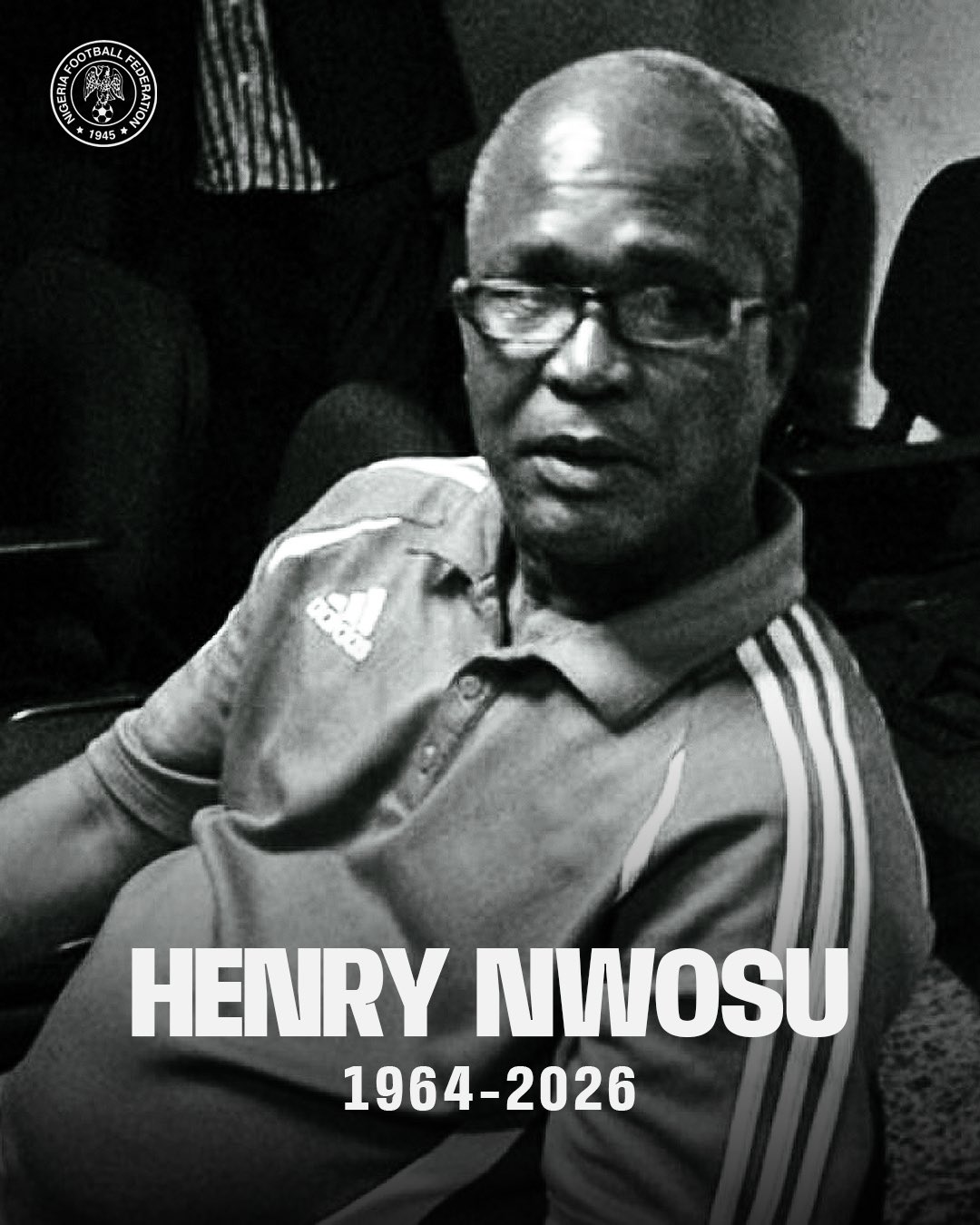
Nigeria’s football community has been plunged into fresh grief following the death of another former national team player, Lawrence Orairo, barely 48 hours after the passing of legendary midfielder Henry Nwosu.
The sudden loss of two former Green Eagles/Super Eagles players within days has shocked fans, former teammates, and sports administrators across the country, sparking tributes and renewed reflections on Nigeria’s football heritage.
The back-to-back tragedies have also underscored the vulnerability of retired athletes and highlighted the emotional toll the news has taken on Nigeria’s sporting community.
Lawrence Orairo’s Sudden Death
Reports indicate that Lawrence Orairo, a former Nigerian international footballer, died suddenly in Lagos after collapsing during a routine activity. According to available information, the former player reportedly slumped on Sunday morning while on a field in the Kirikiri area of Lagos State and was later confirmed dead.
The news of his passing was reportedly first shared within football circles by former Nigerian international Taiwo Oloyede, who announced the development on a WhatsApp platform. (ThisDayLive)
Although details surrounding the exact medical cause of death remain unclear at the time of reporting, the sudden nature of the incident has heightened the shock within Nigeria’s sports fraternity.
Orairo was remembered by colleagues and former teammates as a dedicated footballer who represented Nigeria during the era when the national team was still known as the Green Eagles, before it was later renamed the Super Eagles.
Death Comes Days After Henry Nwosu
Orairo’s passing is particularly painful because it occurred only two days after the death of Henry Nwosu, one of Nigeria’s most celebrated footballers.
Nwosu died on March 14, 2026, at the age of 62 after battling an illness and receiving treatment at the Lagos State University Teaching Hospital in Ikeja. (Punch Newspapers)
The former midfielder was widely regarded as one of the most talented players of his generation. He was the youngest member of Nigeria’s victorious 1980 Africa Cup of Nations squad, a historic tournament that marked Nigeria’s first continental triumph. (Wikipedia)
During his career, Nwosu represented Nigeria at several major competitions and later served as a coach and technical adviser to various teams.
His death had already sent shockwaves through Nigerian football, with tributes pouring in from the Nigeria Football Federation (NFF), former teammates, and fans across the country.
The announcement of Orairo’s passing so soon afterward has deepened the sense of loss within the football community.
A Connection Through Club Football
Another emotional dimension of the tragedy is that both Henry Nwosu and Lawrence Orairo shared ties to the historic New Nigerian Bank (NNB) Football Club of Benin City.
NNB FC, one of the prominent teams in Nigeria’s domestic league during the 1970s and 1980s, produced several notable players who later became national team stars.
The club’s roster during its peak years included notable football figures such as Bright Omokaro and the late Stephen Keshi, who later captained Nigeria and coached the national team to the 2013 Africa Cup of Nations victory.
The shared connection between Orairo and Nwosu through NNB FC has added a deeper sense of nostalgia and grief among supporters who remember that era of Nigerian football.
The Golden Generation of Nigerian Football
The era in which Orairo and Nwosu played was widely regarded as one of the defining periods in Nigeria’s football history.
The Green Eagles generation laid the foundation for the modern success of Nigerian football, including the country’s emergence as a continental powerhouse in the decades that followed.
The team’s triumph at the 1980 Africa Cup of Nations remains one of the most iconic moments in Nigerian sporting history, as the country defeated Algeria in the final at the National Stadium in Lagos.
Players from that generation were celebrated not only for their talent but also for their commitment to representing Nigeria during a time when professional opportunities and financial rewards were limited.
Tributes From the Football Community
Following the news of Orairo’s death, tributes have continued to pour in from former players, fans, and sports administrators.
Many have expressed sadness at the loss of two football heroes within such a short period, describing it as a painful moment for the nation’s sporting heritage.
Former teammates recalled Orairo as a humble and passionate footballer who contributed significantly to the growth of the game in Nigeria.
Supporters also took to social media to express their condolences, remembering the contributions of both Orairo and Nwosu to Nigerian football.
For many fans, the deaths represent not only the loss of two individuals but also the gradual passing of a generation that helped shape the identity of Nigerian football.
Concerns Over Welfare of Retired Athletes
The deaths have also reignited conversations about the welfare and healthcare support available to retired athletes in Nigeria.
Sports analysts have often argued that many former footballers face financial and medical challenges after retirement, especially those who played during earlier eras when the sport was not as commercially lucrative as it is today.
Advocates have called for stronger institutional support systems, including healthcare programs and pension schemes for retired athletes who contributed to the nation’s sporting success.
A Painful Moment for Nigerian Football
The back-to-back deaths of Henry Nwosu and Lawrence Orairo mark a deeply emotional period for Nigerian football.
While the exact circumstances surrounding Orairo’s death are still being clarified, the loss of two former national team players within such a short span has left the football community in mourning.
For many Nigerians, the moment serves as a reminder of the rich legacy of players who carried the country’s hopes on the football field and helped shape its sporting identity.
As tributes continue to pour in, both men will be remembered for their contributions to the game and for the role they played in building the foundation of Nigeria’s football tradition.