Nigeria Takes South Africa Xenophobia Crisis to AU, Demands Urgent Continental Action
President Bola Tinubu has asked the African Union to take urgent action over recurring xenophobic and Afrophobic attacks in South Africa, calling for stronger protection of Nigerians and other Africans.
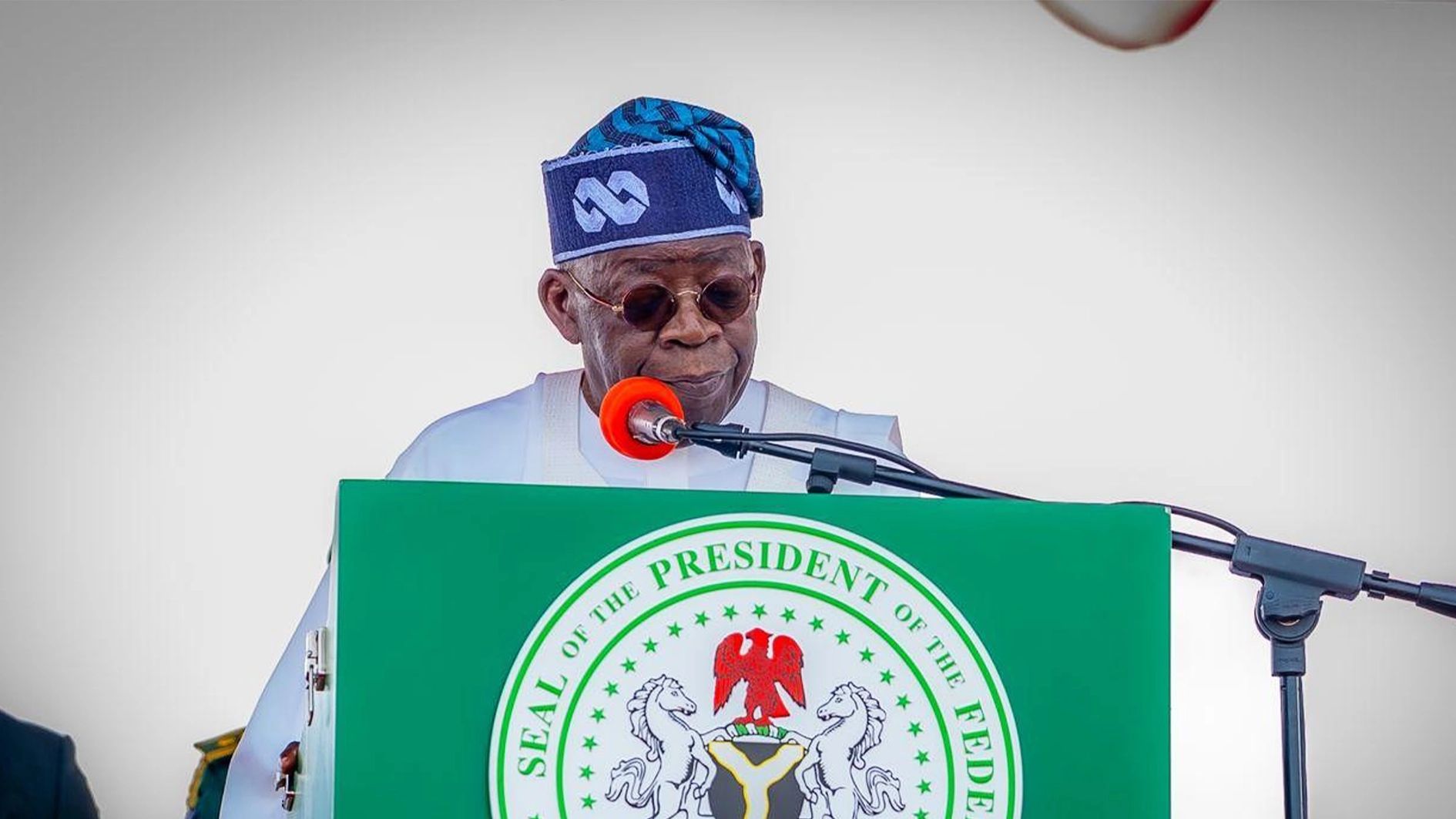
Nigeria has formally taken its concerns over recurring xenophobic and Afrophobic attacks in South Africa to the African Union (AU), calling for urgent continental action to protect the safety, dignity and rights of Nigerians and other African nationals.
President Bola Ahmed Tinubu made the demand through Vice President Kashim Shettima at the 21st Extraordinary Session of the Assembly of Heads of State and Government of the African Union in Luanda, Angola, on August 30, 2026.
Representing the President at the continental meeting, Shettima conveyed Nigeria's position that recurring attacks against Africans and other foreign nationals in South Africa undermine the principles of African solidarity, unity and peaceful coexistence.
Tinubu specifically asked the AU to place the issue on the agenda of its 40th Ordinary Session of the Assembly, scheduled for January 2027, for consideration and appropriate action by African leaders. (Channels Television)
The move represents a significant escalation of Nigeria's diplomatic response to the South African crisis, shifting the issue from bilateral discussions between Abuja and Pretoria to the wider continental stage.
Nigeria seeks collective African response
According to the Nigerian government, the problem should not be treated as a simple immigration dispute between South Africa and foreign nationals.
Tinubu's administration argues that attacks directed at Africans in South Africa raise broader questions about continental solidarity and the protection of African citizens wherever they live and work.
The President acknowledged South Africa's sovereign right to enforce its immigration laws, but stressed that enforcement should not result in violence, intimidation or discrimination against other Africans.
Nigeria is therefore asking the AU to consider the issue collectively and develop an appropriate continental response.
The request comes after months of concern over attacks and threats involving Nigerians and other foreign nationals in South Africa.
Federal Government had earlier condemned attacks
The AU intervention follows earlier warnings from Nigeria's Federal Government.
In July, the government condemned the killing of two Nigerian nationals in South Africa and expressed concern about what it described as the targeting of foreigners.
One of the victims, Emeka Charles Iroegbu, was reportedly killed by Tshwane Metro Police officers in Pretoria on June 28. Another Nigerian, Musa Yunana Joe, popularly known as Big Joe, was killed outside his shop in Witbank, Mpumalanga, on the same day. (FMINFO)
The Nigerian government said the incidents occurred against the backdrop of growing hostility towards foreigners and called for appropriate investigations.
The cases added to longstanding concerns about the safety of Nigerians living and doing business in South Africa.
Nigeria calls attacks “Afrophobic”
The government's language has also evolved.
Speaking at a virtual roundtable organised by the Nigerian Institute of International Affairs, Minister of State for Foreign Affairs Ambassador Sola Enikanolaiye argued that the term “Afrophobia” more accurately captures the character of some of the violence than the broader word “xenophobia.”
He described the attacks as having a particularly African, post-colonial and post-apartheid dimension.
The minister also expressed concern that citizens of African countries that supported South Africa during its struggle against apartheid could now be treated as unwanted outsiders. (Punch)
Nigeria has consequently urged South Africa to take concrete measures to protect African migrants while addressing legitimate concerns over irregular migration.
South Africa faces wider migration tensions
The controversy is not limited to Nigerians.
South Africa has experienced growing domestic tensions over undocumented migration, with migrant communities from several African countries facing protests, threats and pressure for deportation.
The South African government has been dealing with demands for tougher immigration enforcement while simultaneously facing criticism over violence against migrants.
Recent reports indicate that tens of thousands of migrants, particularly from Malawi, Zimbabwe and Mozambique, were repatriated or deported between June and July 2026. (AP News)
Pretoria has also argued for broader continental discussions about migration, including the economic and social factors that drive irregular migration.
The South African government has been seeking to shift the discussion towards the “push-and-pull” factors behind migration and greater cooperation between African countries.
Bilateral diplomacy already underway
Nigeria's decision to approach the AU does not mean bilateral diplomatic channels with South Africa have been abandoned.
The two countries have already discussed ways to reduce tensions.
In July, South African International Relations and Cooperation Minister Ronald Lamola travelled to Abuja as a special envoy of President Cyril Ramaphosa.
According to the South African government, Lamola held discussions with Nigerian officials on migration, governance, regional security and broader bilateral relations.
The talks were described as candid and constructive, with both sides expressing a desire to restore goodwill between the two countries. (Government of South Africa)
The AU initiative could therefore complement rather than replace bilateral engagement.
Nigeria wants stronger protection for citizens
For Abuja, one of the central concerns is the protection of Nigerians living and working in South Africa.
Nigeria has one of Africa's largest diasporas, with Nigerians involved in business, education, professional services and other economic activities in South Africa.
The safety of these citizens has repeatedly become a diplomatic issue whenever violence against foreign nationals occurs.
In July, Nigeria's Senate also called on the Federal Government to secure written assurances from South Africa on the safety of Nigerians.
Lawmakers urged South African authorities to arrest and prosecute individuals responsible for attacks, intimidation and destruction of Nigerian-owned businesses. (Voice of Nigeria)
The Senate's position reflects growing pressure within Nigeria for stronger guarantees from Pretoria.
Risk of retaliatory tensions
Another concern is the possibility that attacks against Nigerians could trigger retaliatory action against South African citizens or businesses in Nigeria.
The Nigeria Police Force previously warned Nigerians against reprisal attacks following reports of xenophobic incidents in South Africa.
The police said Nigerian authorities were engaging South African officials through diplomatic, intelligence and security channels to resolve the situation peacefully. (incb.police.gov.ng)
This is particularly important given the extensive economic ties between Nigeria and South Africa.
South African companies have significant investments in Nigeria, while Nigerian businesses and citizens maintain a substantial presence in South Africa.
A deterioration in bilateral relations could therefore have consequences beyond the immediate security concerns.
Why the AU intervention matters
Taking the matter to the AU allows Nigeria to frame the crisis as a continental issue rather than simply a Nigeria-South Africa dispute.
The AU was established partly to promote African unity, peace, security and cooperation.
Nigeria argues that violence against Africans by other Africans undermines those objectives.
By requesting that the matter be formally discussed at the January 2027 AU Assembly, Abuja is seeking to ensure that the issue remains on the continental agenda.
The proposed discussion could potentially address migration management, law enforcement, protection of foreign nationals, economic integration and mechanisms for preventing xenophobic violence.
Balancing migration control with human rights
The central challenge for South Africa is balancing its right to enforce immigration laws with its obligations to protect people from violence and discrimination.
Nigeria has acknowledged South Africa's right to regulate migration but insists that immigration enforcement must be conducted within the law.
That distinction could become central to any AU discussion.
African countries are increasingly facing complex migration pressures caused by economic hardship, insecurity, unemployment and political instability.
Without coordinated policies, tensions between host communities and migrants could continue to grow.
What happens next?
President Tinubu's request now puts the South African xenophobia issue firmly on the AU's political radar.
The key question will be whether African leaders agree to place the matter formally on the agenda of the 40th Ordinary Session of the AU Assembly in January 2027 and, more importantly, whether they develop concrete measures in response.
For Nigeria, the objective is clear: protect its citizens, discourage xenophobic violence and ensure that African integration does not come at the expense of the safety and dignity of Africans living outside their home countries.
The dispute also presents an opportunity for Nigeria and South Africa to address the deeper causes of their recurring tensions.
With both countries among Africa's largest economies and most influential political powers, prolonged hostility would have consequences for the wider continent.
For now, Nigeria is asking the AU to move beyond condemnation and help establish a collective African framework for protecting migrants and preventing Afrophobic violence.
Whether that call produces meaningful action could determine the next phase of Nigeria-South Africa relations and shape how the continent responds to migration and xenophobia in the years ahead.