Nigeria’s Supreme Court and the Burden of Controversial Judgements
An in-depth review of controversial Supreme Court judgements in Nigeria, including the removal of former Rivers State Governor Sir Celestine Omehia, disputed election rulings, and concerns over ambiguous verdicts that fuel political speculation.
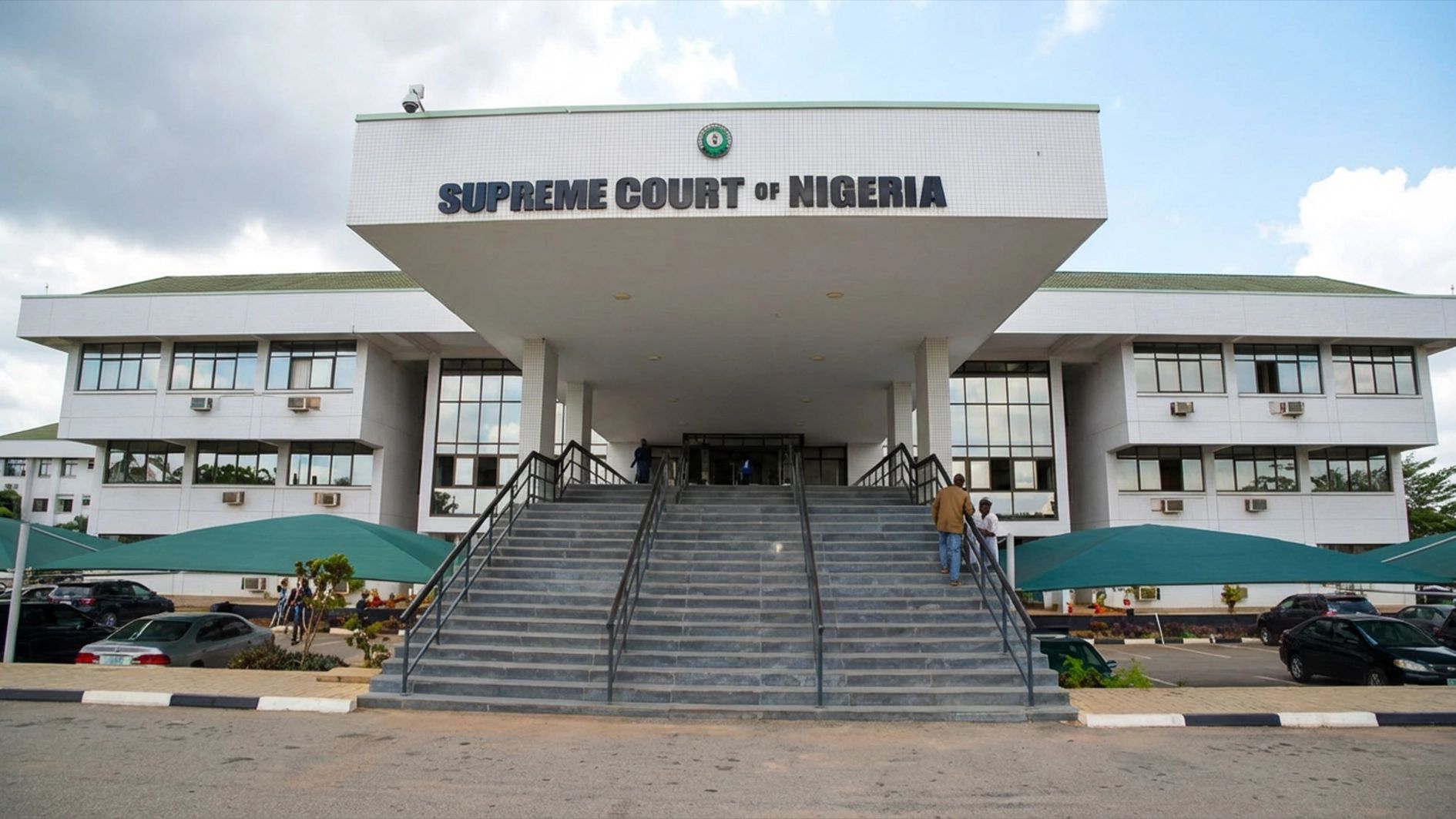
The Supreme Court of Nigeria occupies a sacred position in the nation’s democracy. As the apex court and final interpreter of the Constitution, its rulings are expected to settle disputes conclusively, preserve justice, and strengthen public confidence in the rule of law. Yet, over the years, several controversial judgements have left Nigerians divided, with many questioning whether some verdicts truly reflect justice or merely technical interpretations of the law.
From governorship disputes to presidential election petitions, the Supreme Court has repeatedly found itself at the center of national controversies. While defenders of the judiciary argue that judges can only interpret laws based on evidence presented before them, critics maintain that some rulings have created confusion, political instability, and growing public distrust.
One of the earliest and most controversial political judgements delivered by the Supreme Court was the 2007 removal of former Rivers State Governor Sir Celestine Omehia. Omehia had served for only a few months as governor before the apex court ruled that he was never the lawful candidate of the Peoples Democratic Party (PDP) in the first place. The court held that Rotimi Amaechi, who had won the PDP primaries but whose name was allegedly substituted before the election, was the rightful candidate and therefore should be declared governor.
The judgement stunned many Nigerians because Amaechi did not participate directly in the governorship election, yet he was sworn in as governor through judicial pronouncement. For critics, the ruling represented one of the strongest examples of judicial activism in Nigeria’s democratic history. Supporters, however, argued that the court merely protected the sanctity of party primaries and affirmed that political parties could not arbitrarily substitute candidates after valid primaries had been conducted.
Years later, the judgement remains one of the most debated in Nigerian legal and political circles. It also laid the foundation for future election cases in which courts increasingly became decisive players in determining electoral outcomes.
Another judgement that generated nationwide controversy was the 2020 Imo State governorship ruling involving Hope Uzodinma and Emeka Ihedioha. The Supreme Court overturned Ihedioha’s victory after recognizing additional results from polling units previously excluded from the final tally. Uzodinma, who had initially placed fourth in the election results announced by the Independent National Electoral Commission (INEC), was subsequently declared governor.
The verdict triggered outrage across the country. Many Nigerians struggled to understand how a candidate originally declared fourth could emerge victorious through judicial interpretation. Lawyers, political commentators, and civil society organizations questioned both the mathematical and legal foundations of the ruling. Though the Supreme Court insisted that its decision was based strictly on evidence before it, public skepticism persisted.
The controversy surrounding such cases has fueled broader concerns about the increasing judicialization of politics in Nigeria. Elections are no longer seen as ending at the ballot box; rather, many political observers believe the final battleground has shifted to the courtroom.
Beyond the substance of some judgements, another recurring criticism of the Supreme Court involves the pattern and wording of certain rulings. In many politically sensitive cases, the apex court’s pronouncements are sometimes viewed as open-ended, technical, or lacking sufficient clarity. This has occasionally created room for competing interpretations by political actors.
In several election disputes and constitutional matters, parties often leave the courtroom claiming victory, even when the judgement itself appears complex or narrowly interpreted. Such situations have fueled public speculation, confusion, and accusations that influential political actors exploit ambiguities in judicial language to shape public narratives in their favor.
Critics argue that the Supreme Court, as the nation’s highest court, should deliver judgements that are not only legally sound but also sufficiently clear to ordinary citizens. When verdicts appear vague or excessively technical, they risk undermining public confidence in the judiciary. In politically charged environments like Nigeria, ambiguous decisions can deepen tensions and encourage propaganda from rival camps.
A recurring example is seen in post-election litigation, where court rulings sometimes focus heavily on procedural technicalities rather than broader questions of electoral fairness. While lawyers may understand the legal reasoning, ordinary Nigerians often struggle to reconcile judicial outcomes with their understanding of democratic justice. This disconnect has widened the gap between legal legitimacy and public acceptance.
The Supreme Court’s handling of the 2023 presidential election petitions also reflected this divide. Opposition candidates Atiku Abubakar and Peter Obi challenged the declaration of President Bola Tinubu as winner of the election, citing allegations of irregularities and constitutional breaches. The Supreme Court dismissed the petitions, affirming Tinubu’s election.
Although the judgement followed constitutional procedures, reactions across the country revealed deep public polarization. Supporters of the ruling praised the court for defending constitutional order, while critics argued that the judgement failed to sufficiently address concerns surrounding electoral transparency and electronic transmission of results.
Still, legal scholars caution against reducing every controversial judgement to political conspiracy. Courts are bound by legal principles, evidence, and procedural rules. Judges do not necessarily decide cases based on public emotions or popular opinion. However, many observers insist that the judiciary must also recognize the importance of public perception in sustaining democratic credibility.
The challenge facing Nigeria’s Supreme Court today goes beyond legal interpretation. It is also about communication, transparency, and trust. In a democracy where political tensions are often high, the judiciary carries the enormous responsibility of ensuring that justice is not only done but clearly understood by the public.
As Nigeria’s democracy evolves, the Supreme Court will continue to play a defining role in shaping governance and constitutional order. Yet, for many Nigerians, the credibility of the judiciary will increasingly depend on its ability to deliver judgements that are not only constitutionally defensible but also clear, consistent, and capable of inspiring public confidence rather than suspicion.
Source Links