Nigeria’s Poverty Crisis Deepens: World Bank Reports 63% Living Below Poverty Line Despite Falling Inflation
The World Bank reveals that 63% of Nigerians now live in poverty despite easing inflation. Here’s what it means for economic recovery, inequality, and policy direction.
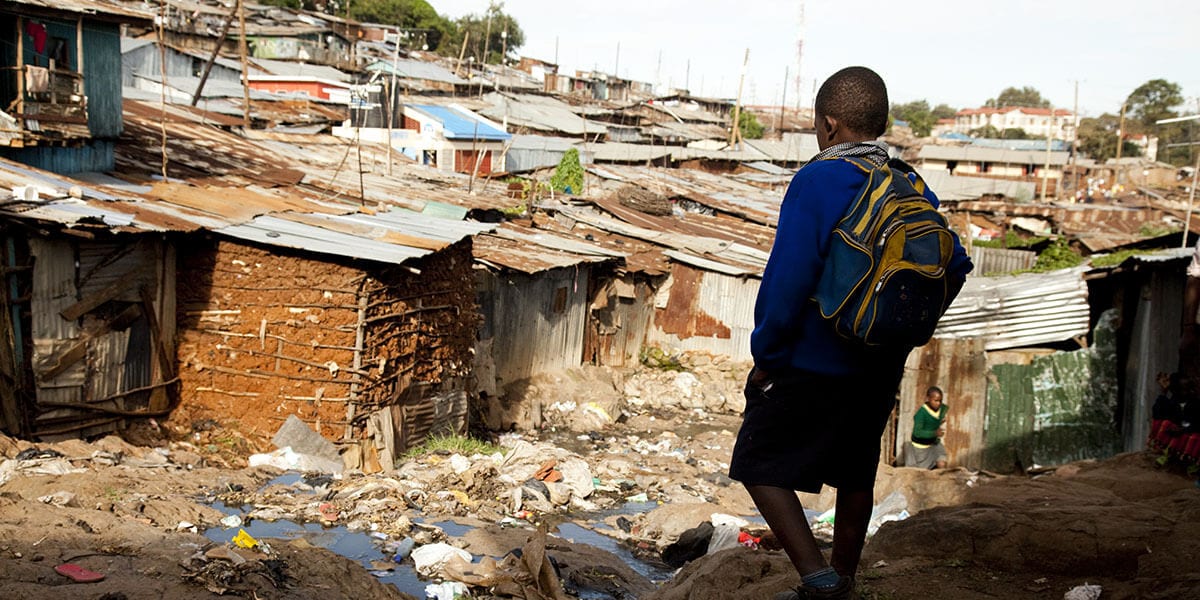
Nigeria’s economic paradox has taken a troubling turn. Even as inflation shows signs of easing, poverty levels have surged dramatically. According to the World Bank, an estimated 63% of Nigerians now live below the poverty line, an alarming statistic that underscores the disconnect between macroeconomic indicators and real-life conditions.
This development raises urgent questions about the effectiveness of current economic reforms and the lived realities of millions of citizens struggling to make ends meet.
The World Bank’s Findings
In its latest economic update on Nigeria, the World Bank highlighted a sharp increase in poverty levels, attributing it to a combination of inflationary pressures, currency depreciation, and structural economic challenges.
While inflation, particularly food inflation has shown slight moderation in recent months, the damage inflicted over the past two years has already eroded purchasing power across households.
The report emphasizes that the benefits of declining inflation are yet to be felt by a majority of Nigerians, especially those in low-income brackets.
The Inflation-Poverty Disconnect
At first glance, easing inflation should signal relief for citizens. However, in Nigeria’s case, the situation is more complex.
Prices of essential goods and services remain significantly higher than they were prior to the recent economic shocks. Even if inflation slows, it does not mean prices are falling—it simply means they are rising at a slower pace.
For millions of Nigerians, this distinction is critical. The cost of food, transportation, housing, and healthcare remains prohibitively high, making it difficult for households to recover from earlier price surges.
Key Drivers of Rising Poverty
Several factors have contributed to the rise in poverty levels:
1. Currency Devaluation
The naira’s depreciation has significantly increased the cost of imported goods and raw materials. This has had a ripple effect across the economy, driving up production costs and consumer prices.
2. Fuel Subsidy Removal
The removal of fuel subsidies, while intended to stabilize government finances, has led to higher transportation and energy costs. These increases have disproportionately affected low-income households.
3. Weak Job Creation
Despite policy reforms, job creation has not kept pace with population growth. Many Nigerians remain unemployed or underemployed, limiting their ability to cope with rising living costs.
4. Structural Inequality
Economic growth in Nigeria has historically been uneven, with wealth concentrated in certain sectors and regions. This inequality has deepened the impact of economic shocks on vulnerable populations.
Human Impact: The Reality on the Ground
Behind the statistics are real people facing daily hardship. Families are cutting back on meals, children are dropping out of school, and healthcare has become increasingly inaccessible for many.
Urban and rural communities alike are feeling the strain. In cities, the cost of living has skyrocketed, while in rural areas, limited access to economic opportunities continues to trap people in poverty.
The 63% poverty rate is not just a number, it represents a humanitarian challenge that demands urgent attention.
Government Response and Policy Questions
The administration of Bola Ahmed Tinubu has implemented several economic reforms aimed at stabilizing the economy, including exchange rate unification and subsidy removal.
While these policies are widely seen as necessary for long-term growth, their short-term impact has been painful.
The government has introduced palliative measures, such as cash transfers and food distribution programs, to cushion the effects. However, critics argue that these interventions have been insufficient and poorly targeted.
The key question remains: how can Nigeria balance economic reforms with social protection to prevent further deterioration in living standards?
Implications for Economic Stability
The rising poverty rate poses significant risks to Nigeria’s economic and social stability.
High levels of poverty can lead to increased crime, social unrest, and political dissatisfaction. They can also undermine economic growth by reducing consumer spending and limiting human capital development.
For investors, persistent poverty signals structural weaknesses in the economy, potentially affecting confidence and long-term investment decisions.
The Way Forward
Addressing Nigeria’s poverty crisis will require a multi-faceted approach:
Targeted Social Protection: Expanding and improving welfare programs to reach the most vulnerable populations.
Job Creation: Investing in sectors with high employment potential, such as agriculture, manufacturing, and technology.
Economic Diversification: Reducing reliance on oil and promoting other sectors of the economy.
Education and Skills Development: Equipping citizens with the skills needed to participate in a modern economy.
Inflation Control: Sustaining efforts to stabilize prices while ensuring that gains translate into real relief for households.
Conclusion
The World Bank’s report that 63% of Nigerians live in poverty, despite easing inflation, is a stark reminder that economic recovery is not just about numbers, it is about people.
While recent reforms may lay the groundwork for long-term stability, their success will ultimately be judged by their impact on the lives of ordinary Nigerians.
For now, the challenge is clear: Nigeria must find a way to turn economic stabilization into inclusive growth that lifts millions out of poverty.