Nigeria’s Petrol Price Dilemma: Why Marketers Resist Cutting Below Dangote’s N739/Litre Benchmark
Despite Dangote Refinery’s petrol price cut to ₦739 per litre, many Nigerian marketers are holding out at ₦740–₦800+, citing logistics and market pressures. This has major implications for consumers, competition, and energy markets across Nigeria and West Africa as fuel pricing battles deepen and regional fuel stability becomes more critical.
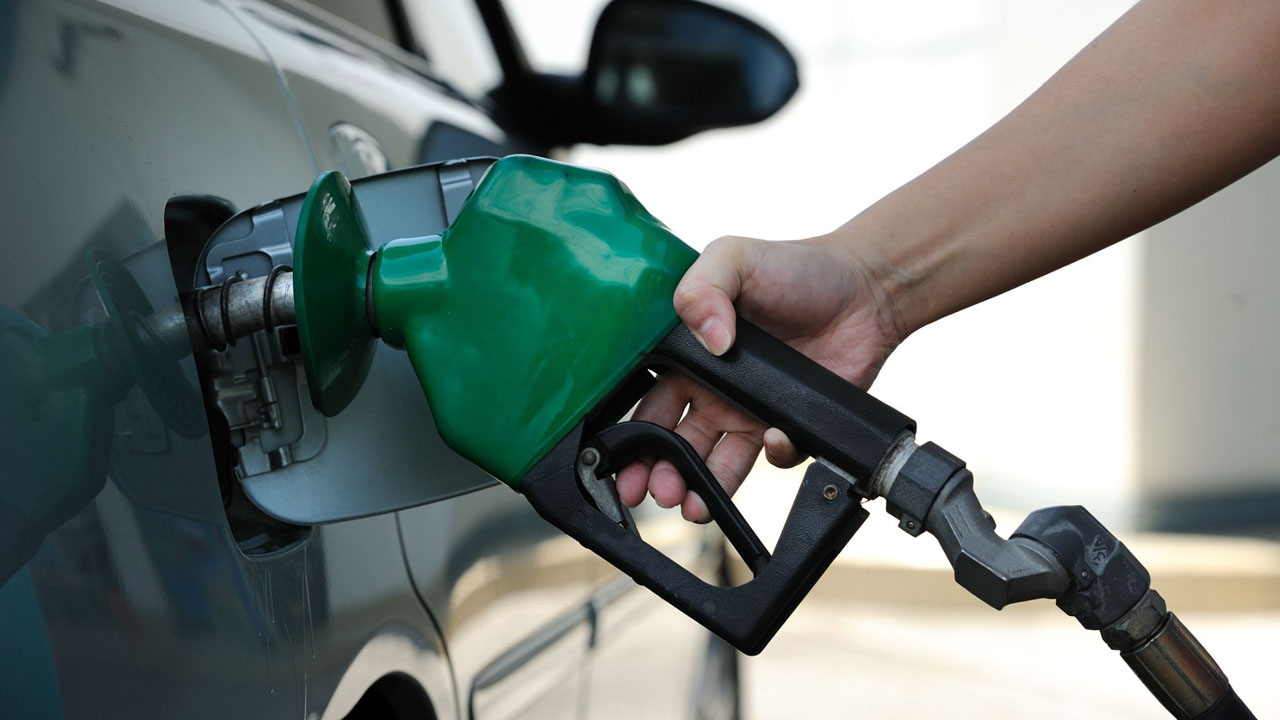
In recent months, Nigeria’s downstream petroleum sector has been caught in an intense pricing battle. When the Dangote Petroleum Refinery sharply reduced petrol prices to ₦739 per litre in December 2025, expectations soared that Nigerian motorists would instantly feel relief at the pump. (Independent Newspaper Nigeria)
However, the reality on the ground has been more complex. While some stations quickly adopted the lower price, many independent marketers continue to sell petrol at between ₦740 and ₦800 per litre or more. From urban centres to remote corners of the country, resistance to lowering prices below the Dangote benchmark persists - despite the competitive pressure. (MSME Africa)
For many marketers, the answer lies in operational costs and logistical realities. Transporting fuel across Nigeria’s challenging terrain - particularly to outlets on the outskirts of major cities - increases cost burdens. These additional expenses factor into retailers’ pricing decisions, meaning that passing along the full benefit of Dangote’s price cut isn’t always feasible without risking financial losses.
Recent industry warnings highlight that petrol stations refusing to sell at or near ₦739 per litre risk losing customers, especially amid accumulating bank charges and competition from cheaper outlets. (consumerconnectng.com)
What’s Driving the Resistance Among Marketers?
Here are a few factors driving the resistance among marketers
1. Logistics and Distribution Costs: Independent marketers, especially those in underserved regions, bear high costs transporting fuel long distances from depots to retail stations. These costs - from haulage fees, vehicle maintenance, and storage - make it difficult to align with Dangote’s lower price without eroding profit margins.
2. Competition and Market Dynamics: The downstream sector in Nigeria has been described as entering a price war, where some depots and retailers are even selling below the official Dangote benchmark to attract buyers. This dynamic creates uneven pricing structures across regions. (Reuben Abati)
In some cases, multiple outlets within the same town are offering petrol at slightly different prices - as low as ₦735–₦738 per litre - intensifying competition for motorists seeking the cheapest option. (Brand Icon)
Economic and Consumer Implications for Nigerians
👉 Impact on Cost of Living: Petrol prices directly influence transportation costs, agricultural input prices, and the cost of goods and services nationwide. Higher petrol prices can raise transportation costs for commuters and logistics firms, which often translate into higher prices for consumer goods and inflationary pressures. Even small barriers to achieving a uniform low petrol price ripple through household budgets and staple commodity pricing.
👉 Uneven Price Benefits Across Regions: While major urban centres may see some price reductions at select outlets, rural and remote areas are less likely to benefit quickly from moves toward lower petrol costs. This disparity amplifies regional inequalities and can dampen local economic activity.
👉 Confidence in the Petroleum Market: The lingering resistance among marketers undermines some consumer confidence in a fully competitive, deregulated petroleum market. Many Nigerians hoped that the Dangote Refinery would finally end decades of volatile diesel imports and skewed pricing, but inconsistent retail pricing underscores ongoing challenges. (The Nigerian Inquirer)
Broader Implications for the Nigerian Economy
Market Structure and Downstream Reform: Dangote’s pricing strategies have spotlighted weaknesses in Nigeria’s deregulated downstream petroleum market. Experts argue that reliance on a single major refinery risks volatility if operational or pricing decisions are made without broader sector coordination.
Nigeria’s long-standing struggle with price instability, previously tied to imports and foreign exchange fluctuations, may be mitigated by domestic refining. Yet unless more refineries come online - and logistical bottlenecks ease - consistent affordability will remain elusive. (Danco Group)
Import Patterns and Market Control: Recent reports show tensions in supply agreements between Dangote and some marketers, which in turn coincided with spikes in petrol import volumes late last year. This suggests that where local supply agreements falter, import dependency can rapidly resurface - with costs borne by consumers and currency reserves. (The Star)
Regional Impact Across West Africa and the Continent
1. Nigeria’s downstream struggles are not contained within its borders. As West African regulators move toward fuel price harmonisation and regional market stability, pricing dynamics in Nigeria carry potential knock-on effects for neighbouring economies. (Trends Africa)
2. Cross-Border Trade and Smuggling Risks: Price differentials between countries may incentivise cross-border fuel flows - both legal and illicit. Countries with higher domestic petrol prices may attract smuggled fuel from Nigeria if cheaper supplies become available, complicating enforcement and regional market balance.
3. Dependence on Local Refining Capacity: Nigeria’s move toward domestic refining is one of Africa’s most ambitious attempts to end import reliance. Success could reduce continental dependence on imported refined products and support energy security efforts across the region. However, the current marketing and pricing friction shows that real-world implementation remains complex. (Business Insider Africa)
4. Investment and Confidence Signals: How quickly and effectively Nigeria stabilises downstream prices and supply logistics will send strong signals to regional and foreign investors. A functional domestic refining and competitive retail sector could attract capital into upstream and midstream expansions, benefiting the wider African oil and gas industry.
Conclusion: More Than Just Price Tags
The struggle over petrol pricing in Nigeria reflects deeper structural and competitive issues in a deregulated energy market transitioning from import dependence to local refining. While the Dangote Petroleum Refinery’s price discount sets a new benchmark, achieving uniform lower retail prices nationwide continues to face resistance driven by cost structures, logistics challenges, and competitive pressures.
For Nigerians, the implications are daily and tangible - affecting transportation costs, inflation, and household budgets. Regionally, this battle shapes perceptions of West Africa’s fuel market stability and the continent’s broader energy security ambitions.
If Nigeria can address these pricing disparities and distribution inefficiencies while encouraging broader refinery participation, the country - and possibly West Africa - might finally realise consistent petrol affordability and enhanced energy autonomy.