Nigeria’s Cash Transfer Plan Targets 15 Million Households - Questions Rise Over Scope, Transparency and Long-Term Impact
Nigeria’s Federal Government says 15 million households are listed for conditional cash support under a World Bank-backed programme. Here’s how the National Social Register works, what it means for 70 million vulnerable Nigerians, and the key policy implications.
Nigeria’s social protection strategy is entering a new phase as the Federal Government of Nigeria confirms that about 15 million vulnerable households have been captured in a Benefit Register for conditional cash assistance.
The programme, implemented in partnership with the World Bank, is designed as a “shock response” to cushion economic hardship triggered by ongoing reforms, inflation, and broader macroeconomic pressures.
However, government officials have clarified that not all households listed in the broader National Social Register (NSR) will receive payments - a distinction that is already generating debate about coverage, expectations, and transparency.
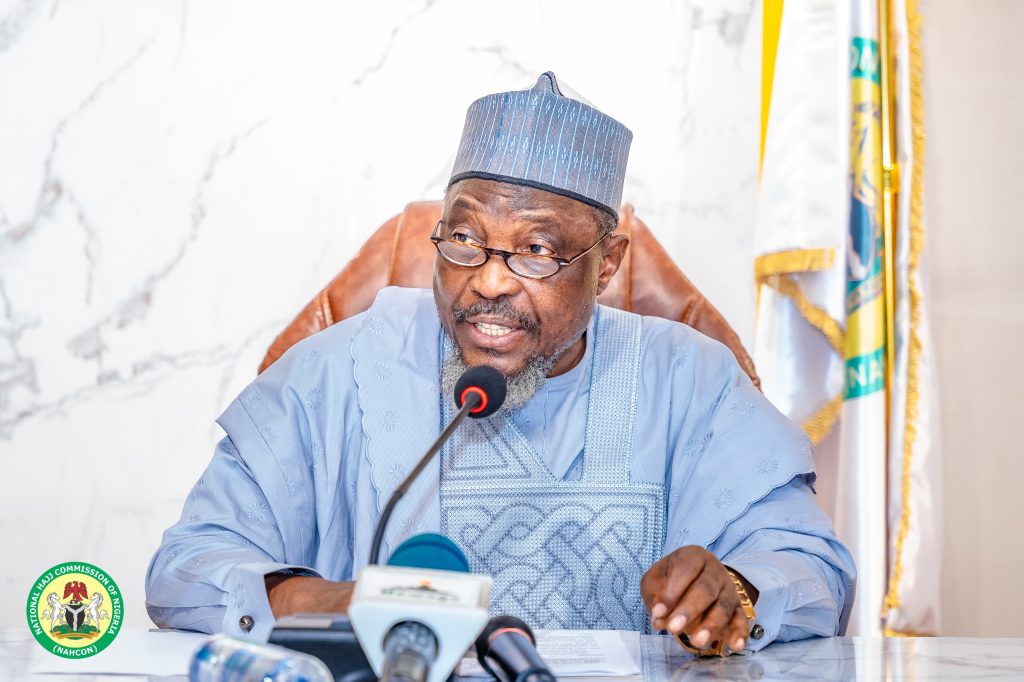
The Minister of Humanitarian Affairs and Poverty Reduction, Dr Bernard Doro, disclosed the figures during an interview on Arise Television, explaining that the Benefit Register is a subset of the larger social database.
17.9 Million Households Identified - But Only 15 Million Targeted
According to the minister, Nigeria’s National Social Register currently contains 17.9 million vulnerable households, representing roughly 70 million individuals across the country.
But only around 15 million households fall under the Benefit Register, which determines eligibility for the conditional cash transfer scheme.
“We are currently offering conditional cash assistance in conjunction with the World Bank, but this money is meant as a shock response,” Doro said.
“Not everyone within the 17.9 million households in the register is in the Benefit Register.”
This means that while millions of Nigerians are officially categorized as vulnerable, a smaller group is eligible for direct financial support under the current programme.
A Temporary Relief - Not a Universal Safety Net
Government officials insist the cash transfer initiative is not intended to be a permanent or universal welfare scheme. Instead, it is framed as a temporary intervention aimed at mitigating economic shocks affecting low-income families.
Nigeria has witnessed rising living costs, food inflation, and income pressures in recent years, placing a significant strain on household budgets. The conditional cash programme seeks to stabilize consumption levels and provide short-term relief.
Yet policy analysts argue that while emergency transfers may ease immediate hardship, they do not address structural issues such as unemployment, productivity challenges, and economic diversification.
How the National Social Register Works
The National Social Register is built through community-based targeting and socio-economic assessments. Local communities help identify households considered to be among the “poorest of the poor.”
Government officials then conduct validation exercises, including home visits and data verification, to confirm eligibility.
According to the minister, “Communities will guide us based on the criteria we have to identify who is poor amongst them. We validate these when we visit homes and assess living conditions.”
This localized identification method is designed to enhance credibility and grassroots participation. However, it also raises questions about consistency, possible bias, and the need for robust oversight.
The Bigger Data Picture: 70 Million Vulnerable Nigerians
The 17.9 million households recorded in the register translate to roughly 70 million individuals classified as vulnerable.
For a country with a population exceeding 200 million, this statistic underscores the scale of economic fragility within Nigeria. The government says it intends to continue expanding the National Social Register to ensure broader inclusion. Officials describe the register as a foundational tool for future social interventions beyond cash transfers.
“Our desire is to ensure that every Nigerian is captured,” Doro stated, noting that programme targeting depends on the specific objectives of each intervention.
Policy Implications
1. Social Protection Reform: The partnership with the World Bank reflects Nigeria’s attempt to align its social safety net with international best practices. Structured cash transfer systems have been shown globally to reduce extreme poverty when properly monitored.
However, implementation efficiency and transparency will determine long-term credibility.
2. Managing Public Expectations: A key challenge lies in managing expectations. Millions listed in the National Social Register may assume automatic qualification for financial assistance.
Clear communication is essential to prevent public dissatisfaction, particularly in communities facing severe hardship.
3. Fiscal Sustainability: Cash transfer programmes require consistent funding. With Nigeria facing fiscal constraints, sustaining large-scale payments to 15 million households could strain public finances if not carefully managed.
Economic analysts argue that social assistance must be paired with job creation, small business support, and productivity reforms to avoid dependency cycles.
4. Governance and Transparency: Given Nigeria’s history of public skepticism toward government programmes, maintaining a transparent Benefit Register will be critical.
Digital payment systems, independent audits, and public reporting mechanisms may help strengthen accountability.
Beyond Cash: The Long-Term Question
While the government frames the initiative as shock-responsive, experts emphasize that poverty reduction requires a multi-dimensional approach.
Cash transfers can temporarily protect households from extreme deprivation, but they do not substitute for:
- Employment generation
- Skills development
- Agricultural modernization
- Economic diversification
Without broader economic expansion, vulnerability levels may persist despite social spending.
A Crossroads for Nigeria’s Social Policy
The decision to target 15 million households highlights the Federal Government’s recognition of widespread economic vulnerability.
Yet it also reveals the magnitude of Nigeria’s poverty challenge: if 70 million individuals are categorized as vulnerable, the scale of intervention required goes far beyond temporary cash relief.
The coming months will test whether the programme delivers measurable impact, maintains transparency, and integrates with broader economic reforms.
For millions of Nigerian households navigating rising living costs, the stakes are high, and so is the scrutiny.