Nigeria Rejects U.S. Religious Freedom Concern
Nigeria rejects U.S. religious freedom concerns amid global debate. What this means for the Nigerian diaspora, Africa’s sovereignty, and international perception.
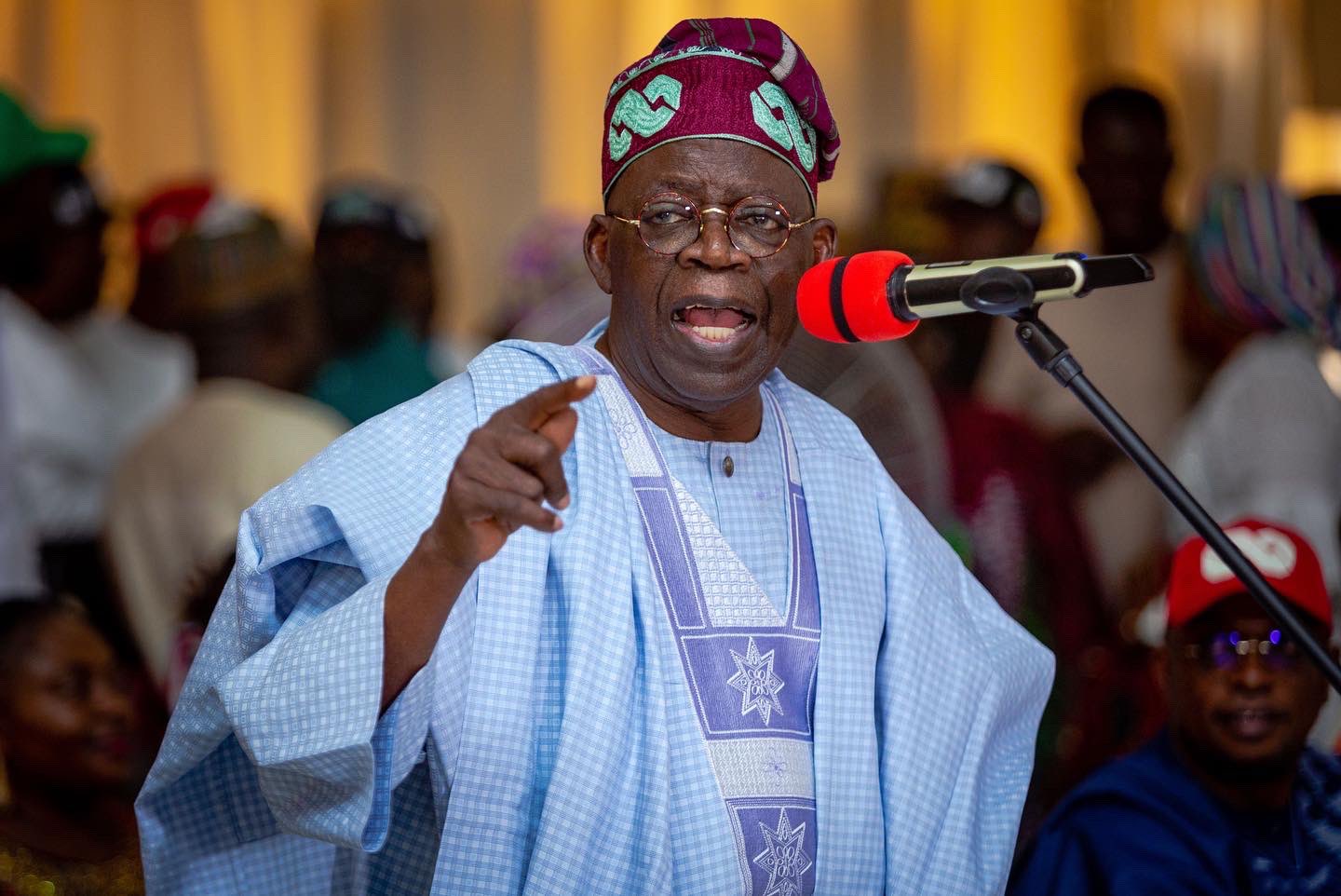
When U.S. President Donald Trump reignited claims of religious persecution in Nigeria - labeling it a “country of particular concern” - he didn’t just spark a diplomatic rebuttal. He reopened a global conversation about how Nigeria is viewed abroad, how Nigerians in the diaspora are treated in foreign societies, and how African nations must assert their own narrative on human rights and religious coexistence.
For the estimated 17+ million Nigerians living outside the country, such statements have real consequences - shaping stereotypes, diplomatic policies, and cultural identity far from home.
Nigeria’s Position: A Defense Rooted in Sovereignty and Unity
Responding firmly, the Federal Government - through the Ministry of Foreign Affairs spokesperson Mr. Kimiebi Imomotimi Ebienfa - rejected the U.S. designation as misinformed and disconnected from Nigerian realities.
The statement emphasised:
- Nigeria respects religious diversity
- Violent extremism is driven by complex economic and political factors - not religion alone
- The armed forces continuously fight terrorism across regions targeted by extremist groups
- Nigeria and the U.S. remain strategic partners in global security and diplomacy
Ebienfa reaffirmed that every citizen - regardless of religion - deserves full protection and stressed that Nigeria’s diversity “remains our greatest strength.”
The Diaspora View: Concern Over Perception and Global Bias
For many Nigerians overseas, the issue isn’t just Trump’s wording - it’s the global reaction to it. Nigerian immigrants already face things like Bias linked to media portrayals of insecurity, heightened scrutiny tied to global narratives of extremism, as well as negative assumptions about governance and human rights. It is, therefore, worrisome that statements like Trump's can freeze stereotypes in place.
A Nigerian teacher in Germany noted:
“We spend years proving ourselves in foreign countries - but one viral claim can undo progress.”
Diaspora communities worry that if Western governments adopt Trump’s framing, visa approvals, religious partnerships, investment prospects, and diplomatic relations may suffer.
Global Implications: The Politics Behind “Religious Freedom” Labels
The tag “country of particular concern” places Nigeria alongside autocratic regimes like Iran and North Korea - a classification many analysts argue is geopolitically dangerous and factually misleading.
According to the Experts on Nigeria, Conflicts in northern Nigeria often stem from land disputes, poverty, and banditry, not doctrinal warfare. Labelling Nigeria as driven by “mass Christian persecution” overshadows the thousands of Muslim victims also targeted by extremists. Western commentary frequently ignores local context, harming Nigeria’s diplomatic reputation.
Meanwhile, African commentators critic extremists, Western be as Western double standards, arguing the U.S. must first confront its own religious tensions before judging others.
Religion and Identity: A Complex National Reality
It is worth noting that Nigeria remains nearly 50/50 split between Christians and Muslims, a role model in interfaith coexistence in many regions and a nation where religious leaders frequently collaborate on peace initiatives.
Still, mistrust persists where government responses feel unequal or slow - especially in rural areas, victims of insurgency and terrorism.
The government must take necessary steps to increase transparency in handling religiously framed conflicts, improve dialogue between Christian and Muslim communities, and address root causes - unemployment, land scarcity, and governance gaps.
Even though the situation is improving in some areas, global narratives remain stuck in the past.
Africa’s Perspective: A Stand Against External Narratives
Across the continent, reactions reveal growing demand for African-led storytelling.
Many African thinkers argue that Western governments often oversimplify African conflicts, noting that “Religious persecution” labels can stir division rather than solve problems. They believe that African nations must establish independent standards for human rights and accountability, as they see Nigeria, as Africa’s biggest democracy, a test of African sovereignty in global diplomacy.
The Way Forward: Reclaiming the Narrative
Nigeria can transform this controversy into an opportunity by being intentional in the following:
Strengthening Local Security and Transparency: Clearer reporting on religiously linked violence reinforces credibility.
Engaging the Diaspora: Nigerian professionals abroad are powerful global ambassadors -voices the nation must amplify.
Strategic Diplomacy and Communication: Nigeria should proactively challenge misinformation and supply accurate data to global institutions.
Interfaith Cooperation: make deliberate efforts to expand programs that bring religious communities together in policy-building and peacebuilding roles.
Conclusion
Trump’s remarks may have reignited global scrutiny, but they also highlight a pivotal truth:
Nigeria must lead its own story, by ensuring that the diaspora remains a key stakeholder in how the world sees the country. Africa’s largest nation cannot allow foreign voices to define its identity.
It is important that Nigeria should assert its position as a sovereign nation of both faith and resilience, and the world needs to understand the difference between political narratives and ground realities.
Sources for Credibility
U.S. International Religious Freedom Reports
Nigeria Ministry of Foreign Affairs