Nigeria President's First UK State Visit in 37 Years, a new Vista for Strategic Diplomacy and Economic Gains
Nigeria’s President Bola Tinubu begins a historic UK state visit, the first in 37 years. Explore what this means for trade, diplomacy, security, and domestic politics.
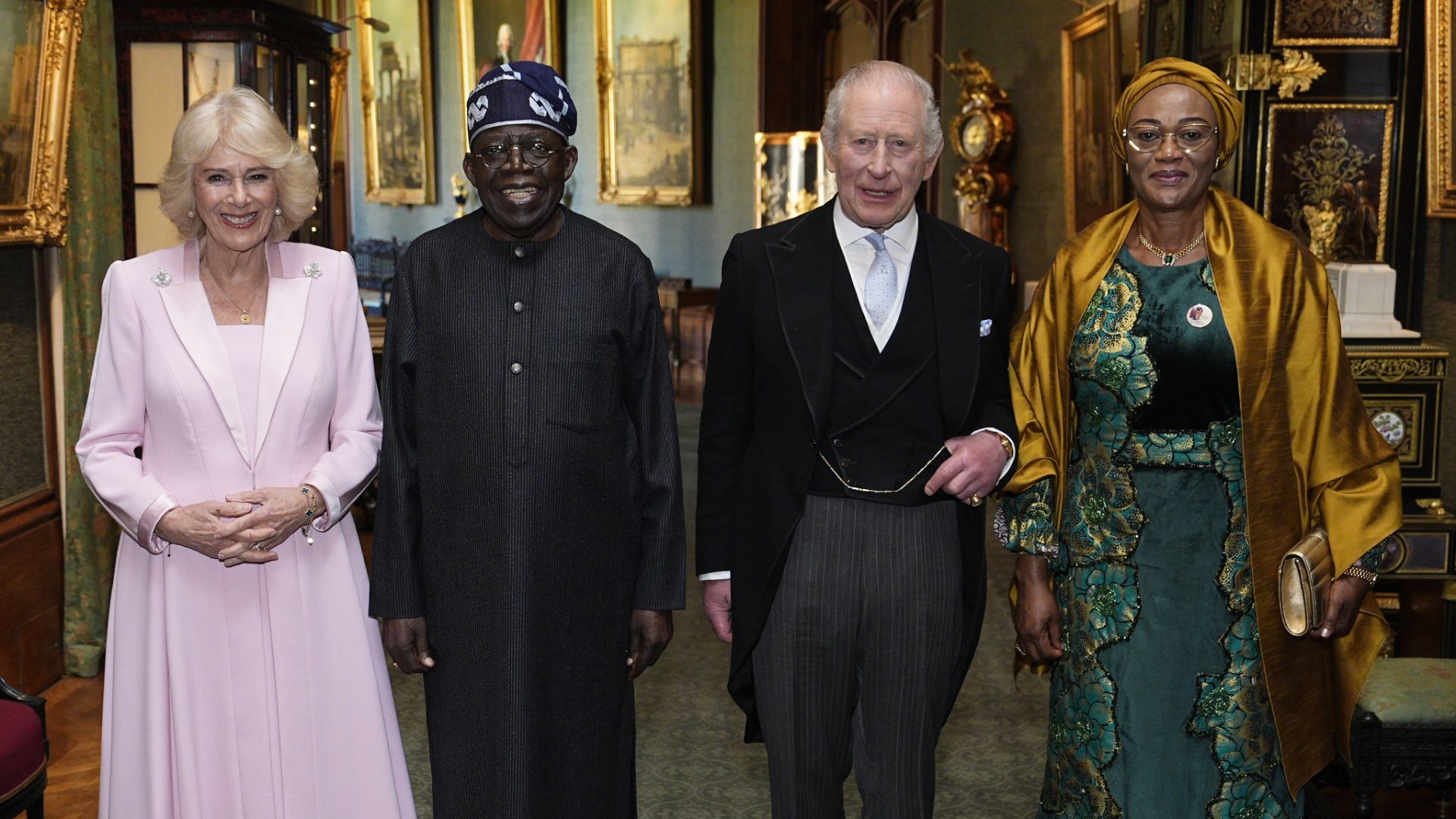
Nigeria has entered a new diplomatic chapter as Bola Ahmed Tinubu commenced a historic state visit to the United Kingdom - the first by a Nigerian leader in 37 years.
The visit, hosted by King Charles III at Windsor Castle, is more than ceremonial pomp. It reflects a strategic recalibration of Nigeria–UK relations, with implications spanning trade, security cooperation, diaspora engagement, and domestic political optics.
A Historic Diplomatic Milestone
The last time a Nigerian leader undertook a state visit to the UK was in 1989 under military ruler Ibrahim Babangida. This makes Tinubu’s trip the first such engagement since Nigeria’s return to democracy in 1999, underscoring its symbolic and political significance. (Al Jazeera)
State visits are among the highest forms of diplomatic engagement, typically reserved for nations with deep strategic ties. For Nigeria, this moment signals: renewed global relevance, strengthened bilateral trust, and recognition of its role as Africa’s largest economy. The visit includes traditional ceremonies such as a royal welcome, carriage procession, and state banquet, emphasizing the importance the UK places on the relationship. (AP News)
Economic Diplomacy Takes Center Stage
At the heart of Tinubu’s visit is a strong economic agenda. Nigerian officials have emphasized that discussions will focus on trade expansion, investment inflows, financial cooperation, and infrastructure development
Nigeria and the UK already maintain robust commercial ties, with trade volumes reaching record highs in recent years. (Reuters)
Analysts expect Tinubu to leverage the visit to:
- Attract foreign direct investment (FDI) into critical sectors such as energy, fintech, and manufacturing
- Strengthening partnerships in banking and financial services
- Promote Nigeria as a hub for African business
This comes at a crucial time, as Tinubu’s administration continues to implement economic reforms, including currency liberalization and subsidy removal, aimed at stabilizing Nigeria’s economy. (Financial Times)
Security Cooperation and Strategic Interests
Security is another key pillar of the visit. Nigerian authorities have highlighted discussions around counterterrorism, intelligence sharing, and military training and collaboration.
With Nigeria grappling with insurgency, banditry, and kidnapping, enhanced cooperation with the UK could provide advanced intelligence capabilities, technical support, and strategic partnerships in defense.
The UK, for its part, sees Nigeria as a critical partner in West African stability, particularly amid rising geopolitical tensions and global security challenges.
The Power of the Nigerian Diaspora
One of the most important bridges between both nations is the Nigerian diaspora in the UK, estimated at over 300,000 people. This community plays a significant role in remittances to Nigeria, cultural exchange, political and economic influence.
High-profile figures of Nigerian descent in the UK, including politicians and business leaders, highlight the deep socio-cultural ties between both countries.
Tinubu’s visit is expected to strengthen engagement with this diaspora, potentially unlocking investment opportunities, skills transfer, and political goodwill.
Political Optics and Domestic Criticism
While the visit is being celebrated diplomatically, it is also occurring against a backdrop of growing domestic criticism of Tinubu’s administration. Key concerns include rising cost of living, inflation and economic hardship, and security challenges
Despite macroeconomic reforms showing signs of progress, many Nigerians continue to struggle with daily economic realities.
Critics argue that:
- The visit may be seen as detached from domestic priorities
- Diplomatic optics should translate into tangible benefits for citizens
However, government officials insist the trip is a strategic necessity, with long-term gains expected to outweigh short-term criticisms.
UK’s Strategic Interests in Nigeria
For the UK, the visit aligns with its broader post-Brexit global strategy, which seeks to strengthen ties with key economies outside Europe.
Nigeria offers: a vast consumer market, abundant natural resources and a strategic gateway to Africa.
British officials have emphasized that economic growth and partnership with Nigeria remain central to their foreign policy objectives.
The UK also aims to position itself as a leading destination for Nigerian investment, and a hub for African financial and business activity.
Symbolism of Royal Diplomacy
The involvement of the British royal family adds another layer of significance.
State visits are carefully choreographed events designed for: strengthening diplomatic relationships, showcasing mutual respect, and reinforcing historical ties.
Tinubu’s reception by King Charles III signals a high level of diplomatic recognition, particularly given the historical context of Nigeria–UK relations rooted in colonial history and Commonwealth ties.
What Success Will Look Like
The success of this visit will ultimately be judged by its outcomes.
Key indicators include:
1. Investment Deals: Concrete agreements that bring capital into Nigeria’s economy.
2. Security Partnerships: Enhanced cooperation that improves Nigeria’s internal security.
3. Trade Expansion: Increased bilateral trade volumes and reduced barriers.
4. Public Perception: Whether Nigerians feel the benefits of the visit in their daily lives.
Broader Implications for Nigeria
This visit could mark a turning point in Nigeria’s international engagement. If successful, it may reposition Nigeria as a key global player, strengthen investor confidence, and enhance diplomatic influence
However, failure to translate diplomatic gains into domestic improvements could deepen public skepticism.
Conclusion
President Bola Tinubu’s state visit to the United Kingdom represents a historic and strategic milestone in Nigeria’s foreign relations.
Coming 37 years after the last such visit, it underscores the importance of Nigeria-UK ties in a rapidly evolving global landscape.
Yet, beyond the ceremonial grandeur, the real test lies in outcomes. As Nigeria navigates economic reforms and security challenges, the visit must deliver tangible benefits that resonate at home.
In the end, the question is not just about diplomatic success, but whether this historic engagement will improve the lives of ordinary Nigerians.