Nigeria–Niger Trade Disruptions Highlight Regional Security and Economic Risks
Border disruptions between Nigeria and Niger reveal security, economic, and policy lessons for Africa on trade, cooperation, and regional integration.
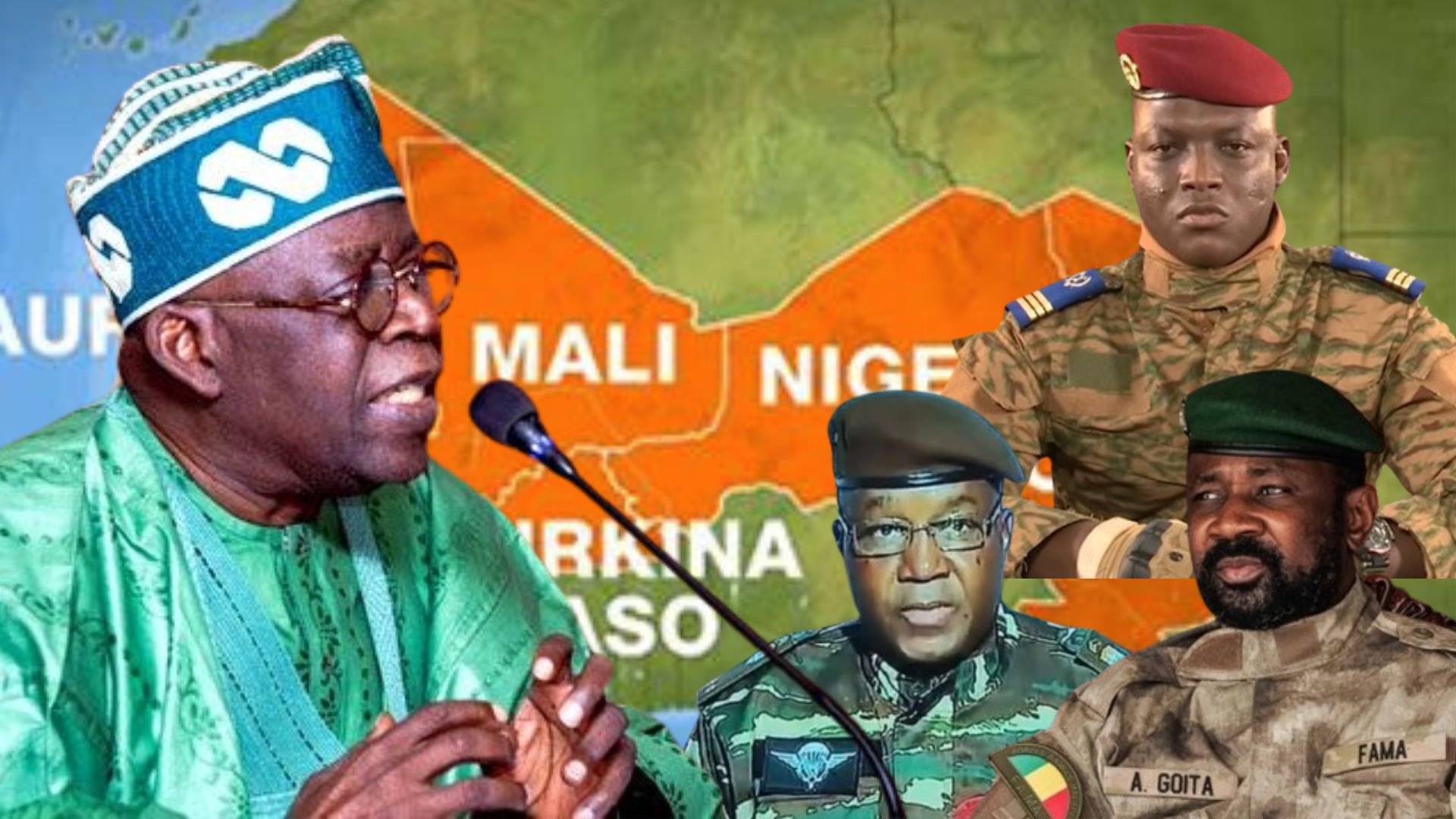
Ongoing tensions along West Africa’s land borders - particularly between Nigeria and the Republic of Niger - have once again drawn attention to the fragility of regional trade and the need for deeper cooperation on security and commerce.
While specific circulars restricting goods from Nigeria have not been confirmed by major outlets, authorities in Niger and neighbouring states have historically tightened border controls in response to security threats, illegal trade, and militant activity. These measures have recurrent impacts on Nigerian exporters, transporters, and informal cross-border traders.
Real-world incidents and reports show that border closures, fluctuating customs enforcement, and ad hoc restrictions occur frequently in West Africa - often with little warning. These can hamper trade, disrupt supply chains, and strain diplomatic ties.
Security Concerns Drive Border Controls Across the Sahel
Niger, which borders Nigeria’s northern states, has faced repeated terror threats from extremist groups like Boko Haram, Islamic State West Africa Province (ISWAP), and cross-border bandits. These security considerations have driven governments to heighten inspections and restrict movement.
In January 2024, officials in Niger’s Tillabéri region (bordering Burkina Faso and Mali) imposed curfews and movement bans after militant attacks - clearly illustrating how security conditions influence policy.
In nearby Burkina Faso, the military government has also repeatedly tightened controls following coup attempts and jihadist incursions, further complicating regional transit and trade.
More broadly, West African countries under the Economic Community of West African States (ECOWAS) umbrella have struggled to balance border security and economic integration, especially after the 2022 coup in Niger and broader Sahel instability.
These dynamics help explain why front-line states sometimes adopt sudden inspections or restrictions on goods and people - particularly from large neighbours like Nigeria with high volumes of cross-border traffic.
Nigeria’s Northern Borders: Trade Lifelines Under Pressure
Nigeria’s land borders with Benin, Niger, Chad, and Cameroon are lifelines for commerce. Many Nigerian farmers, traders, and transporters depend on informal border markets and transit corridors for their livelihoods.
Even before COVID-19, border closures - such as Nigeria’s 2019 closure of land borders ostensibly to curb smuggling - highlighted the vulnerability of cross-border trade to policy shifts.
These closures reduced formal exports, increased informal smuggling, led to transportation bottlenecks, and strained regional supply networks - especially for agricultural produce.
If Niger were to tighten inspections on goods from Nigeria due to security concerns, the economic fallout could ripple across both countries’ border communities, with losses in revenue, jobs, and food availability.
Diplomatic Disputes and Airspace Incidents
Cross-border tensions are not limited to goods. On December 8, 2025, reports emerged that Burkina Faso claimed to have detained Nigerian military personnel for alleged airspace violations. Nigeria’s Air Force denied the breach, saying an aircraft made an emergency landing due to technical issues.
Such incidents can inadvertently intensify distrust among neighbours, prompting stricter border enforcement or heightened security protocols that impact trade.
Lessons for Africa and Nigeria
1. Strengthen Regional Security Cooperation
Border controls driven purely by national security concerns - especially without regional coordination - can disrupt trade and worsen political tensions. ECOWAS needs more robust mechanisms for real-time security intelligence sharing, joint patrols, and harmonized protocols to balance safety and trade.
Takeaway: Nigeria and neighbours should deepen integrated security frameworks that anticipate and mitigate cross-border risks without choking trade.
2. Formalize Informal Trade Channels
A large portion of Nigeria’s cross-border trade is informal. When governments impose inspections or restrictions abruptly, such informal traders suffer the worst.
Formalizing trade channels, simplifying documentation, and adopting common standards across borders would reduce economic vulnerability when security measures tighten.
Takeaway: Nigeria should expand border trade documentation, certification, and formal transit corridors to protect traders and ease inspections.
3. Invest in Border Infrastructure and Technology
Physical infrastructure - from fenced border posts to digital customs tracking - helps ensure that goods are screened transparently, reducing suspicions and arbitrary restrictions.
Countries like Kenya and Rwanda have deployed electronic scanning and cargo tracking systems that balance security needs with efficient trade flows.
Takeaway: Nigeria and neighbours could modernize border posts with scanners, digital documentation, and shared data access to speed legitimate trade while detecting illicit goods.
4. Diplomacy Must Accompany Enforcement
Security concerns can’t be solved with restrictions alone - they require continuous diplomatic engagement. Misunderstandings over airspace or cargo inspections can quickly escalate in a tense region.
Bilateral committees, joint ministerial councils and regular diplomatic dialogue help pre-empt disputes and clarify enforcement actions to prevent unintended trade or political shocks.
Takeaway: Nigeria must maintain proactive communication with Niger and other neighbours to ensure security directives are mutually understood and managed.
5. Protect Border Communities Socio-Economically
Trade disruptions hit border communities hard - punishing the most vulnerable for actions beyond their control. Investments in local infrastructure, alternative livelihoods, and social programmes can reduce dependence on fragile economic linkages.
Takeaway: Government programmes that support micro-businesses, farmers, and transporters in border areas build resilience to policy shocks.
Conclusion: Security and Trade Can Coexist - With Planning
While security imperatives motivate increased inspections and possible restrictions on Nigerian goods in neighbouring countries, economic stability, regional integration, and diplomacy must not be sacrificed. Africa’s future depends on finding that balance.
Nigeria’s role as West Africa’s economic powerhouse gives it both opportunities and responsibilities. If it invests in secure, transparent, and resilient trade systems - alongside strong regional security cooperation - the continent’s borders can become bridges rather than barriers.