Nigeria LNG Cargo Diverted to Asia Amid Global Gas Price Surge
A Nigerian LNG cargo has been diverted from Europe to Asia following a sharp surge in Asian gas prices driven by global supply disruptions. Here’s what it means for Nigeria and global energy markets.
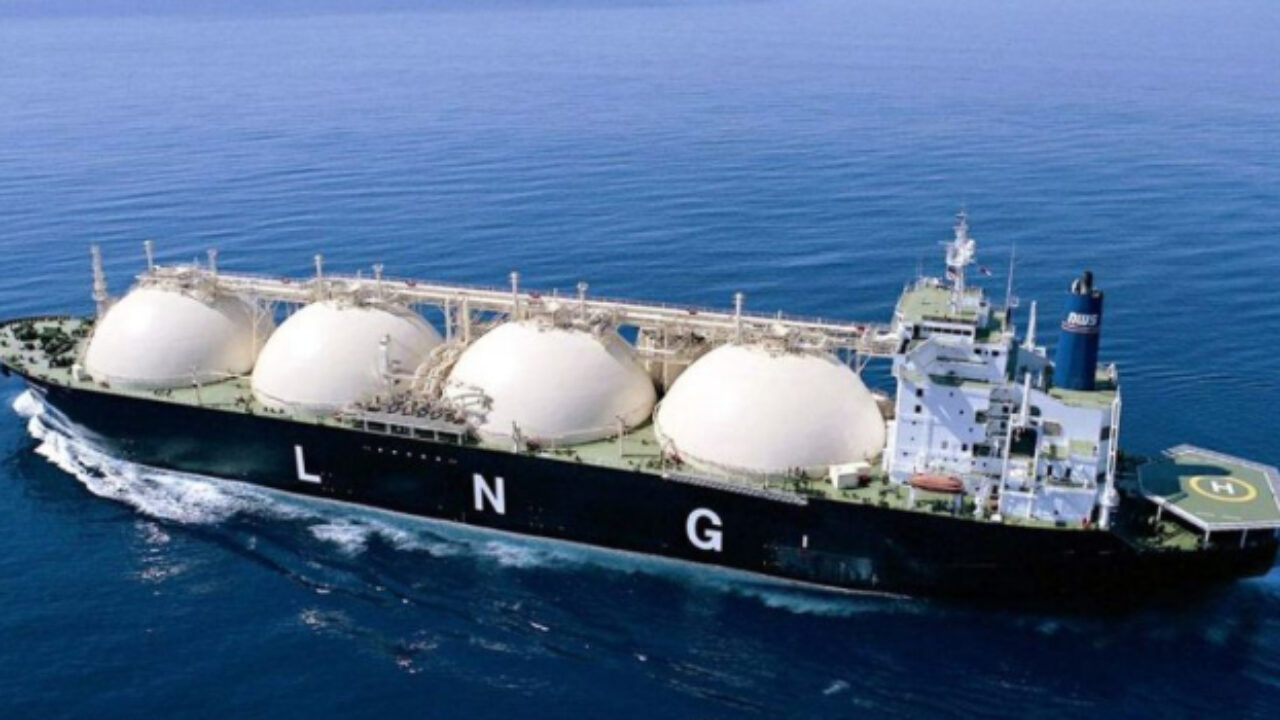
A cargo of liquefied natural gas (LNG) from Nigeria has been diverted from its originally planned destination in Europe to Asia after a dramatic surge in Asian gas prices created a lucrative opportunity for energy traders. The development highlights the growing volatility in global energy markets and underscores how geopolitical tensions are reshaping international gas trade flows.
Energy analysts say the diversion reflects the widening price gap between Asian and European natural gas markets, which has prompted exporters to redirect shipments to the most profitable destinations.
Nigerian LNG Tanker Changes Course
Shipping data showed that an LNG tanker carrying Nigerian gas altered its route shortly after loading cargo at the Bonny Island export terminal in Rivers State. The vessel, identified as the BW Brussels, initially signaled a westward journey toward Europe before changing course and heading south toward Asia via the Cape of Good Hope.
Market observers say the change occurred after Asian LNG prices surged sharply, creating a price advantage over European markets. The shift illustrates how quickly energy cargoes can change destinations in response to global price signals. (Business Insider Africa)
In the highly flexible LNG spot market, exporters and traders frequently redirect shipments if another region offers higher returns.
Asian Gas Prices Hit Three-Year High
The diversion comes amid a surge in Asian LNG prices driven by supply disruptions and geopolitical tensions in the Middle East.
According to market data, the Japan-Korea Marker (JKM) - sia’s benchmark LNG price - jumped by more than 68% to around $25.39 per million British thermal units (mmBtu), the highest level in about three years.
In comparison, spot LNG prices in Europe climbed to around $15.48 per mmBtu, still significantly lower than Asian prices.
The widening gap between the Asian benchmark and Europe’s Title Transfer Facility (TTF) hub created a strong financial incentive for traders to redirect shipments.
Energy market analysts say such arbitrage opportunities often trigger sudden shifts in global LNG trade flows.
Middle East Crisis Disrupts Global Energy Supply
The price spike is closely linked to the escalating geopolitical crisis in the Middle East. The ongoing conflict involving Iran has disrupted energy supplies and threatened shipping routes through the Strait of Hormuz, one of the world’s most critical energy corridors. The strait normally carries around 20% of global oil and significant volumes of LNG, making it vital to global energy security. (Wikipedia)
The crisis has already forced shipping companies to avoid the route and increased insurance costs for tankers operating in the region. In addition, production disruptions in Qatar - the world’s largest LNG exporter - have tightened global supply and pushed prices higher. (Reuters)
These combined factors have sparked a scramble among Asian importers to secure alternative gas supplies.
Asia Competing Aggressively for LNG
Asian countries are among the world’s largest LNG importers, and many depend heavily on overseas supplies for electricity generation and industrial use.
Major buyers such as Japan, South Korea, China, and India rely on LNG imports to meet energy demand, making them particularly sensitive to supply disruptions.
With the Middle East crisis tightening supply, Asian buyers have been aggressively bidding for cargoes on the spot market. As a result, LNG tankers originally bound for Europe and the Atlantic basin are increasingly being redirected to Asia.
Industry experts say Nigeria’s cargo diversion is part of a broader trend in which global energy flows are being reshaped by market dynamics.
Implications for Nigeria’s Energy Sector
For Nigeria, the development presents both opportunities and challenges. Nigeria is one of the world’s major LNG exporters through the operations of Nigeria LNG Limited (NLNG), which runs the Bonny Island liquefaction plant and supplies gas to multiple international markets.
The surge in global LNG prices could translate into higher export revenues for the country, particularly for cargo sold on the spot market rather than under long-term contracts.
Energy analysts note that Nigeria may benefit financially if the price rally persists, especially as buyers compete for limited supplies. However, the country’s LNG exports are largely tied to long-term contracts, meaning only a portion of shipments can be redirected based on price signals.
Impact on Europe’s Energy Security
The diversion also highlights Europe’s vulnerability to global energy competition. Since reducing dependence on Russian gas following the Ukraine conflict, Europe has increasingly relied on LNG imports from countries such as the United States, Qatar, and Nigeria.
If more cargoes are redirected to Asia due to higher prices, Europe could face increased competition for gas supplies, potentially driving prices even higher.
Energy analysts warn that continued diversions could complicate Europe’s efforts to maintain stable gas inventories ahead of future winter demand.
Global LNG Trade Becoming More Flexible
The Nigerian cargo diversion demonstrates how flexible LNG trade has become in recent years. Unlike traditional pipeline gas, LNG can be shipped globally by tanker and redirected during transit to whichever market offers the best price.
This flexibility has made LNG a crucial component of global energy security but has also increased market volatility. As geopolitical tensions, supply disruptions, and demand spikes continue to affect the energy market, analysts expect more cargo diversions in the coming months.
Conclusion
The diversion of Nigeria’s LNG cargo to Asia underscores the rapidly changing dynamics of global energy markets. Driven by a sharp price surge in Asian gas markets and supply disruptions linked to geopolitical tensions, traders are increasingly redirecting shipments to maximize profits.
While the shift could boost Nigeria’s LNG export earnings, it also highlights the broader volatility facing global energy supply chains.
With geopolitical tensions continuing and demand for natural gas rising worldwide, energy analysts say similar cargo diversions could become more common, reshaping global trade routes and intensifying competition among major importing regions.