Nigeria Is Safe, FG Insists After U.S. Embassy Drawdown in Abuja
The Nigerian government responds to the U.S. embassy staff withdrawal in Abuja, insisting the country remains safe - analysis of security, diplomacy, and global perception.
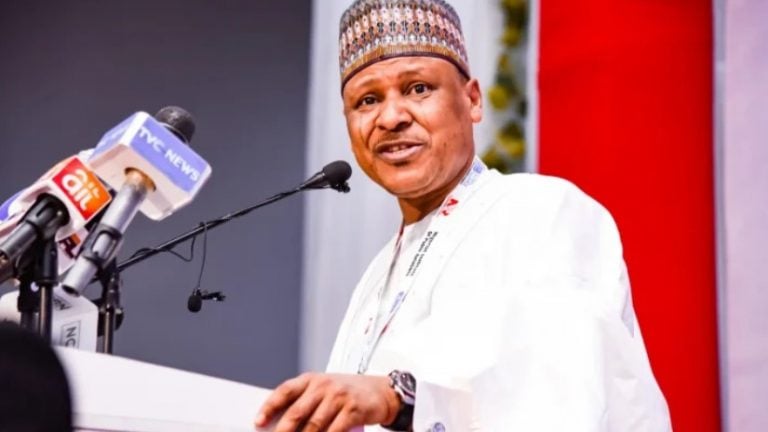
The Nigerian government has pushed back strongly against the recent decision by the United States to authorize the departure of non-essential staff from its embassy in Abuja, insisting that the country remains safe and stable.
The move by Washington, which came amid heightened global tensions and lingering domestic security concerns, has sparked debate about Nigeria’s security realities, diplomatic relations, and international image. For Abuja, however, the message is clear: Nigeria is not in crisis.
The Development
Following the U.S. decision to scale down operations at its Abuja mission, the Federal Government of Nigeria, through the Ministry of Foreign Affairs and security agencies, issued statements reassuring citizens and the international community.
Officials emphasized that there was no imminent threat warranting alarm and described the U.S. action as precautionary rather than a reflection of any new or extraordinary danger within Nigeria.
The government also pointed to ongoing security efforts across the country, highlighting recent operations aimed at tackling insurgency, banditry, and urban crime.
FG’s Position: No Cause for Panic
According to Nigerian authorities, the country remains open for business, travel, and diplomatic engagement. Government spokespersons stressed that security agencies are actively managing risks and have recorded successes in stabilizing several previously volatile regions.
The official stance suggests that while challenges persist, as in many countries Nigeria is far from the unsafe environment implied by foreign advisories. The government also underscored its commitment to protecting both citizens and foreign nationals.
This response is not just about reassurance; it is also about protecting national credibility in the face of global scrutiny.
Understanding the U.S. Decision
The United States, through its embassy and travel advisory system, cited general security concerns, including terrorism, kidnapping, and civil unrest. It also noted broader global risks in light of recent geopolitical tensions involving Iran.
From Washington’s perspective, such actions are part of a standard risk management strategy. U.S. diplomatic missions worldwide often adjust their staffing levels based on evolving threat assessments, even when those threats are not immediate or specific.
However, the optics of such decisions can be powerful, particularly in countries where security narratives are already sensitive.
Diplomacy and Perception
The divergence between the U.S. position and Nigeria’s response highlights a recurring challenge in international relations: the gap between perception and domestic reality.
For Nigeria, the concern is not just about safety but about how the country is perceived globally. Decisions like embassy drawdowns can reinforce negative stereotypes, affecting investor confidence, tourism, and diplomatic engagement.
At the same time, foreign governments have a responsibility to prioritize the safety of their citizens and personnel, often leading to cautious or even conservative decisions.
The result is a delicate diplomatic balancing act, where reassurance and precaution coexist uneasily.
Impact on Citizens and Economy
For ordinary Nigerians, the immediate impact is both practical and psychological. The scaling back of embassy operations may lead to delays in visa processing, affecting students, professionals, and families.
Economically, the implications are more subtle but significant. International investors closely monitor security advisories, and even precautionary measures can influence decisions about where to invest.
Nigeria’s government is keenly aware of this dynamic, which explains the urgency and tone of its response. By asserting that the country is safe, Abuja is also sending a signal to the global market.
Security Reality: Between Progress and Challenges
Nigeria’s security landscape is complex. While there have been improvements in some areas, challenges remain in others. Insurgency in the North-East, banditry in the North-West, and isolated incidents in urban centers continue to test the capacity of security agencies.
The government’s position is that these issues are being addressed and should not define the country as a whole. Critics, however, argue that more needs to be done to ensure consistent security across all regions.
This tension between progress and perception is at the heart of the current debate.
Political Dimensions
The timing of the U.S. decision and Nigeria’s response comes as political activities begin to intensify ahead of the 2027 general elections. Security is likely to remain a central issue in political discourse.
The government’s strong rebuttal can also be seen as a political necessity as an effort to maintain public confidence and counter narratives that could be used by opposition groups.
In this context, the issue transcends diplomacy, becoming part of a broader conversation about governance and national stability.
The Global Context
It is also important to situate this development within the broader global environment. The recent ceasefire between the United States and Iran has not eliminated tensions, and security concerns remain high worldwide.
In such an atmosphere, decisions about embassy operations are influenced not just by local conditions but by global risk calculations. This makes it difficult to interpret the U.S. move as solely a judgment on Nigeria.
The Way Forward
For Nigeria, the path forward involves both action and communication. Strengthening security remains essential, but so does managing the narrative.
Engagement with international partners, including the United States, will be crucial in addressing concerns and rebuilding confidence. Transparent communication about security efforts and progress can also help counter negative perceptions.
Ultimately, Nigeria’s ability to project stability will depend not just on words but on sustained improvements in security and governance.
Conclusion
The Federal Government’s insistence that Nigeria is safe reflects both a defensive response to external perception and a broader effort to protect national credibility.
While the U.S. embassy drawdown highlights ongoing concerns, it does not define the entirety of Nigeria’s security landscape. Instead, it underscores the complex interplay between domestic realities and global perceptions.
For Nigerians, the challenge is to navigate this moment with clarity and confidence acknowledging the issues that exist while also recognizing the resilience and potential of the nation.