NIGERIA INVASION: No Green Light From U.S. Congress
Claims that the U.S. Congress has authorized President Trump to intervene militarily in Nigeria are false. While Washington has debated Nigeria’s violence and the White House has frozen some aid and redesignated Nigeria as a Country of Particular Concern, Congress has not passed a use-of-force authorization - though hearings and partisan pressure persist.
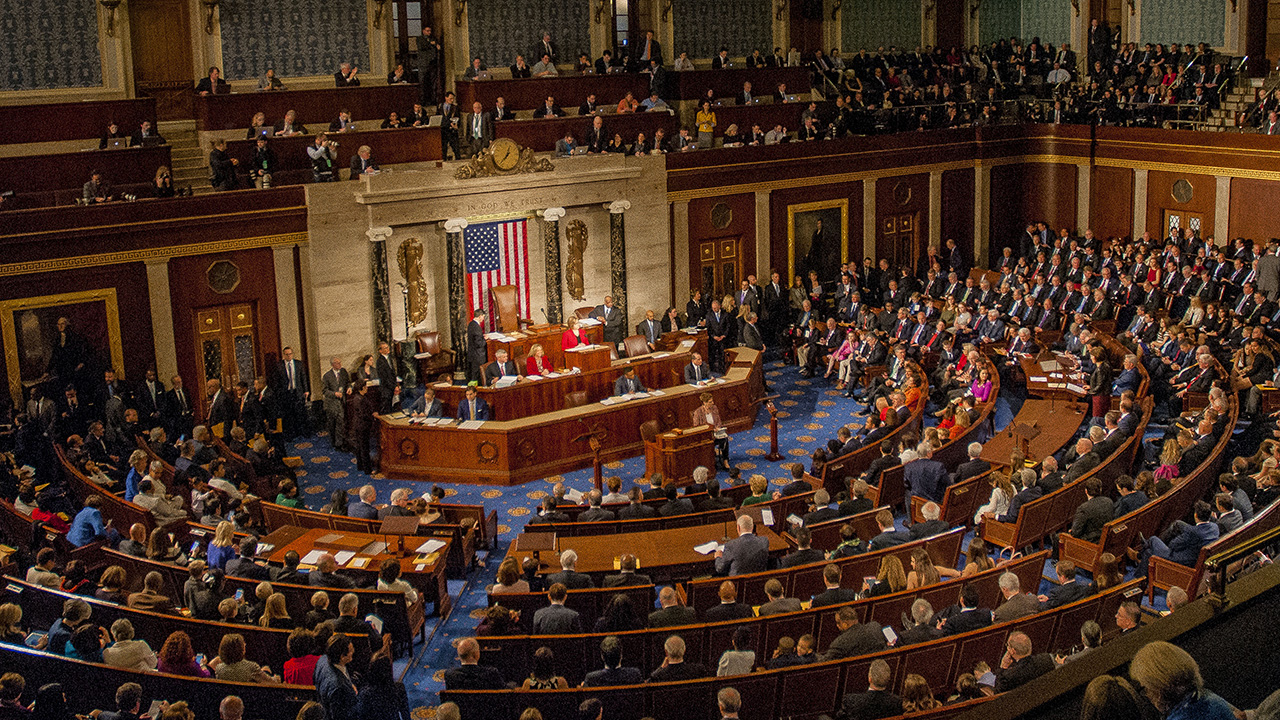
A viral narrative circulating on social media - that the U.S. Congress voted overwhelmingly to empower President Donald J. Trump to use U.S. military force in Nigeria, is incorrect. Despite weeks of dramatic rhetoric from the White House and intense hearings on Capitol Hill about violence in Nigeria’s north-central states, no joint resolution authorizing military intervention has been adopted by Congress. What Washington has done so far is more complicated: administrative designations, committee hearings, and partisan pressure that together have heightened tensions with Abuja - but they stop well short of a legal authorization to use force. - Congress.gov
The flashpoint: Trump’s threats and Washington’s reaction
Since early November, President Trump has repeatedly suggested he might order U.S. military action to stop what he described as mass attacks on Christian communities in parts of Nigeria. He ordered the Pentagon to prepare contingency plans and said he could go in “guns-a-blazing” if necessary - language that jolted diplomats and many members of Congress. International bodies, including the African Union, have rejected the label “genocide” and urged careful assessment of Nigeria’s complex security picture. - The Guardian
In parallel, the administration re-designated Nigeria as a Country of Particular Concern (CPC) for religious-freedom violations - a diplomatic step with real consequences that was welcomed by some U.S. lawmakers but condemned in Abuja as an overreach. The House has taken up resolutions praising that designation and has held hearings probing whether U.S. policy should be harder-edged. But those moves do not equal approval to send U.S. forces into Nigeria.
Congress: heated debate, not a vote for war
Reports claiming a 285–98 vote empowering the president to use force appear to originate in unverified social-media posts and small, partisan websites. Major, authoritative U.S. outlets and the official congressional record do not show that either the House or the Senate passed a use-of-force resolution tied to Nigeria. Lawmakers on both sides of the aisle have publicly said Congress has not authorized military action; several members warned against unilateral intervention. - TheCable
What has occurred in Congress is intense scrutiny. The House Foreign Affairs Africa Subcommittee has held public hearings about “religious persecution” in Nigeria, and several members - often aligned with evangelical or conservative constituencies - have pushed for stronger measures, sanctions, or targeted pressure on Abuja. Other lawmakers and human-rights experts argue that the violence in Nigeria is rooted in local governance failures, criminality, and resource disputes rather than a straightforward religious purge, and they caution against militarized U.S. involvement. - Arise News
Tools the White House really has used
Instead of a military authorization, the administration has relied on diplomatic and economic levers:
CPC designation: The State Department’s designation of Nigeria as a Country of Particular Concern signals Washington’s disapproval and can lead to restrictions on security cooperation and assistance. Congress has seen resolutions commending that move. - Congress.gov
Aid holds or suspensions: The administration has temporarily suspended or reviewed certain U.S. assistance to Nigeria, prompting Abuja to scramble to fill gaps in health and development funding. Nigeria’s parliament and officials have publicly protested. - AP News
Congressional hearings and sanctions bills: Several members are urging targeted sanctions on individuals linked to violence. These legislative paths remain open and could lead to tougher measures short of boots on the ground.
Why the difference matters: law, legitimacy and regional fallout
A formal Authorization for Use of Military Force (AUMF) or similar congressional resolution is the legal mechanism that would justify U.S. combat operations abroad. Without it, any unilateral intervention by the executive branch would raise serious constitutional and international-law questions - and would likely provoke bipartisan opposition in Congress and unease among allied capitals and regional bodies. Lawmakers and analysts warn that military intervention in Nigeria risks major unintended consequences: a broader regional destabilization, accusations of violating sovereignty, and violent backlash. - Politico
How Abuja has reacted
Nigeria’s federal government has rejected the Trump administration’s characterization of the violence as a religiously targeted genocide and insisted that the situation is complex, involving militants, bandits and inter-communal conflict. President Bola Tinubu’s government has called for cooperation on intelligence and law-enforcement rather than foreign boots, and accused Washington of oversimplifying a difficult domestic security problem. Abuja has also warned that outside military action would be a breach of sovereignty.
The misinformation problem
The viral claim that Congress already voted to authorize intervention is a reminder of how quickly unverified narratives can spread - and how damaging they can be in an already tense situation. Social media posts and fringe outlets have amplified an untrue headline about a 285–98 vote. That falsehood has been shared widely in Nigerian and diaspora communities, stoking fear and inflaming political tensions at home and in Washington. Journalists and fact-checkers continue to push back.
However, here are a few things to watch out for in the coming days and weeks.
Legislative action: Look for bills or targeted sanctions in both chambers; those would be real, traceable steps by Congress.
Diplomacy: Expect continued U.S.–Nigeria exchanges - intelligence sharing, law-enforcement cooperation and possible conditional aid tied to reforms.
Public hearings: Congressional committees will keep holding hearings that could shape public opinion and pressure the executive branch.
Regional responses: The African Union and neighbouring states will watch closely; their objections could make any military option politically costly.
Last line: while the U.S. executive branch has escalated rhetoric and used diplomatic levers against Nigeria, Congress has not authorized U.S. military intervention. The story for now is about a fraught diplomatic standoff, heated hearings, and rising misinformation - not a formal congressional green light for military action. Responsible debate and clear facts matter more than ever as policymakers consider next steps.
Sources & further reading
The Guardian: Trump threatens to go into Nigeria ‘guns-a-blazing’ over attacks on Christians.
Politico: Nigeria rejects US military threat over alleged Christian killings.
RFI: US lawmakers split over Trump's claim of Christian persecution in Nigeria