Nigeria Intensify War on Terror as FG Approves ₦1.4 Billion for Boko Haram Trials
Nigeria’s Federal Government has allocated ₦1.4 billion for the prosecution of Boko Haram suspects. Here’s what the funding means, the scale of trials, and key concerns. Includes verified sources.
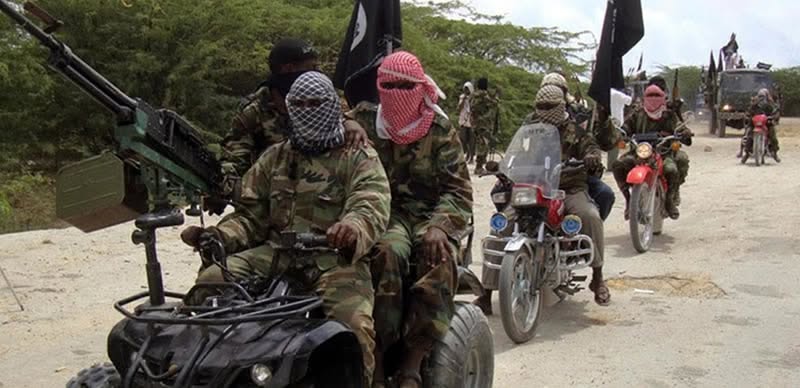
Nigeria’s Federal Government has approved the sum of ₦1.4 billion for the prosecution of suspected Boko Haram terrorists, a move that underscores the scale and complexity of the country’s long-running war against insurgency. The allocation, which forms part of the 2026 budgetary provisions, reflects a significant increase in spending on terrorism-related trials and raises important questions about justice, accountability, and national security.
The decision, reported on April 20, 2026, signals a renewed push by authorities to accelerate the prosecution of hundreds of terrorism suspects who have been in detention for years. (Punch Newspapers)
Details of the ₦1.4 Billion Allocation
According to reports, the Federal Government earmarked approximately ₦1.371 billion specifically for the prosecution of Boko Haram and other terrorism-related cases in 2026. (storiman.com)
This represents a notable increase estimated at over 150% compared to previous allocations, highlighting the government’s intent to fast-track judicial processes that have long been criticized as slow and inefficient. (Punch Newspapers)
The funding is expected to cover logistics, legal proceedings, court operations, and administrative costs associated with mass trials of suspected insurgents.
Why the Government Is Increasing Spending
The allocation comes amid growing pressure on the Nigerian government to resolve the backlog of terrorism cases. Thousands of suspected Boko Haram members have been detained over the years, many without timely trials, raising both legal and humanitarian concerns.
Nigeria has conducted multiple phases of mass trials in the past, often prosecuting hundreds of suspects within short periods. In some instances, over 200 cases were processed in a single day, reflecting both the urgency and the overwhelming scale of the task. (Facebook)
However, these trials have also drawn criticism from legal experts and human rights organizations, who argue that expedited processes risk compromising fair trial standards.
The Scale of Boko Haram Prosecutions
The Boko Haram insurgency, which began over a decade ago, remains one of Africa’s deadliest conflicts. It has resulted in tens of thousands of deaths and displaced millions, particularly in northeastern Nigeria.
As a result, the Nigerian justice system has been burdened with an unprecedented number of terrorism cases. Special courts and dedicated legal frameworks have been established to handle these cases, including the use of the Terrorism (Prevention and Prohibition) Act. (Nairaland)
Despite these measures, the sheer volume of cases has continued to strain the system, making increased funding almost inevitable.
Balancing Speed and Justice
While the ₦1.4 billion allocation is intended to speed up prosecutions, it also raises concerns about the balance between efficiency and justice.
Legal analysts warn that mass trials, if not properly managed, could lead to wrongful convictions or procedural lapses. Ensuring that each defendant receives a fair hearing remains a critical challenge.
At the same time, prolonged detention without trial poses its own risks, including human rights violations and overcrowding in correctional facilities. The government’s funding decision appears to be an attempt to address both issues simultaneously.
Public Reactions and Controversy
The announcement has generated mixed reactions across Nigeria.
Some Nigerians view the allocation as a necessary investment in national security, arguing that justice for victims of terrorism cannot be achieved without properly funded prosecutions.
Others, however, question the prioritization of funds, especially at a time when the country faces economic hardship, rising inflation, and limited resources for social services.
There is also ongoing debate about the broader strategy for dealing with Boko Haram suspects, particularly the government’s approach to rehabilitation and reintegration of “repentant” fighters.
The Debate Over Rehabilitation vs Prosecution
Nigeria’s counterterrorism strategy has included both prosecution and rehabilitation programs. In recent years, the government has invested in deradicalization initiatives aimed at reintegrating former fighters into society.
However, critics argue that these programs sometimes appear to favor suspected insurgents over victims of terrorism, creating a perception of injustice.
The new allocation for trials could be seen as an attempt to rebalance this approach by emphasizing accountability through the legal system.
Implications for Nigeria’s Security Landscape
The ₦1.4 billion funding is more than just a budgetary decision - it reflects Nigeria’s ongoing struggle to stabilize its security environment.
By accelerating trials, the government aims to: reduce the backlog of terrorism cases, strengthen the rule of law, and send a deterrent message to insurgent groups.
However, experts caution that prosecution alone cannot end insurgency. Addressing the root causes of extremism, such as poverty, unemployment, and weak governance, remains essential.
Challenges Ahead
Despite the increased funding, several challenges could affect the success of the initiative:
Judicial Capacity: Nigeria’s courts are already overstretched, and handling large volumes of cases efficiently will require more than just financial resources.
Security Risks: Conducting trials for high-profile terrorism suspects comes with significant security concerns, including the risk of attacks or prison breaks.
Transparency: Ensuring transparency in the use of funds and the conduct of trials will be critical to maintaining public trust.
Conclusion
The Federal Government’s decision to allocate ₦1.4 billion for Boko Haram trials marks a significant step in Nigeria’s fight against terrorism. It reflects both the scale of the challenge and the urgency of delivering justice.
Yet, the move also highlights the complexities of balancing security, justice, and human rights in a country grappling with prolonged insurgency.
As Nigeria moves forward with these trials, the real test will not just be how many cases are processed, but whether the process strengthens public confidence in the justice system and contributes to long-term peace.