Nigeria Fuel Price Surge: Why Petrol Depot Prices Hit N1,900 Per Litre Amid Global Oil Crisis
Nigeria's fuel prices are rising amid soaring global crude oil costs, supply pressures and exchange-rate challenges. Here's why depot prices reportedly reached ₦1,900 per litre and what the increase means for Nigerians.
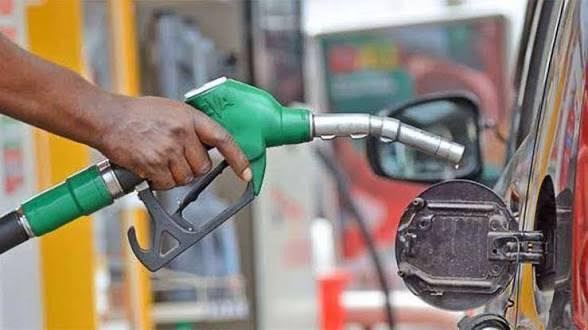
Nigeria's petroleum market is facing renewed pressure following reports that petrol depot prices surged to ₦1,900 per litre in parts of the country, raising concerns about transportation costs, inflation and the purchasing power of households.
The increases, reported across Port Harcourt, Lagos, Warri and Calabar in October 2026, came as international crude oil prices remained elevated and the Federal Government introduced measures intended to cushion consumers against rising energy costs.
According to reports published on October 10, some petroleum marketers in Port Harcourt raised their quoted petrol prices significantly, while prices in Lagos and other cities remained comparatively lower. However, an important clarification is necessary: Vanguard subsequently corrected its report, stating that the ₦1,900-per-litre figure in its earlier report referred to diesel, not petrol. Other outlets continued to report petrol depot prices reaching that level, illustrating the conflicting information surrounding the increase.
The developments highlight the pressures affecting Nigeria's deregulated downstream petroleum market and the difficulties facing efforts to stabilise prices.
1. Rising International Crude Oil Prices
One of the major factors behind Nigeria's rising fuel costs is the increase in international oil prices.
Although Nigeria produces crude oil, the price of petroleum products in a deregulated market is influenced by global commodity prices, refining costs and the cost of replacing supplies. Domestic refining does not automatically insulate consumers from international price movements.
Reports on October 9 indicated that Brent crude rose to approximately $104.50 per barrel from $104.28, while other international benchmarks also recorded increases.
Higher crude prices can increase the cost of producing or acquiring refined petroleum products. When refiners and marketers face higher replacement costs, they may adjust their selling prices to reflect prevailing market conditions.
The impact can be particularly pronounced when global energy markets are already experiencing geopolitical uncertainty and supply disruptions.
2. Global Conflicts and Supply Disruptions
International tensions have added uncertainty to energy markets, with disruptions to oil and shipping routes increasing concerns about supply availability.
The conflict involving Iran and wider tensions around the Strait of Hormuz have heightened concerns about the movement of crude oil and refined petroleum products. The waterway is a critical route for global energy shipments, meaning disruptions can influence prices well beyond the Middle East.
When traders anticipate reduced supplies or higher transportation costs, international oil prices can rise even before a major shortage materialises.
Nigeria is not insulated from these developments. Despite its status as a major crude producer, the country remains exposed to international pricing dynamics for petroleum products and associated logistics.
3. Exchange-Rate Pressures and Import Costs
Foreign-exchange movements are another important factor in Nigeria's petroleum pricing structure.
Where products or production inputs are purchased using foreign currency, a weaker naira increases their domestic cost. Importers and refiners must account for the exchange rate when calculating procurement expenses, financing costs and the prices at which products can be sold profitably.
Even when crude oil is sourced locally, refiners and marketers may still face costs linked to international benchmarks, imported equipment, shipping, insurance and other dollar-denominated expenses.
These factors can contribute to higher prices at depots and filling stations, although the precise effect depends on the sourcing arrangements and cost structure of each operator.
4. Depot Pricing and Differences Across States
The reported increases also demonstrate that fuel prices are not uniform across Nigeria.
According to reports published around October 10, several Port Harcourt depots raised their quoted prices, while prices in Lagos, Warri and Calabar were generally lower in the reported transactions.
At the retail level, some Lagos filling stations were selling petrol at approximately ₦1,338 to ₦1,400 per litre, depending on the operator and location.
Differences between depot and pump prices reflect several factors, including supply contracts, transportation expenses, storage charges, operating costs and individual marketers' pricing decisions.
A rise in depot prices does not automatically mean every filling station will immediately charge the same amount. Retailers may temporarily absorb some increases, sell existing stock purchased at lower prices or adjust their margins.
However, if higher wholesale costs persist, filling stations may eventually pass some of the additional expenses to motorists.
5. Removal of Fuel Subsidy and Market-Based Pricing
Nigeria's decision to remove the longstanding petrol subsidy in 2023 remains central to the way fuel prices respond to market conditions.
Under market-based pricing, petrol prices can change as crude oil prices, exchange rates, refining costs and distribution expenses fluctuate. Unlike a system in which the government absorbs a substantial portion of the cost, consumers are more directly exposed to increases in the supply chain.
The policy was intended to reduce the fiscal burden of subsidising fuel and free up public resources for other priorities. However, it has also made households and businesses more vulnerable to sudden price increases.
In response to the latest pressures, Finance Minister Taiwo Oyedele announced on October 8 that the government was negotiating a proposed ₦1,350-per-litre ceiling on petrol's ex-gantry or landing cost. Under the proposed arrangement, refiners and importers would absorb costs above the ceiling and recover the difference when market conditions improve.
The government also announced a 30-day petrol discount at Nigerian National Petroleum Company Limited (NNPC) stations, alongside plans to increase crude supplies to domestic refineries and reduce transportation-related levies.
The proposal's effectiveness will depend on implementation, industry participation and the evolution of international oil prices.
6. Impact on Transportation, Food Prices and Businesses
Higher fuel prices have consequences that extend far beyond filling stations.
Transport operators face increased costs for moving passengers and goods, potentially resulting in higher fares and delivery charges. Farmers and food distributors may also incur additional expenses transporting agricultural produce from rural communities to urban markets.
Businesses that depend on diesel-powered generators face a further challenge when diesel prices increase. Manufacturers, retailers, hospitals and small enterprises may have to spend more on electricity generation and logistics.
These additional expenses can eventually be passed on to consumers through higher prices for food, manufactured goods and services.
For households already struggling with living costs, the consequences may include reduced spending on education, healthcare and other essential needs.
Conclusion
Nigeria's reported fuel-price increases reflect a combination of international oil-market pressures, exchange-rate exposure, distribution costs and the country's market-based petroleum pricing system.
Although reports of petrol depot prices reaching ₦1,900 per litre attracted widespread attention, the correction issued by Vanguard means the figure must be treated cautiously rather than presented as a verified nationwide petrol pump price.
The Federal Government's proposed price-stabilisation measures may provide some relief if successfully implemented. However, lasting improvement will depend on more predictable supply, efficient distribution, stable economic conditions and transparent pricing throughout the petroleum value chain.
For consumers, transport operators and businesses, the central concern remains whether the government and industry can prevent further increases from deepening the country's cost-of-living pressures. n