Nigeria-Born Catholic Priest Convicted by US Court in Sexual Misconduct Case
A United States court has convicted a Nigerian-born Catholic priest, Anthony Odiong, in a sexual misconduct case, sparking reactions within religious and legal circles as authorities continue efforts to address abuse allegations within faith institutions.
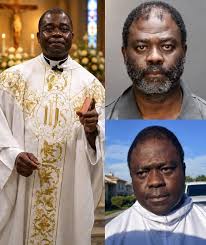
A United States court has convicted a 57-year-old Nigerian-born Catholic priest, Anthony Odiong, in a high-profile sexual misconduct case that has generated significant attention within religious, legal, and immigrant communities both in America and Nigeria.
The priest was found guilty following legal proceedings that examined allegations of inappropriate sexual conduct and abuse. According to reports by Associated Press and Reuters, the conviction marks another major development in ongoing efforts by American authorities and religious institutions to confront abuse allegations involving members of the clergy.
Court officials confirmed that the verdict was delivered after prosecutors presented evidence and witness testimony during a lengthy judicial process. The case has once again renewed global conversations surrounding accountability within religious organizations and the protection of vulnerable individuals from abuse.
Court Proceedings and Conviction
According to reports from the United States judicial system, the priest faced multiple allegations connected to sexual misconduct accusations that dated back several years.
Prosecutors argued that the accused abused positions of trust and authority within religious settings, while legal teams for the defense sought to challenge portions of the evidence presented during trial proceedings.
After reviewing testimonies and evidence, the court ultimately returned a guilty verdict on charges connected to sexual misconduct. Legal authorities stated that sentencing procedures would follow in accordance with United States criminal law.
Further details regarding the judicial proceedings were also covered by BBC News, which highlighted the broader implications of the case within the Catholic Church and the immigrant religious community.
Catholic Church Abuse Cases Remain Global Concern
The case adds to a broader history of abuse allegations involving clergy members within the Catholic Church. Over the past two decades, investigations in the United States, Europe, Latin America, Africa, and Australia have exposed widespread cases of abuse and institutional cover-ups involving some religious officials.
According to Catholic News Agency, church authorities worldwide have repeatedly pledged to strengthen child protection systems, improve transparency, and implement safeguarding measures designed to prevent future abuses. These revelations have triggered major reforms within many Catholic dioceses, including stricter reporting requirements, background screening processes, and independent oversight mechanisms.
Reactions from Religious Communities
The conviction has generated mixed reactions among members of Catholic communities in both Nigeria and the United States. Some faithful expressed sadness and disappointment over the case, emphasizing the damage such scandals cause to public trust in religious institutions.
Others stressed the importance of accountability and justice regardless of the accused individual’s religious position or nationality. Religious commentators noted that abuse cases involving clergy often deeply affect parish communities because priests are traditionally viewed as moral and spiritual leaders.
Nigerian Community Responds
The Nigerian diaspora community in the United States has also reacted strongly to the conviction. Some community leaders cautioned against generalizing the actions of one individual to the broader Nigerian or African Catholic population.
Others emphasized the need for stronger psychological screening, accountability structures, and ethical oversight within religious institutions globally.
The case has sparked discussions on social media platforms where users debated issues of morality, institutional accountability, and the responsibility of religious organizations in preventing abuse.
US Authorities Emphasize Accountability
American prosecutors involved in the case reiterated that no institution or public figure is above the law. Legal officials stated that abuse allegations involving trusted authority figures are treated with seriousness because of the vulnerability of victims and the long-term emotional impact associated with such crimes.
The United States has significantly intensified investigations into clergy abuse cases over the past two decades, leading to convictions, civil lawsuits, and major financial settlements involving religious institutions.
Church Faces Continued Scrutiny
The Catholic Church continues to face intense scrutiny globally over how abuse allegations are handled internally. Critics have accused some institutions in the past of prioritizing institutional reputation over victim protection.
In response, many dioceses and church bodies have introduced safeguarding departments, mandatory abuse reporting protocols, and independent review systems.
Pope Leo XIV and senior Vatican officials have repeatedly condemned sexual abuse and called for stronger disciplinary action against offending clergy members.
Survivors and Advocacy Groups Speak Out
Advocacy organizations supporting abuse survivors welcomed the conviction, describing it as an important step toward justice and institutional accountability. Some survivor groups argued that many abuse victims remain silent for years due to fear, trauma, or distrust of institutional systems.
Legal experts note that increased public awareness and changing societal attitudes have encouraged more survivors to come forward in recent years. Advocates also continue pushing for broader reforms aimed at ensuring transparency and protecting future victims.
Legal and Immigration Implications
The conviction could also carry immigration and residency implications depending on the priest’s citizenship or immigration status in the United States. Legal analysts say foreign nationals convicted of serious criminal offenses in the US can face additional legal consequences after sentencing, including possible deportation proceedings.
However, such outcomes depend on specific legal circumstances and federal immigration review processes.
Broader Debate on Institutional Trust
Beyond the immediate legal proceedings, the case has reignited wider debates about institutional trust and accountability in religious organizations worldwide. Experts say abuse cases involving respected authority figures often create deep emotional and psychological consequences for victims and communities alike.
Religious scholars argue that faith institutions must continue balancing spiritual leadership with rigorous accountability and safeguarding systems.
Calls for Continued Reform
Observers say the conviction serves as another reminder of the importance of ongoing reforms within religious institutions globally. Experts emphasize the need for stronger reporting systems, mental health support for victims, independent oversight mechanisms, and zero-tolerance policies regarding abuse allegations.
Many religious organizations have already expanded safeguarding programs, though critics argue that more work remains necessary to rebuild public confidence.
The conviction of a Nigerian-born Catholic priest by a United States court in a sexual misconduct case has drawn widespread attention across religious, legal, and international communities. As sentencing and possible further legal proceedings continue, the case underscores the ongoing global push for accountability, transparency, and stronger protections against abuse within faith institutions.
For many observers, the development also reinforces the principle that positions of religious authority do not exempt individuals from legal responsibility.