Nigeria Appoints New Defence Minister Amid Escalating Security Crisis
Nigeria names a new Defence Minister as the country grapples with surging insecurity, kidnappings and communal violence. The appointment marks a strategic shake-up aimed at strengthening national security and restoring public confidence.
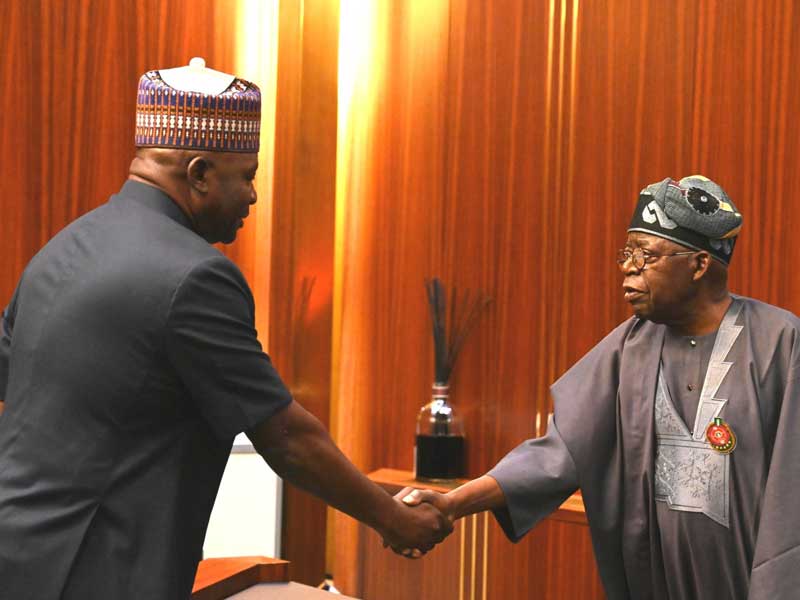
Nigeria has announced the appointment of a new Defence Minister as the government confronts escalating violence, banditry and widespread insecurity across multiple states. The move forms part of a broader reshuffle in the country’s security architecture, underlining President Bola Tinubu’s resolve to address mounting public outcry over safety and stability.
In the official statement confirming the change, the presidency described the appointment as a necessary step to bolster Nigeria’s security framework - stressing that fresh leadership is essential to mount a more coordinated and effective response to the threats facing the nation.
The new minister, a seasoned former military official, inherits a security portfolio mired in complex challenges: from mass kidnappings and bandit attacks in the North-West and North-Central regions, to communal violence, militia activity and general lawlessness affecting everyday Nigerians.
Security Crisis: What Prompted the Leadership Change
Nigeria’s security situation has deteriorated sharply in recent months. Widespread kidnappings - including abductions of schoolchildren - frequent raids on villages, armed banditry, and attacks on civilians have fueled fear and unrest. In response, the government had declared a national security emergency and ordered mass recruitment, redeployment of security forces, and reorganization of defence structures.
Public pressure has been intense. Communities in conflict-prone states have demanded decisive action after experiencing repeated attacks, looting, and displacement. Analysts have frequently highlighted deep systemic flaws: under-resourced policing, weak intelligence gathering, insufficient coordination among security agencies, and faltering trust between civilians and security forces.
Against this backdrop, the appointment of a new Defence Minister is perceived as a fresh start - a symbolic and strategic signal that the government intends to reassert control and restore public security.
The New Defence Minister: Experience, Expectations, and Challenges Ahead
The newly appointed Defence Minister is widely described as a career military officer with decades of service - someone acquainted with ground realities and command operations, not merely a political appointee. Observers argue that this practical background could be vital for leading coordinated security efforts across Nigeria’s fractured and stretched security institutions.
Supporters of the appointment believe the new minister’s first tasks must include:
• Reorganizing and strengthening inter-agency coordination, ensuring that the army, police, paramilitary, and intelligence agencies work in concert.
• Deploying security assets rapidly to crisis zones - especially in the northern states contending with bandits and kidnappers.
• Protecting civilians, schools and public infrastructure - many of which have been repeatedly targeted by militants and criminals.
• Improving intelligence gathering and community policing, to pre-empt attacks rather than merely respond after the fact.
• Rebuilding public trust in security forces - transparency, accountability, and respect for human rights will be critical for legitimacy.
Nevertheless, the challenges confronting the new minister are formidable. Nigeria’s vast size, porous borders, socio-economic inequalities, and the proliferation of armed groups make comprehensive security reform a decades-long project rather than a quick fix. Experts warn that even the most capable minister cannot succeed alone - success will require sustained funding, political will, institutional reform, and long-term development strategies.
Mixed Reactions: Hope, Skepticism - and Calls for Broader Reform
The move has elicited a spectrum of reactions from civil society, analysts and ordinary Nigerians. Some voices welcome the appointment, expressing cautious optimism. A number of security-minded stakeholders say having someone with military experience at the helm of the Defence Ministry could lead to improved strategic planning, better deployment of resources, and stronger deterrence against marauding groups.
Others, however, urge restraint in expectations. Civil-society organizations warn against viewing the reshuffle as a silver bullet. To them, reinstituting security will require more than leadership change - it demands structural reforms: improved governance, poverty reduction, community engagement, better local policing, and socio-economic development in neglected regions.
Analysts also note risks. Elevating a military figure to a political office may blur lines between civilian oversight and military command - a delicate balance in a democratic society. Long-term peace, they argue, depends on strengthening civilian institutions, not just amplifying military force.
What the Coming Months Will Reveal
Key indicators to watch as the new Defence Minister settles into office include:
• Whether coordinated security operations begin in hotspot regions, and whether these lead to a tangible drop in kidnappings, banditry, and violent attacks.
• Improvements in security response times, intelligence-led operations, and protection of vulnerable communities.
• Signalling of renewed political commitment: increased defence budget allocations, better training, welfare provisions for security personnel, and investment in preventive security infrastructure.
• Uptake of community-based policing and engagement with local stakeholders to address root socio-economic causes of insecurity.
• Transparency and accountability measures to protect civilians and ensure that security efforts safeguard rights rather than erode them.
For many Nigerians - particularly those living in terror-ridden zones - the appointment brings a glimmer of hope. But real change, they know, will come only if the government backs this leadership shift with consistent, comprehensive action.
Conclusion: A Critical Appointment - But Only the First Step
With the appointment of a new Defence Minister, Nigeria has taken a critical step - one meant to signal resolve, reset strategy, and respond to the cries of communities under siege. The new leader brings experience, command capability, and (potentially) fresh strategic direction at a time of national urgency.
Yet success will depend not merely on the individual in charge - but on the collective commitment of the state, security institutions and society to reform, rebuild, and protect. If backed by resources, good governance and long-term vision, this leadership change could mark the start of a turnaround in Nigeria’s security outlook.
But if the resolve fades, or efforts remain fragmented, it may be judged just another reshuffle in a long series. For millions longing for peace and stability, what happens next will matter deeply.