Nigeria 2027 Election: Political Parties Race Against Saturday Candidate Submission Deadline
Nigeria's political parties are under intense pressure as the Saturday deadline for submitting candidates for the 2027 general election approaches. Internal disputes, last-minute negotiations, and legal concerns dominate the race to meet INEC's timetable.
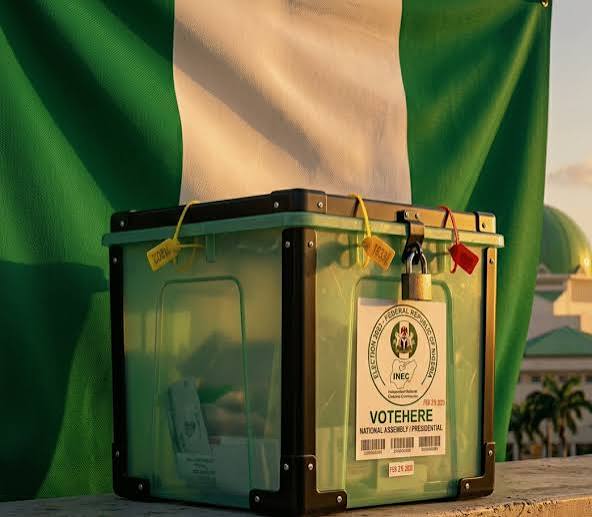
Nigeria's political landscape has entered a decisive phase as political parties scramble to beat Saturday's deadline for submitting the names of their candidates for the 2027 general election to the Independent National Electoral Commission (INEC).
The deadline has triggered frantic consultations, emergency meetings, and last-minute negotiations across major and smaller political parties, with many still grappling with internal disagreements over who should represent them in key national and state contests.
For party leaders, the coming days could determine not only their electoral fortunes but also whether they avoid legal battles capable of derailing their campaigns before voting begins.
Pressure Mounts Across Party Headquarters
Since INEC released its electoral timetable, political parties have been working to complete their internal nomination processes in accordance with the Electoral Act and the commission's regulations.
However, several parties continue to face disputes arising from parallel primaries, court cases, zoning disagreements, and demands from influential stakeholders seeking to influence candidate selection.
With the submission portal scheduled to close on Saturday, party officials have intensified reconciliation efforts to ensure they present valid candidates before the deadline expires.
Failure to submit candidates within the stipulated timeframe could leave political parties without representation in key elections, significantly weakening their chances of competing effectively in the 2027 polls.
INEC Maintains Firm Position
INEC has repeatedly emphasized that the electoral timetable remains binding and that political parties are expected to comply fully with every stage of the election calendar.
The commission has urged parties to conclude their nomination exercises transparently while complying with constitutional provisions, the Electoral Act, and their own internal guidelines.
Election observers say the commission's insistence on strict adherence to deadlines is aimed at reducing post-primary litigation, which has become a recurring feature of Nigerian elections.
Over the years, numerous candidates have lost opportunities to contest elections due to procedural errors, conflicting primary elections, and judicial rulings that invalidated nominations after deadlines had passed.
Major Parties Face Internal Challenges
Nigeria's major political parties continue to battle internal divisions as aspirants lobby delegates and party executives for final endorsements.
In some states, competing factions have organized separate primary elections, each claiming legitimacy.
Such disputes have already resulted in several court cases, with aggrieved aspirants challenging the conduct of party officials and alleging violations of internal rules.
Political analysts warn that unresolved disputes could ultimately benefit rival parties during the general election by weakening party unity and reducing campaign effectiveness.
Several governors, former governors, serving lawmakers and influential political figures have also become involved in efforts to broker peace among competing interests before the deadline.
Last-Minute Negotiations Intensify
Across Abuja and state capitals, hotels, party secretariats and private residences have become venues for marathon meetings involving party leaders and aspirants.
Negotiations have focused on power-sharing arrangements, consensus candidacies and possible withdrawals aimed at avoiding divisive contests.
In many cases, party leaders are attempting to persuade unsuccessful aspirants to remain loyal and support eventual nominees instead of defecting to rival parties.
Political observers note that defections traditionally increase during election seasons, particularly after contentious primary elections.
Some parties have already witnessed prominent members switching allegiance after failing to secure preferred nominations.
Legal Implications of Missing the Deadline
Election lawyers stress that compliance with INEC's timetable is essential because the Electoral Act provides limited opportunities for political parties to alter submitted candidates.
Once the submission window closes, substitutions are generally permitted only under specific circumstances such as death or voluntary withdrawal, subject to legal requirements.
As a result, parties are under enormous pressure to ensure all documentation is accurate before uploading candidates' names to the commission's portal.
Errors in nomination forms, missing credentials or disputes over the validity of primary elections could expose parties to lengthy litigation that may ultimately determine who appears on the ballot.
Voters Watch Developments Closely
Although campaigns have yet to reach full momentum, Nigerians are already paying close attention to developments within political parties.
Civil society organizations have urged parties to conduct transparent primaries that reflect the wishes of members rather than the preferences of a few influential figures.
Youth groups have also called for greater opportunities for younger candidates, arguing that leadership renewal remains essential for Nigeria's democratic development.
Women's organizations continue to advocate increased female participation, encouraging parties to nominate more women for elective offices across the country.
Security Agencies Prepare for Increased Political Activity
With the candidate submission deadline approaching, security agencies have heightened monitoring of political activities nationwide.
Authorities remain alert to possible protests arising from disputed primaries or allegations of manipulation during candidate selection processes.
The Nigeria Police Force has appealed to political actors and supporters to conduct themselves peacefully while resolving disagreements through lawful channels.
Security experts say preventing violence during the nomination phase is crucial to ensuring a peaceful electoral process leading up to the 2027 general election.
Analysts Predict Fierce Electoral Contest
Political analysts believe this election cycle could become one of Nigeria's most competitive since the return to democratic rule in 1999.
Economic challenges, insecurity, unemployment and governance issues are expected to dominate campaign debates as parties seek to convince voters they possess workable solutions.
The eventual list of candidates submitted before Saturday's deadline will largely shape campaign strategies, coalition discussions and voter expectations over the coming months.
Observers also expect legal challenges arising from party primaries to continue even after candidate submissions are completed, potentially influencing the political landscape ahead of election day.
Countdown to a Critical Deadline
As the Saturday deadline draws closer, the atmosphere within Nigeria's political parties has become increasingly tense.
Party officials are working around the clock to finalize documentation, reconcile rival factions and ensure compliance with INEC's electoral guidelines.
For many aspirants, the coming hours represent the culmination of months of political consultations, grassroots mobilization and strategic alliances.
For voters, however, the focus remains on whether political parties will present credible candidates capable of addressing Nigeria's pressing economic and social challenges.
With the deadline fast approaching, all eyes are now on INEC's candidate submission portal as the next chapter in Nigeria's journey toward the 2027 general election begins.