Niger State Tragedy: How 37 Suspected Illegal Miners Died in NSCDC Custody
Thirty-seven suspected illegal miners have died in NSCDC custody in Niger State. Here is what happened, the investigations underway and the unanswered questions surrounding the tragedy.
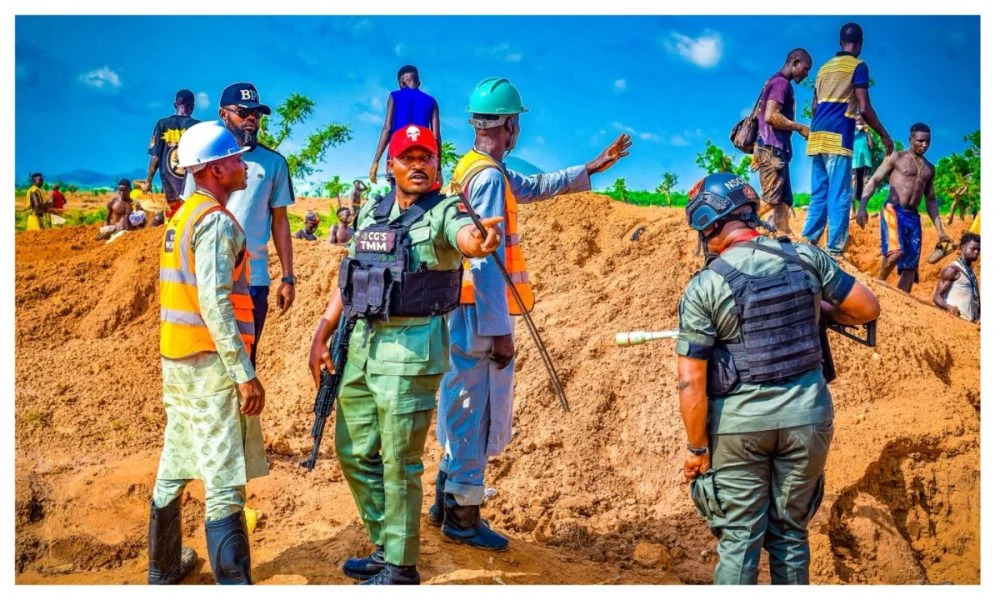
A tragedy in Niger State, Nigeria, has triggered public outrage and multiple investigations after 37 suspected illegal miners died while in the custody of the Nigeria Security and Civil Defence Corps (NSCDC) in Minna.
The deaths occurred after the victims were arrested during enforcement operations against suspected illegal mining in the M.I. Wushishi and Lukoto areas of Niger State on September 15 and 16, 2026. The detainees were subsequently taken to an NSCDC detention facility in Minna, where dozens were later found dead.
The incident has generated protests, a curfew, official suspensions and demands for an independent investigation into the circumstances surrounding the deaths.
What Happened in Niger State?
According to reports from the NSCDC and Niger State authorities, security operatives carried out raids targeting suspected illegal mining activities around the Wushishi-Lukoto axis.
Dozens of people were arrested during the operations. Governor Mohammed Umaru Bago subsequently confirmed that 37 detainees had died while in NSCDC custody.
The NSCDC initially indicated that the deaths could have been linked to a suspected disease outbreak, but authorities stressed that the definitive cause had not been established. The bodies were taken to the General Hospital in Minna for medical examination and autopsies.
The state government has also said investigators are examining several possible explanations, including overcrowding and suffocation, as well as possible exposure to hazardous substances associated with mining activities. (Channels Television)
At this stage, therefore, it would be premature to state conclusively what caused the deaths.
Questions Over Conditions Inside the Cell
One of the most troubling aspects of the case concerns the conditions under which the detainees were held.
A survivor, Dauda Shehu, told the Associated Press that about 65 detainees were packed into a poorly ventilated cell. His account suggested that some detainees struggled to breathe before the deaths occurred. Other reports have similarly raised allegations of overcrowding, inadequate ventilation, heat and limited access to water. (AP News)
These accounts have not yet been independently established as the definitive cause of death.
That distinction is important because the official investigations and autopsies are expected to determine whether the deaths resulted from a disease outbreak, conditions inside the detention facility, exposure to substances at the mining site, or a combination of factors.
Governor Bago has specifically cautioned against drawing premature conclusions while forensic, medical and biological examinations are underway. (Premium Times Nigeria)
Government Launches Multiple Investigations
The scale of the deaths has prompted investigations by several authorities.
The Niger State Government established a committee of inquiry and ordered forensic examinations and autopsies. The NSCDC also constituted an investigative team to examine the circumstances surrounding the deaths, including the condition of the detainees when they were arrested, their treatment while in custody, the detention conditions and medical attention available to them.
The Niger State NSCDC Commandant, Suberu Siyaka Aniviye, and members of his team were suspended to allow investigations to proceed. The police and other security agencies are also examining the incident. (Premium Times Nigeria)
The Federal Government has subsequently established a 10-member independent committee to investigate the deaths following President Bola Tinubu's directive for a comprehensive investigation. (Punch)
The National Human Rights Commission has also commenced a preliminary investigation and called for the preservation of evidence and an independent forensic autopsy. (The Guardian)
Protests Erupt in Minna
The deaths quickly became a public issue in Minna, with residents and relatives demanding answers.
Protests erupted as people sought explanations for how dozens of individuals who had been arrested alive could die within a short period while in government custody.
Reuters reported that security forces used tear gas and opened fire during protests, while authorities subsequently imposed a 24-hour curfew in Minna. The circumstances surrounding injuries or additional casualties during the protests are also subject to ongoing reporting and investigation. (Reuters)
The unrest demonstrates how the incident has moved beyond a detention-centre tragedy into a wider question of public confidence, security operations and accountability.
The Illegal Mining Connection
The arrests themselves were part of a wider government effort to combat illegal mining in Niger State.
Niger is rich in mineral resources, including gold, and authorities have intensified efforts against unlicensed mining. Officials have also raised concerns about the environmental and security consequences of illegal mining, including its alleged links to criminal networks.
However, being arrested on suspicion of illegal mining does not by itself establish criminal guilt. The deaths have consequently raised questions not only about the enforcement operation but also about the legal and humanitarian responsibilities of authorities once suspects are taken into custody.
President Tinubu has reportedly directed investigators to examine the circumstances of the arrests, the condition of the detainees when they entered custody, the conditions in which they were held, the medical care provided and the events immediately preceding their deaths. (The Guardian)
Families Await Answers
For the families of the 37 deceased, the central issue is no longer simply why their relatives were arrested but how they died.
The government has begun compiling information on the families of the victims, while authorities have pledged to establish the facts through forensic and medical investigations.
The Federal Ministry of Solid Minerals Development has also deployed mining and technical experts to assist investigators in determining whether activities at the mining sites or exposure to hazardous substances played any role. (Premium Times Nigeria)
A Tragedy Still Without a Definitive Explanation
The deaths of 37 people in NSCDC custody represent one of the most serious detention-related incidents reported in Nigeria in recent years. Yet several critical questions remain unanswered.
What exactly happened inside the detention facility? How many people were held in the cell? What was the ventilation and medical condition of the facility? Were the detainees examined when they were arrested? Did they have access to water and medical attention? And did conditions at the mining site contribute to the deaths?
The answers should ultimately come from evidence rather than speculation.
With autopsies, forensic examinations and several official investigations now underway, the findings will be crucial in determining the actual cause of death and whether any individuals or institutions bear responsibility.
For Niger State and the families affected, the tragedy has created a demand for one thing above all: a clear, evidence-based account of what happened to the 37 people who entered government custody alive but never came home.