Netflix Secures Broadcast Rights for 2030 FIFA World Cup in Spain and Andorra
Netflix has secured exclusive rights to stream all 104 matches of the 2030 FIFA World Cup in Spain and Andorra, expanding its live sports ambitions while preserving free-to-air access to key games.
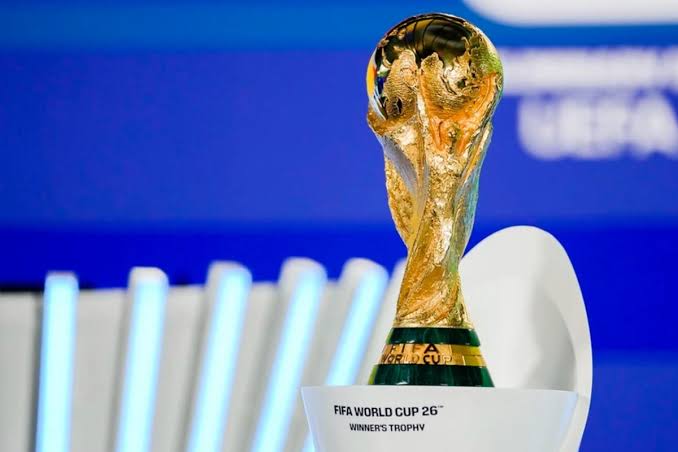
Netflix has secured exclusive broadcasting rights for the 2030 FIFA World Cup in Spain and Andorra, marking a major expansion of the streaming giant’s presence in international men’s football.
Announced on October 13, 2026, the agreement gives Netflix the rights to stream all 104 matches of the tournament live in the two neighbouring territories. The deal represents a significant shift in the way football’s biggest competition may reach audiences, as streaming platforms increasingly compete with traditional television broadcasters for premium sporting events.
According to Netflix’s official announcement, the coverage will include pre-match, half-time and post-match programmes, daily matchday round-ups and additional content in the build-up to the tournament.
The agreement is restricted to Spain and Andorra. It does not mean Netflix has acquired worldwide rights to the 2030 competition, and broadcast arrangements in other countries remain separate.
The deal comes as Netflix continues to invest in live sports to attract viewers, strengthen its subscription offering and broaden its appeal beyond films, television series and documentaries.
All 104 Matches to Stream Live
Under the agreement, Netflix will carry every match of the expanded 48-team tournament in Spain and Andorra, giving subscribers access to the competition from its opening fixtures through to the final.
The company said its coverage would be designed to offer more than the live matches themselves. Pre-game analysis, half-time discussions and post-match reaction will accompany the action, while daily round-up programmes will help viewers follow the tournament’s key developments.
Netflix Chief Content Officer Bela Bajaria said the World Cup brings together sporting passion, national pride and shared cultural memories. She added that the company was excited to bring every match to Spanish and Andorran fans as Spain prepares to host the competition as defending champion.
FIFA Secretary General Mattias Grafström also welcomed the partnership, describing the 2030 edition as a special tournament and expressing the organisations’ shared ambition to bring the competition closer to supporters.
The financial terms of the agreement have not been disclosed.
Reuters reported that the deal marks Netflix’s entry into broadcasting a major men’s international football tournament in Spain. The move places the company in a more direct contest with established television networks that have traditionally delivered World Cup coverage to mass audiences.
Free-to-Air Access Remains Part of the Deal
Despite Netflix’s exclusive rights, the agreement includes provisions intended to keep important matches accessible to viewers who may not subscribe to the streaming service.
Netflix said one match per matchday will be available free of charge in Spain. In addition, a package of matches will be made available to a national free-to-air broadcaster.
That package will include every match involving Spain, both semi-finals and the final. The identity of the broadcaster and further details of the arrangement are expected to be announced closer to the tournament.
The provision is particularly important because the World Cup attracts audiences well beyond dedicated football fans. Matches involving the host country, along with the final stages, often become major national viewing events.
By combining subscription streaming with free-to-air coverage of selected fixtures, the arrangement seeks to balance Netflix’s commercial interests with the need to maintain broad access to one of the world’s most popular sporting competitions.
The deal also reflects a wider challenge facing sports rights holders: how to generate revenue from digital distribution without making major national events inaccessible to significant sections of the public.
As Associated Press reporting carried by Euronews noted, the arrangement gives Netflix all 104 live matches in its designated territories while preserving free television access to key games.
A Historic World Cup Across Six Countries
The 2030 FIFA World Cup will be a landmark edition of the tournament, marking 100 years since the inaugural competition was held in Uruguay in 1930.
Spain, Portugal and Morocco will jointly host the main tournament, while Uruguay, Argentina and Paraguay will stage special centenary matches. The arrangements are designed to honour the origins of the competition and recognise its growth into a global sporting spectacle.
According to FIFA’s official announcement on World Cup media rights, broadcast agreements are negotiated separately across territories. For example, the United Kingdom has already secured free-to-air coverage through the BBC and ITV for the 2030 tournament.
Netflix’s deal therefore covers Spain and Andorra rather than the entire competition worldwide. Viewers in Nigeria, the United Kingdom and other markets will need to follow the rights arrangements applicable to their own countries.
The tournament is scheduled to run from June 8 to July 21, 2030, according to Netflix’s World Cup announcement.
Netflix Expands Its Investment in Live Sports
The World Cup agreement builds on Netflix’s broader strategy of investing in live sports and high-profile sporting events to attract and retain subscribers.
The company has already secured rights to the 2027 and 2031 FIFA Women’s World Cups in the United States and Canada. It has also expanded its live programming in areas including boxing, professional wrestling and other major sporting events.
Netflix’s growing interest in sports reflects a wider shift in the entertainment industry. Streaming companies are increasingly competing for live events because they can attract large audiences at specific times, generate public conversation and encourage subscribers to keep their memberships active.
Football offers particular opportunities because of its international following and the emotional connection between supporters and national teams. Securing the World Cup rights in Spain and Andorra could help Netflix strengthen its position in a market where football is central to the television and entertainment landscape.
However, the deal also brings operational challenges. Delivering 104 live matches requires reliable streaming infrastructure, strong customer support and sufficient capacity to handle large audiences during high-profile fixtures. Viewers will also expect consistent picture quality and coverage that can accommodate different viewing habits.
What the Deal Means for Football Fans
For supporters in Spain and Andorra, Netflix’s agreement promises convenient access to every match through a single streaming platform. Its additional programmes could also give viewers more opportunities to follow the tournament beyond the 90 minutes of play.
Nevertheless, subscription costs, internet access and the availability of free-to-air matches will influence how easily different audiences can watch the competition. The free-match provision and the planned television package will be important in determining how widely the tournament can be accessed.
For fans elsewhere, the announcement does not establish Netflix as the global broadcaster of the 2030 World Cup. Rights holders and viewing options will vary from country to country, making it important for supporters to check local announcements as the tournament approaches.
Conclusion
Netflix’s acquisition of exclusive 2030 FIFA World Cup rights in Spain and Andorra marks a significant development in the changing relationship between streaming platforms and international football.
With all 104 matches set to stream live, supplementary programming planned and free-to-air access preserved for selected fixtures, the agreement combines a subscription-based model with measures intended to maintain broad public access.
The financial terms remain undisclosed, and further details about the free-to-air broadcaster are still to come. However, the deal clearly demonstrates Netflix’s ambition to become a bigger player in live sports.
As the World Cup celebrates its centenary in 2030, the partnership could help shape how millions of fans experience football’s biggest tournament while underscoring that the future of sports broadcasting will increasingly depend on how streaming services and traditional television work alongside, and compete with, one another.