Netanyahu Vows to Intensify Israeli Strikes Against Hezbollah Amid Escalating Border Conflict
Israeli Prime Minister Benjamin Netanyahu says Israel will intensify military strikes against Hezbollah in Lebanon as tensions along the northern border continue to escalate amid fears of a wider regional war.
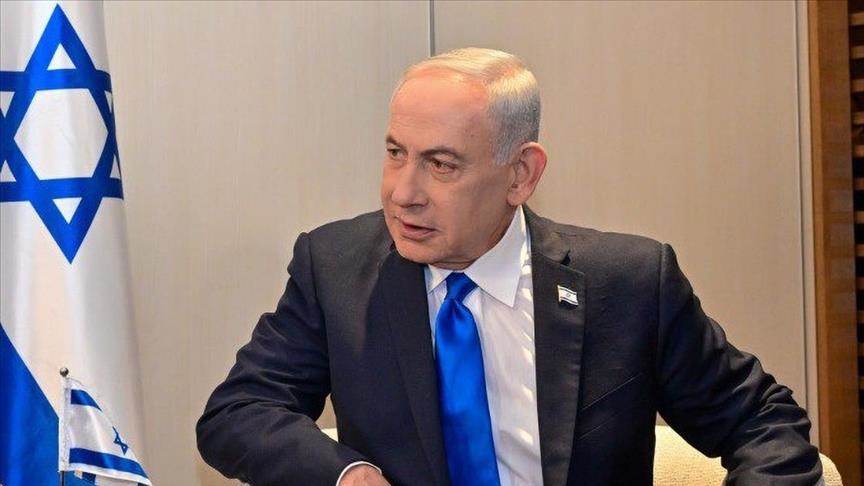
Israeli Prime Minister Benjamin Netanyahu has declared that Israel will intensify its military operations against Hezbollah, signaling a potentially dangerous new phase in the escalating conflict along the Israel-Lebanon border.
Netanyahu’s warning came amid continued cross-border rocket attacks, drone launches, and artillery exchanges between Israeli forces and Hezbollah fighters, raising fears of a broader regional war in the Middle East.
Speaking during a high-level security briefing in Jerusalem on Sunday, the Israeli leader said the military would respond “with increased force and determination” to what he described as ongoing aggression from Hezbollah positions in southern Lebanon.
“We will intensify our strikes against Hezbollah and anyone who threatens the citizens of Israel,” Netanyahu said during televised remarks. “No one should underestimate Israel’s resolve to defend itself.”
The statement immediately heightened international concerns about the possibility of a full-scale confrontation between Israel and the Iran-backed Lebanese group, which is already considered one of the most heavily armed non-state organizations in the world.
Rising Border Violence Fuels Tensions
The latest escalation follows weeks of growing violence along Israel’s northern frontier.
Israeli military officials say Hezbollah has launched repeated rocket and drone attacks targeting Israeli communities and military positions near the Lebanese border.
In response, the Israeli Air Force has carried out airstrikes against what it describes as Hezbollah weapons depots, launch sites, command centers, and militant infrastructure across southern Lebanon.
Residents in border communities on both sides have reportedly fled their homes amid the worsening security situation.
Israeli authorities confirmed that several northern towns remain under emergency restrictions due to fears of additional attacks.
Lebanese officials, meanwhile, accused Israel of intensifying air raids that have caused widespread destruction in border villages and civilian infrastructure.
Netanyahu Signals Expanded Military Campaign
Netanyahu’s latest remarks suggest that Israel may be preparing for a more aggressive military strategy aimed at weakening Hezbollah’s operational capabilities.
Israeli defense officials reportedly held emergency consultations over the weekend to discuss broader operational plans and troop readiness.
According to Israeli media reports, the country’s military leadership believes Hezbollah’s increasing attacks require a stronger deterrent response.
Analysts say Netanyahu’s comments may also reflect mounting domestic pressure within Israel to restore security along the northern border, where repeated attacks have displaced thousands of civilians.
Security experts warn that an expanded Israeli offensive could significantly increase the risk of a wider regional conflict involving Iran and other allied militant groups.
Hezbollah Responds with Defiance
Hezbollah officials responded defiantly to Netanyahu’s threats, saying the group would continue resisting Israeli military operations.
In statements broadcast by Hezbollah-affiliated media outlets, representatives of the organization warned that any major Israeli escalation would be met with “a painful response.”
The group has repeatedly framed its military operations as support for Palestinians amid the broader regional conflict involving Gaza and Israel.
Hezbollah leader Hassan Nasrallah has previously stated that the organization would not stop attacks unless Israeli operations in Gaza come to an end.
International Community Calls for Restraint
The escalating rhetoric from both sides has triggered renewed international calls for restraint.
The United Nations, European Union, and several Arab governments have urged Israel and Hezbollah to avoid actions that could trigger a full-scale war.
UN peacekeeping forces stationed in southern Lebanon under the United Nations Interim Force in Lebanon (UNIFIL) also expressed concern over the deteriorating security situation.
Diplomatic sources say several countries, including France, the United States, and Qatar, are engaged in behind-the-scenes efforts aimed at preventing the conflict from spiraling further.
The United States reaffirmed its support for Israel’s right to self-defense but also called for measures to avoid broader regional escalation.
Humanitarian Concerns Growing
Humanitarian organizations have warned that continued fighting along the Israel-Lebanon border could produce devastating civilian consequences.
Thousands of Lebanese residents have reportedly fled southern villages due to repeated Israeli airstrikes, while Israeli civilians in northern communities remain displaced because of rocket threats.
Aid groups say prolonged conflict risks worsening an already fragile humanitarian situation in Lebanon, which continues to struggle with severe economic and political crises.
Hospitals and emergency services in both countries have also reportedly increased preparedness levels in anticipation of possible escalation.
Iran’s Role Remains Central
Regional analysts say Iran’s support for Hezbollah remains one of the most critical factors shaping the conflict.
Iran has long provided Hezbollah with financial backing, weapons, and military training, making the group one of Tehran’s strongest regional allies.
Israeli officials have repeatedly accused Iran of using Hezbollah as a proxy force to pressure Israel across multiple fronts.
Iranian authorities, however, maintain that Hezbollah acts independently and describe the group as a legitimate resistance movement.
The growing tensions come at a time when diplomatic negotiations between Iran and the United States remain fragile, further complicating the regional security environment.
Israeli Military Readiness Intensifies
The Israeli military has reportedly increased troop deployments near the Lebanese border and placed additional air defense systems on high alert.
Military analysts believe Israel may seek to degrade Hezbollah’s long-range missile capabilities if attacks continue escalating.
Hezbollah is estimated to possess tens of thousands of rockets and missiles, many capable of reaching deep into Israeli territory.
This military capability has long been viewed as one of the most serious security threats facing Israel.
Israeli officials have repeatedly warned that future conflict with Hezbollah would be significantly more destructive than previous confrontations between the two sides.
Fears of Wider Regional Conflict
The escalating confrontation between Israel and Hezbollah is occurring against the backdrop of broader instability across the Middle East.
Ongoing tensions involving Gaza, Iran, Syria, and maritime security in the Gulf region have already heightened fears of a wider regional conflict.
Security analysts warn that miscalculations or uncontrolled escalation along the Israel-Lebanon border could rapidly draw additional actors into the crisis.
Oil markets and global investors are also closely monitoring developments, fearing that further instability could disrupt regional energy infrastructure and international shipping routes.
Conclusion
Netanyahu’s pledge to intensify strikes against Hezbollah marks another dangerous turning point in the increasingly volatile Middle East security landscape.
With cross-border attacks continuing and diplomatic efforts struggling to reduce tensions, fears are mounting that the conflict could expand into a broader regional confrontation.
For now, both Israel and Hezbollah appear determined to maintain pressure on each other, even as international leaders warn of the devastating consequences a full-scale war could bring to the region.