NDLEA Treats 53,843 Drug Users in Five Years as Marwa Calls for More Mental Health Funding
NDLEA Chairman Buba Marwa says the agency has treated 53,843 drug users in five years across 31 rehabilitation centres, urging increased mental health funding and community-based support in Nigeria.
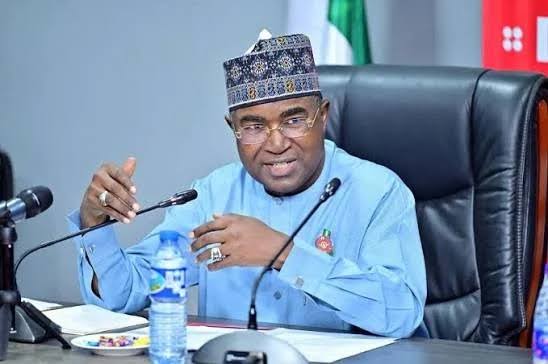
The National Drug Law Enforcement Agency (NDLEA) has treated, counselled and rehabilitated 53,843 people struggling with drug use over the past five years, its Chairman and Chief Executive Officer, Brigadier General Mohamed Buba Marwa (retd.), has disclosed, while calling for increased investment in mental healthcare and rehabilitation services across Nigeria.
Marwa said the figures demonstrated the importance of combining drug enforcement with prevention, treatment and sustained support for people affected by substance use disorders. He made the remarks on Tuesday, October 13, 2026, at the fifth edition of The Conversation Conference, organised by the Intersect Consortium at Nicon Luxury Hotel in Abuja.
According to a statement issued by the NDLEA's Director of Media and Advocacy, Femi Babafemi, the agency chairman stressed that law enforcement alone could not resolve Nigeria's drug problem without addressing the psychological, social and economic factors that contribute to substance abuse.
The NDLEA operates 31 rehabilitation facilities across the country, providing treatment and counselling to people affected by drug use. Marwa described the individuals who had passed through the centres as people whose recovery could help restore families, education and employment.
“Behind that number are fathers returned to their families and young people returned to school and work,” he said.
The disclosure places renewed attention on the treatment side of Nigeria's drug-control strategy, particularly the need to make rehabilitation accessible and reduce the stigma that often prevents affected individuals from seeking professional help. (NDLEA)
Marwa links substance abuse to untreated mental health conditions
The NDLEA chairman warned that substance abuse and mental health challenges frequently reinforce one another, making it necessary for authorities to address both problems together.
According to Marwa, some people turn to drugs while struggling with depression, unresolved trauma, emotional distress or difficult personal circumstances. When these underlying problems remain untreated, recovery can become more complicated and the risk of returning to substance use may persist.
He argued that Nigeria must move beyond treating drug use exclusively as a law-enforcement issue and develop a more comprehensive approach that recognises the role of mental health in prevention and recovery.
“For too long, we treated mental health as a private burden, hidden behind shame and silence,” Marwa said, describing the consequences he encounters through his work at the agency.
He added that simply arresting people or responding to the visible effects of substance abuse would leave important causes unaddressed.
The chairman's position reflects a broader public-health approach in which treatment, psychological support and social reintegration complement efforts to disrupt drug trafficking and distribution.
NDLEA seeks increased funding for mental healthcare
Marwa called on federal and state governments, policymakers and development partners to increase funding for mental health services, arguing that inadequate investment limits access to care.
He urged authorities to recruit more psychiatrists, psychologists, counsellors and community health workers, while integrating mental health services into primary healthcare facilities.
Such integration, he said, would enable people to receive assistance closer to their homes rather than travel long distances to access specialised services.
The proposal is particularly relevant in communities where stigma, financial constraints and limited healthcare infrastructure discourage people from seeking treatment.
Marwa also called for equitable financing to ensure that rehabilitation and mental healthcare are not available only to Nigerians who can afford private services.
“Care that only the well-off can afford is not a system; it is a privilege,” he said.
His appeal highlights the importance of sustainable funding for trained personnel, treatment facilities, counselling programmes and follow-up support for people recovering from substance use disorders.
Community programmes target poverty and drug abuse
Beyond clinical treatment, Marwa said economic hardship and hopelessness can increase vulnerability to substance abuse. He argued that effective prevention must address the circumstances that leave individuals and families exposed to harmful coping mechanisms.
He cited NDLEA initiatives in three pilot communities in Ondo State, where residents who previously depended on illicit cultivation received support to establish lawful sources of income.
The programme, according to Marwa, was developed with community participation rather than imposed on residents. The agency intends to expand the approach nationwide and is seeking partnerships to support its implementation.
The initiative reflects the NDLEA's broader argument that drug prevention requires more than raids and arrests. Creating legitimate livelihood opportunities, strengthening family support and improving access to healthcare can help address some of the social conditions associated with substance abuse.
However, the proposed expansion will require resources, coordination and evidence that the model can deliver sustainable results across different communities.
War Against Drug Abuse campaign continues
Marwa also highlighted the NDLEA's War Against Drug Abuse (WADA) campaign, which raises awareness among young people in schools, tertiary institutions and communities.
The campaign is designed to educate people about the dangers of substance abuse, encourage prevention and direct those who need assistance towards appropriate support services.
The agency also operates a toll-free helpline available around the clock for people seeking help. Such services can provide an important first point of contact for individuals who are reluctant to approach a rehabilitation centre or disclose their difficulties to family members.
Marwa urged government institutions, healthcare providers, educators, security agencies and social welfare organisations to work together, stressing that no single institution can address Nigeria's drug and mental health challenges alone.
He also called for greater attention to women, children, persons with disabilities, survivors of violence and families displaced by conflict, noting that vulnerable groups may face additional barriers to accessing treatment and support.
Recovery requires sustained national commitment
The disclosure that 53,843 people have passed through NDLEA rehabilitation facilities in five years provides an indication of the scale of the agency's treatment activities. However, the figure alone does not establish how many people completed treatment, remained in recovery or received long-term follow-up care.
Those distinctions matter when evaluating the effectiveness of rehabilitation programmes. Sustainable recovery can depend on continued counselling, family involvement, access to employment and education, and the availability of mental health services after formal treatment ends.
The latest appeal from Marwa therefore places two priorities before policymakers: maintaining effective enforcement against illicit drug supply while strengthening prevention and treatment for people affected by substance use.
Increased funding, more trained professionals and accessible community-based services could help close gaps in the healthcare system, provided the measures are adequately implemented and monitored.
Conclusion
The NDLEA's treatment of 53,843 people over five years highlights the growing importance of rehabilitation within Nigeria's response to drug abuse. Marwa's latest appeal calls for a stronger national commitment to mental healthcare, affordable treatment and community-led prevention.
His message is that enforcement and rehabilitation should work together, rather than operate as competing approaches. Addressing untreated psychological distress, reducing stigma and creating opportunities for vulnerable communities could strengthen efforts to prevent substance abuse and support recovery.
The challenge now is to translate the agency's call for increased investment into accessible services, sustained funding and measurable improvements in the lives of affected Nigerians. (Vanguard)