Mount Dukono Disaster: Three Dead After Volcano Erupts on Indonesian Island
Three hikers have died after Mount Dukono erupted in Indonesia’s North Maluku province. Here’s what happened, why the volcano remains dangerous, and what the tragedy means for volcano tourism and disaster preparedness.
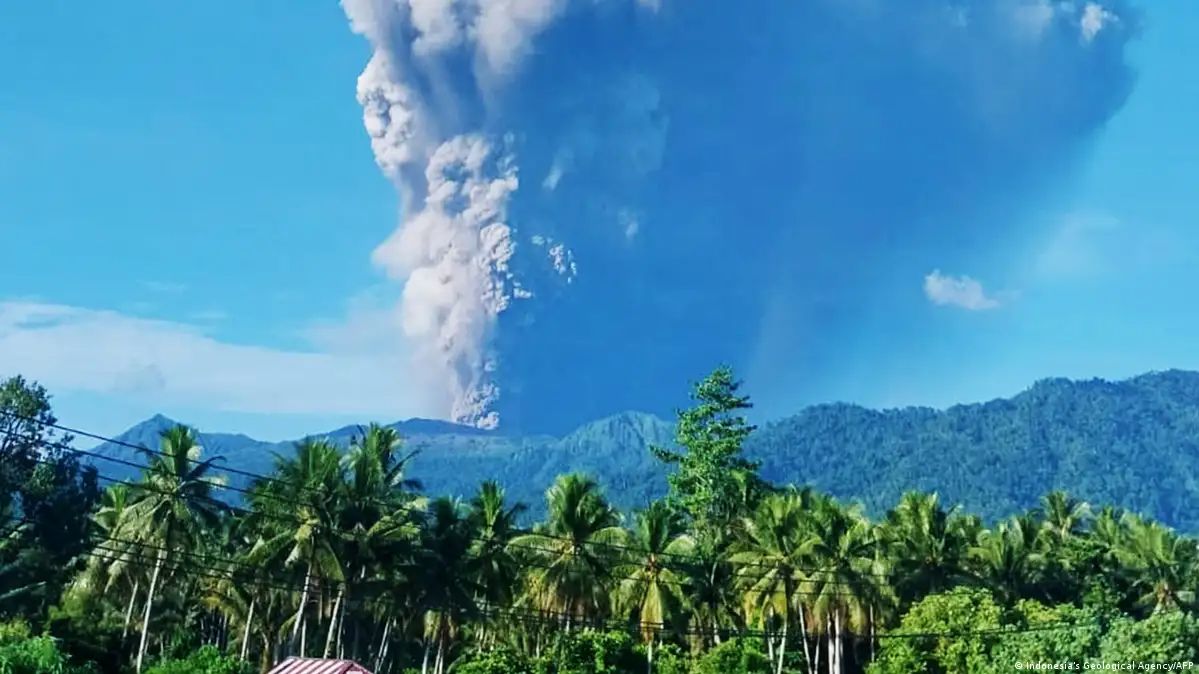
At least three people have died after Mount Dukono, one of Indonesia’s most active volcanoes, erupted violently on Halmahera Island in North Maluku province, triggering a major rescue operation and renewed concerns about volcanic tourism safety in Southeast Asia.
The eruption occurred early Friday morning as a group of hikers climbed the volcano despite official restrictions and warning advisories issued by Indonesian authorities. Massive columns of ash reportedly shot nearly 10 kilometres into the sky while volcanic material rained down across parts of the mountain. (Al Jazeera)
Authorities confirmed that the victims included two Singaporean nationals and one Indonesian citizen. Rescue teams managed to evacuate most of the surviving hikers, although dangerous volcanic activity temporarily forced search operations to stop. (The Guardian)
The tragedy has once again highlighted the deadly risks associated with Indonesia’s volcanoes, particularly as adventure tourism grows across the country’s volcanic regions.
What Happened on Mount Dukono?
According to Indonesian police and emergency officials, approximately 20 hikers were on the slopes of Mount Dukono when the volcano erupted around 7:40 a.m. local time. The climbers had reportedly entered a restricted “no-go” zone near the crater despite repeated warnings from authorities. (AP News)
Videos shared online showed a massive ash cloud rising high above the volcano while hikers scrambled for safety amid falling ash and debris. (The Weather Channel)
Police chief Erlichson Pasaribu said most of the climbers were rescued successfully, but recovery efforts for the deceased were complicated by continuing eruptions, thick ash, toxic gases, and unstable volcanic terrain.
Indonesia’s volcanology agency had already placed Mount Dukono on heightened alert status and prohibited climbing near the crater weeks before the eruption due to increased volcanic activity. Authorities warned residents and tourists to remain at least four kilometres away from the active crater area.
Officials are now investigating whether tourism operators or guides ignored safety regulations by allowing the trek to continue despite the warnings. (The News International)
One of Indonesia’s Most Dangerous Volcanoes
Mount Dukono is located on Halmahera Island in eastern Indonesia and is among the country’s most consistently active volcanoes.
The volcano has reportedly been erupting continuously since 1933, making it one of the longest continuously erupting volcanoes in the world. (Wikipedia)
Indonesia sits along the Pacific “Ring of Fire,” a region known for intense seismic and volcanic activity caused by tectonic plate movements. The country has more active volcanoes than any other nation on Earth. (Reuters)
Mount Dukono itself has experienced nearly 200 eruptions or explosive events since March 2026 alone, according to Indonesian disaster monitoring agencies. (The News International)
Experts say the volcano can erupt suddenly with little warning, making it especially dangerous for climbers and tourists seeking close-up experiences.
Why Volcano Tourism Is Growing
Despite the risks, volcano tourism has become increasingly popular in Indonesia over the past decade.
Tourists from around the world travel to Indonesian volcanoes for hiking, photography, sunrise treks, and social media content. Famous volcanoes such as Mount Bromo, Mount Rinjani, and Mount Ijen attract millions of visitors annually. (Wikipedia)
Adventure travel influencers and viral online videos have also encouraged more tourists to seek dramatic volcanic landscapes, sometimes pushing beyond official safety limits.
Indonesian disaster expert Daryono warned that social media has distorted public perceptions of volcanic danger.
According to reports, he said many tourists only see successful hiking videos online while failing to understand the unpredictable and deadly nature of active volcanoes.
Authorities believe this may have contributed to the Mount Dukono tragedy, as some hikers allegedly ignored warning signs and climbing bans to continue the trek. (The Times)
A Pattern of Deadly Eruptions
The Dukono disaster is not an isolated event.
Indonesia has experienced multiple deadly volcanic incidents in recent years involving tourists and hikers.
In 2023, Mount Marapi in West Sumatra erupted suddenly, killing 24 hikers after they became trapped near the crater.
Mount Lewotobi Laki-Laki also caused fatalities and widespread evacuations during powerful eruptions in 2024 and 2025.
Experts say these repeated disasters reveal growing challenges in balancing tourism promotion with public safety enforcement.
Indonesia’s volcanoes are economically important because they attract tourism revenue, but enforcing restrictions in remote mountain regions remains difficult.
What This Means for Indonesia
The Mount Dukono eruption could lead to stricter safety measures across Indonesia’s volcanic tourism sector.
Authorities are already facing questions about enforcement failures, guide accountability, and whether enough monitoring systems were in place before the tragedy occurred.
Analysts expect Indonesia’s government to review trekking permit systems, volcano warning communication, and tourist access rules following the incident.
There may also be increased pressure on local authorities to crack down on illegal climbs into restricted volcanic zones.
For Indonesia’s tourism industry, the disaster presents a delicate challenge.
The country relies heavily on international tourism revenue, but repeated deaths involving tourists could damage Indonesia’s reputation as a safe adventure destination if safety standards are not strengthened.
Wider Implications for Global Disaster Preparedness
The eruption also highlights broader concerns about disaster preparedness in countries located within major geological risk zones.
Climate experts and geologists say volcanic eruptions are difficult to predict with complete accuracy, even with modern monitoring technology.
Rapid eruptions like the one at Dukono show how quickly situations can become deadly, especially in remote areas where emergency evacuation is difficult. (Reuters)
The incident may encourage other countries with active volcano tourism industries — including Japan, Iceland, the Philippines, and parts of Latin America — to reassess safety protocols for adventure tourism.
Emergency response systems, early warning alerts, and public education campaigns are likely to become even more important as tourism to high-risk natural sites continues growing worldwide.
A Stark Reminder of Nature’s Power
For now, Mount Dukono remains highly active, with Indonesian authorities warning people to stay far from the crater while monitoring continues. (AP News)
The deaths of the hikers serve as a tragic reminder that active volcanoes remain unpredictable forces of nature, no matter how familiar or accessible they may appear online.
As rescue teams continue operations and investigations move forward, Indonesia faces renewed pressure to balance adventure tourism with the realities of living on one of the world’s most volcanically active regions.