Morocco Crowned AFCON Champions Despite Final Defeat
Morocco awarded AFCON 2025 title despite losing the final to Senegal after CAF ruling. Explore why the decision was made and its far-reaching implications for African football governance and credibility.
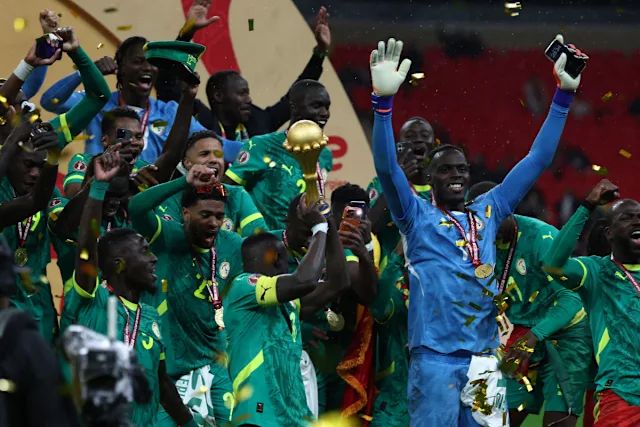
In one of the most controversial decisions in African football history, the Confederation of African Football (CAF) awarded Morocco the 2025 Africa Cup of Nations (AFCON) title despite the team losing 1 - 0 to Senegal in the final.
The ruling, announced on March 17, 2026, overturned the on-field result and declared Morocco 3 - 0 winners after CAF determined that Senegal had forfeited the match. (Reuters)
The decision has sparked outrage, raised questions about governance, and ignited debate about the future of African football.
What Happened in the AFCON Final?
The final, played on January 18, 2026, in Rabat, saw Senegal defeat Morocco 1 - 0 in extra time. However, the match was marred by controversy.
Late in regulation time, Senegalese players walked off the pitch in protest after a disputed penalty was awarded to Morocco following a VAR decision. Although the players returned after approximately 14 - 15 minutes and completed the match, eventually winning, CAF later ruled that their temporary withdrawal constituted a breach of tournament regulations. (Wikipedia)
Under Articles 82 and 84 of CAF’s rules, leaving the field without authorization can be deemed a forfeit offense. Based on this, CAF’s Appeal Board overturned the result and awarded Morocco a 3 - 0 victory. (Anadolu Ajansı)
Why CAF Awarded Morocco the Title
CAF’s decision rests on a strict interpretation of its disciplinary code.
1. Rule Enforcement Over Match Outcome: CAF argued that Senegal’s walk-off constituted a clear violation of competition rules, even though they returned and won the game. By rule, a team that abandons a match even temporarily risks forfeiture.
2. Protecting Tournament Integrity: The governing body emphasized that allowing such actions to go unpunished would set a dangerous precedent. The chaotic nature of the final, including protests and crowd unrest, had already been described as damaging to the image of African football. (The Times of India)
3. Legal Grounds for Appeal: Morocco’s football federation filed a formal appeal, arguing that the walk-off invalidated the match. CAF upheld this appeal, reinforcing its commitment to regulatory compliance over subjective interpretation of events.
Why the Decision Is Controversial
Despite CAF’s justification, the ruling has triggered widespread backlash.
1. Overturning an On-Field Result: Critics argue that changing a match result after it has been completed undermines the essence of sport. Senegal scored the winning goal and completed the match, making the reversal appear arbitrary.
2. Timing of the Decision: CAF’s ruling came nearly two months after the final, raising questions about procedural transparency and consistency. (The Guardian)
3. Claims of Bias and Political Influence: Senegal’s football authorities and government have condemned the decision as unjust and politically influenced, even calling for an international investigation. (Sky Sports)
4. Expert Criticism: Veteran coach Claude Le Roy described the ruling as “absurd,” noting that the walk-off duration did not clearly meet forfeiture thresholds. (Le Monde.fr)
What This Means for African Football
The implications of this decision extend far beyond Morocco and Senegal.
1. Credibility Crisis for CAF: The controversy has severely damaged the credibility of the Confederation of African Football. Observers argue that inconsistent decision-making, perceived favoritism, and lack of transparency are eroding trust in African football’s governing structures. (Le Monde.fr)
For international audiences and sponsors, such controversies reinforce long-standing concerns about governance on the continent.
2. Legal Battles Ahead: Senegal has already announced plans to appeal the decision at the Court of Arbitration for Sport (CAS).
If overturned, it would further expose weaknesses in CAF’s disciplinary framework. If upheld, it could set a precedent where administrative rulings override on-field results more frequently.
3. Dangerous Precedent for Future Competitions: CAF’s ruling establishes a critical precedent: matches can be decided off the pitch long after they are played. This raises concerns that the teams may exploit technicalities, appeals could become a strategic tool, and the outcomes may no longer be considered definitive. Such uncertainty could destabilize tournament integrity.
4. Impact on Player and Fan Confidence: The backlash from fans, particularly in Senegal, has been intense, with many describing the decision as unjust and damaging. For players, the ruling sends a troubling message: performance on the pitch may not guarantee victory. This could affect morale, trust in refereeing systems, and overall confidence in CAF competitions.
5. Africa’s Global Football Image at Stake: African football has made significant strides in recent years, including strong performances at global tournaments and growing international investment. However, controversies like this risk undoing that progress. Global stakeholders, including sponsors, broadcasters, and international federations, closely monitor governance standards. Decisions perceived as inconsistent or politically influenced could deter investment and reduce the continent’s footballing influence.
6. Renewed Calls for Reform: The incident has reignited calls for structural reform within CAF, including greater transparency in disciplinary decisions, independent review panels, and clearer and more consistent application of rules.
Critics argue that without reform, similar controversies will continue to undermine sport.
Morocco’s “Bittersweet” Victory
For Morocco national football team, the title marks their first AFCON triumph since 1976, a historic achievement. Yet the circumstances have made the victory bittersweet. While Moroccan fans celebrated the ruling as “justice,” the lack of a decisive on-field victory has left the title clouded in controversy. (Reuters)
Conclusion
Morocco’s AFCON triumph, awarded despite losing the final, represents one of the most contentious moments in African football history.
At its core, the controversy highlights a fundamental tension between rules and reality: should strict regulatory enforcement override what happens on the pitch?
CAF’s decision has answered that question at least for now. But the broader consequences are still unfolding. From legal challenges to reputational damage, the fallout from this ruling could shape the future of African football for years to come.