Mojtaba Khamenei: Emergence of Iran’s New Supreme Leader
Iran has appointed Mojtaba Khamenei as its new Supreme Leader amid war and political upheaval. Here is who he is, how he was chosen, and the implications for Iran’s future.
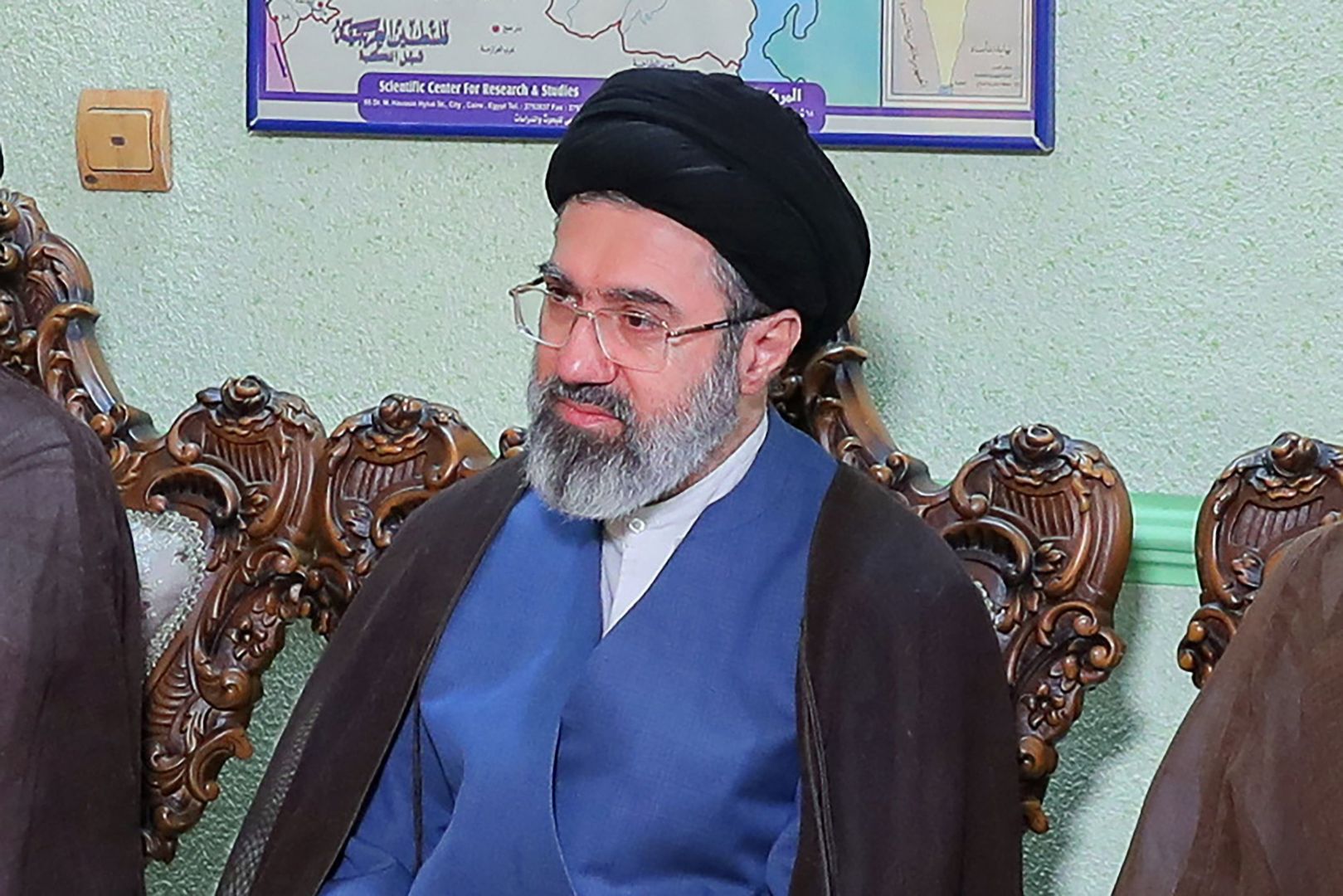
In a historic and controversial turn of events, Iran’s Assembly of Experts has appointed Mojtaba Khamenei as the country’s new Supreme Leader, following the death of his father, Ayatollah Ali Khamenei, in late February during a conflict involving the United States and Israel. The decision, announced on March 8, 2026, marks the first dynastic transition in the Islamic Republic since its founding after the 1979 revolution. (Khaleej Times)
Mojtaba, the second son of the late leader, assumes the highest authority in Iran amid one of the most turbulent periods in the nation’s modern history. His rise to power has significant domestic, regional, and global implications that extend far beyond Tehran. (AL-Monitor)
A Rapid Succession Amid War
The transition unfolded rapidly, less than two weeks after the assassination of Ayatollah Ali Khamenei in U.S.–Israeli strikes that triggered a broader war across the Middle East. Iran’s Assembly of Experts, a clerical body traditionally responsible for selecting the Supreme Leader, convened and appointed Mojtaba by a decisive vote.
Although Iran’s political philosophy historically rejects hereditary rule, Mojtaba’s appointment effectively continues his father’s legacy within a system that has, until now, avoided straightforward father‐to‐son succession. Many analysts view this shift as a significant departure from the intent of the 1979 Islamic Revolution, which overthrew monarchical rule. (The National)
Who Is Mojtaba Khamenei?
Mojtaba Khamenei, 56, is a mid-ranking cleric who has spent years cultivating influence within Iran’s political and security establishment, particularly the Islamic Revolutionary Guard Corps (IRGC). Unlike his father, he has never held elected office or served in high governmental roles, instead operating largely behind the scenes within his father’s inner circle.
Sources describe him as having close ties to Iran’s security forces and conservative clerical factions who view him as a staunch defender of the Islamic Republic’s ideological foundations. This connection has bolstered his position within the Assembly of Experts and among hardline supporters.
Observers note that Mojtaba’s religious credentials-while significant-don’t necessarily match those of top Shia jurists traditionally considered suitable for the role. Critics have raised questions about theological legitimacy, arguing that religious authority should be a key qualification for the position. (Reddit)
Domestic Backing and Pledges of Loyalty
Iran’s political and security elite quickly rallied behind the new leader. President Masoud Pezeshkian praised the appointment as the beginning of a “new era of dignity and strength” and a demonstration of national unity, while Foreign Minister Abbas Araghchi and other officials pledged loyalty to Mojtaba.
The defense council also declared its commitment to follow orders “until the last drop of our blood,” reflecting solid support from the military establishment amid ongoing conflict.
This swift consolidation of authority suggests that key institutions in Iran’s power structure, particularly the IRGC and clerical establishment, intend to maintain continuity with the policies and ideological direction established by Ali Khamenei.
Regional and Global Reactions
Mojtaba Khamenei’s appointment has drawn mixed reactions on the global stage. Russian President Vladimir Putin expressed “unwavering support,” emphasizing strategic partnership with Iran during regional turmoil.
In contrast, U.S. President Donald Trump sharply criticized the choice, calling Mojtaba an “unacceptable” leader and making clear he would have preferred a different successor more amenable to negotiations.
Some Western officials and analysts fear that Mojtaba’s rise could intensify Iran’s hardline stance, reduce the likelihood of diplomatic compromise, and potentially prolong the conflict. Others argue that his leadership may reinforce Iran’s resistance to Western pressure, particularly if the U.S. and its regional allies continue military operations in the Gulf. (The Guardian)
Political and Ideological Implications
Mojtaba’s appointment has sparked debate within Iran and among scholars about the nature of political power in the Islamic Republic. Critics argue that placing a son in the highest office resembles a hereditary succession more reminiscent of a monarchy than the republic established after 1979, a point highlighted by human rights advocates and political commentators.
Supporters counter that Mojtaba’s elevation was legally conducted through the Assembly of Experts and reflects the will of the clerical establishment at a critical moment for the nation.
Most analysts, however, agree that this transition consolidates hardline control in Tehran, potentially limiting internal reform efforts and reinforcing conservative policies both domestically and abroad.
Strategic Impact on the Ongoing Conflict
Since the war’s outbreak, Iran has targeted energy infrastructure throughout the Gulf, and attacks have extended to multiple countries, including the UAE, Bahrain, and Saudi Arabia. These actions have contributed to sharp fluctuations in global oil prices.
Under Mojtaba’s leadership, Tehran’s military posture may remain confrontational, as he enjoys strong backing from military elites and conservative ideologues who prioritize resistance over negotiation. Some analysts suggest this could prolong the conflict and heighten regional instability. (AP News)
What Lies Ahead
Iran now enters a new chapter under its third Supreme Leader. Mojtaba Khamenei faces the enormous challenge of steering a nation rocked by war, economic strain, and internal pressure for reform. How he balances hardline priorities with domestic stability and international diplomacy will shape Iran’s trajectory in the coming months and years.
While his ascent consolidates ideological continuity with his father’s leadership, it also raises fundamental questions about the future of Iran’s political system and its role in an increasingly volatile region.