Mike Igini Writes Trump, Seeks US Sanctions Against Nigerian Election Riggers Ahead of 2027 Polls
Former INEC commissioner Mike Igini has written to Donald Trump, seeking US visa bans, asset freezes and other sanctions against Nigerian officials involved in election rigging ahead of the 2027 elections.
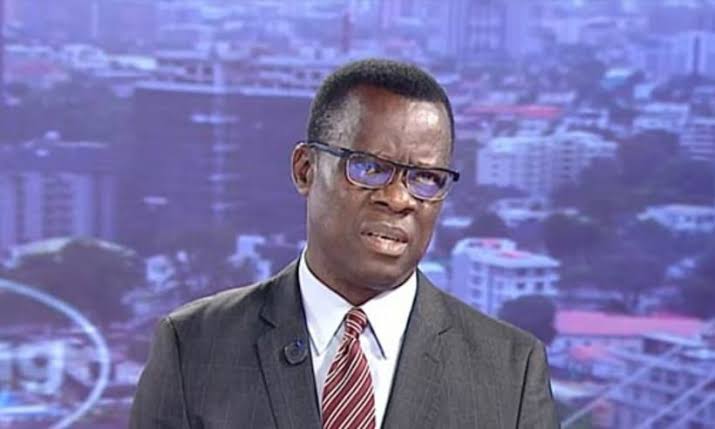
Former Resident Electoral Commissioner of the Independent National Electoral Commission (INEC), Mike Igini, has written to United States President Donald Trump, urging his administration to impose targeted sanctions against Nigerian electoral officials, judges and security personnel found responsible for election manipulation ahead of the 2027 general elections.
In a letter dated November 13, 2026, Igini called for visa restrictions, financial sanctions and asset freezes against individuals whose involvement in electoral fraud is established through credible evidence and who meet the applicable legal requirements.
The former electoral commissioner also urged Washington to engage Nigerian political leaders and electoral institutions before the polls, support independent election monitoring and make clear that electoral malpractice would carry personal consequences.
His proposal, contained in a letter titled “No Mandate from Fraud Election 2027: A Policy Using Electoral Integrity to Reduce Illegal Immigration from Nigeria,” seeks to connect electoral accountability with broader efforts to address Nigeria's governance challenges and the growing number of citizens seeking opportunities abroad.
Igini proposes 'No Mandate from Fraud' doctrine
At the heart of Igini's appeal is a proposed policy he calls the 'No Mandate from Fraud' doctrine.
He wants the Trump administration to publicly announce before Nigeria's 2027 presidential election that it will not conduct business as usual with individuals or governments whose authority is established through electoral fraud.
According to him, the policy should combine preventive diplomacy, independent monitoring and targeted accountability rather than relying solely on statements of concern after disputed elections.
Igini argued that the United States, working with European partners, should issue an early warning to INEC officials and other personnel involved in conducting the elections that deliberate manipulation of results, falsification of electoral records and other serious electoral offences would attract individual sanctions.
He specifically identified the INEC chairman, national commissioners, resident electoral commissioners and ad hoc election personnel recruited from federal agencies and universities as important actors whose conduct would determine the credibility of the electoral process.
He proposed that officials found culpable should face visa restrictions and, where legally justified, targeted financial sanctions and asset freezes.
The former commissioner also suggested that consequences could extend to immediate family members where applicable under the relevant legal framework.
Judges and security personnel included in proposed sanctions
Igini's proposal goes beyond officials directly involved in election administration.
He called for accountability measures against judicial officers whose deliberate corruption or misconduct is established by credible evidence and found to have undermined electoral justice.
While acknowledging that judicial independence is fundamental to democracy, he warned that it should not become protection for corruption or the deliberate subversion of justice in election disputes.
He also urged the United States to consider sanctions against senior security officers and commanders who authorise or facilitate voter intimidation, electoral violence, unlawful suppression of opposition activities or manipulation of election outcomes.
The agencies mentioned in his letter include the Nigeria Police Force, Department of State Services, Armed Forces and Nigeria Security and Civil Defence Corps.
Igini maintained that security institutions should protect citizens and enforce the law impartially rather than serve the interests of politicians.
He expressed concern about political violence and thuggery, arguing that the conduct of security personnel would be particularly important in ensuring peaceful campaigns and credible voting.
His proposal, therefore, seeks to make accountability extend across the institutions responsible for conducting elections, enforcing the law and resolving electoral disputes.
Igini links electoral malpractice to illegal migration
A major argument in the letter is that Nigeria's electoral problems are connected to the country's economic and governance challenges, which contribute to migration.
Igini argued that persistent electoral malpractice, corruption, insecurity and weak public accountability have undermined public confidence in government and contributed to the conditions compelling many Nigerians to seek opportunities abroad, including in the United States.
He maintained that border enforcement alone cannot address the underlying reasons people leave their country.
According to him, credible elections can help Nigerians choose leaders capable of improving the economy, strengthening public institutions and creating opportunities at home.
He argued that Nigeria possesses enormous human and natural resources, including oil, gas and a talented population, but has failed to translate its potential into widespread prosperity because of weaknesses in its leadership recruitment process.
“Credible elections produce good leaders. Good leaders fix the economy. When Nigeria works, Nigerians will stay home and build their country. Many in the US diaspora will return,” he wrote.
Igini acknowledged that migration has multiple causes but maintained that legitimate leadership and accountable governance are important foundations for sustainable development.
Calls for US diplomatic intervention and election monitoring
Beyond sanctions, Igini recommended that Trump dispatch a senior American delegation to Nigeria ahead of the 2027 elections.
The proposed delegation would engage President Bola Tinubu, presidential and governorship candidates, INEC, political parties and other relevant stakeholders.
He said the engagement should communicate Washington's position on credible elections, peaceful political competition and respect for constitutional rights.
Igini also called for stronger support for credible domestic and international election observers to monitor the electoral process before, during and after voting.
He identified voter intimidation, the impartial conduct of security personnel, publication of polling-unit results, transparent collation and the resolution of electoral disputes as areas requiring particular attention.
The former commissioner argued that independent monitoring, combined with preventive diplomacy and evidence-based sanctions, could discourage electoral offences and improve public confidence in democratic institutions.
Implications for Nigeria-US relations
Igini presented his proposal as beneficial not only to Nigeria but also to American interests.
He argued that a more democratic and accountable Nigeria would become a stronger partner for the United States in tackling terrorism, organised crime, regional insecurity and other challenges affecting Africa.
He also identified improved economic cooperation, particularly in the energy sector, as a possible benefit of stronger governance.
According to him, American companies could provide technology and expertise to Nigerian governments committed to improving electricity supply and diversifying energy sources.
He further argued that Washington should avoid legitimising or funding governments that lack the consent of their citizens.
However, the proposed sanctions remain a recommendation made by Igini. There is no indication in the reported letter that the Trump administration has adopted the proposed doctrine or announced sanctions against Nigerian officials.
2027 elections and the demand for accountability
Igini's intervention comes as political parties, electoral institutions and other stakeholders prepare for Nigeria's next general elections.
The 2027 polls will test the country's ability to strengthen public confidence in its democratic institutions, particularly amid continuing debates about electoral transparency, security and the credibility of election results.
His proposal has also raised questions about the role foreign governments should play in discouraging electoral malpractice in sovereign countries.
While international pressure can draw attention to abuses and encourage accountability, any sanctions would have to comply with applicable legal requirements and be supported by credible evidence.
For Nigeria, the ultimate responsibility for credible elections remains with its electoral institutions, political parties, security agencies, judiciary and citizens.
Igini's central message to Trump is that action should come before the elections rather than after a disputed outcome creates another political crisis.
Whether Washington adopts his recommendations remains to be seen. Nevertheless, the letter has brought renewed attention to the importance of electoral integrity and the consequences of undermining the democratic choices of Nigerian voters.