Middle East on Edge as Iran Vows to Destroy Regional Infrastructure if Trump Carries Out Threat
Iran warns it will destroy U.S.-linked energy and water infrastructure across the Middle East if Donald Trump follows through on threats to strike Iranian power plants, escalating fears of a wider regional war.
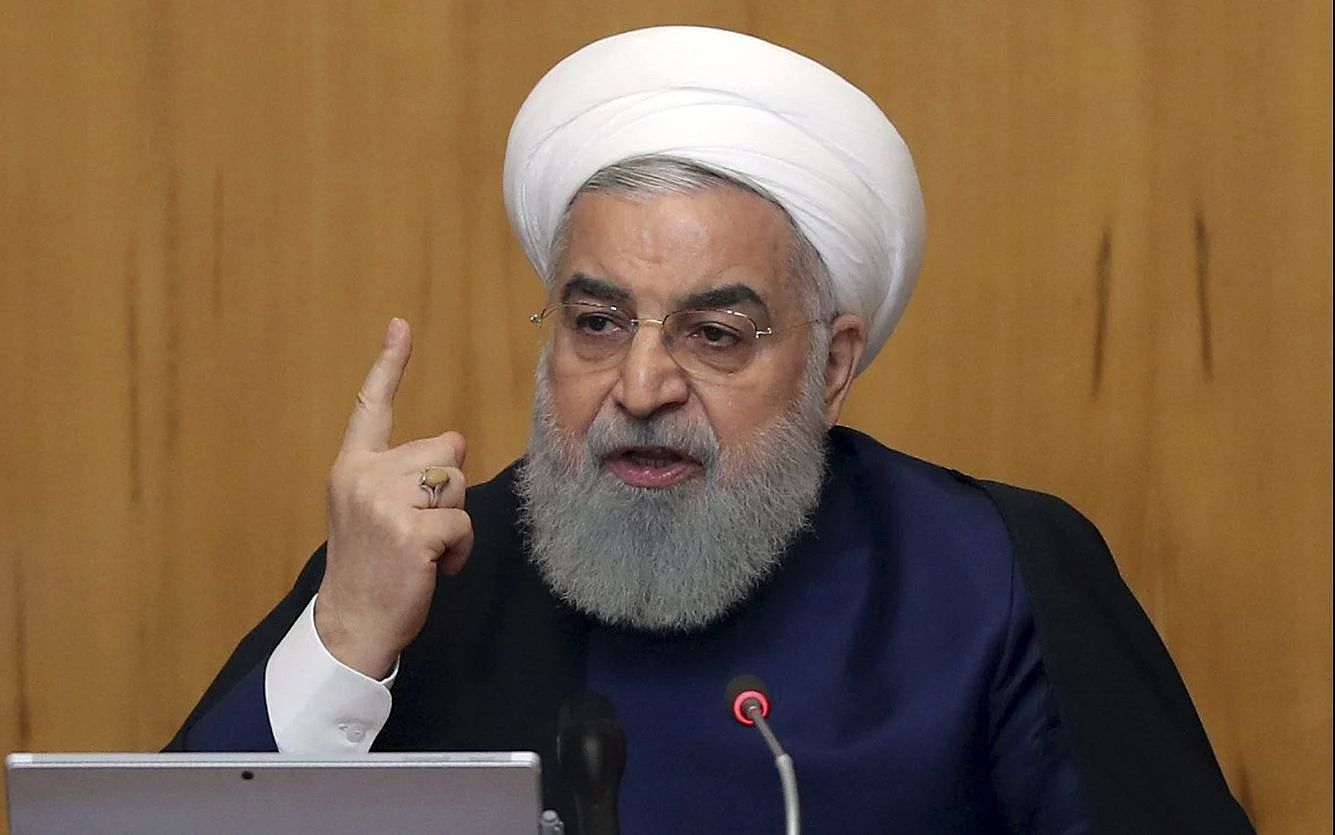
Tensions in the Middle East have reached a dangerous new peak as Iran issued a sweeping and aggressive response to U.S. President Donald Trump’s ultimatum over the Strait of Hormuz. Following Trump’s threat to “obliterate” Iranian power plants if the strategic waterway is not fully reopened, Tehran has vowed to retaliate by targeting critical infrastructure across the region.
The exchange of threats has raised fears of a full-scale regional conflict, with global energy security, civilian infrastructure, and international stability hanging in the balance.
Iran’s Stark Warning: “Irreversible Destruction”
Iran’s leadership responded swiftly and forcefully to Trump’s ultimatum. Senior officials, including military commanders and political leaders, warned that any U.S. strike on Iranian energy facilities would trigger widespread retaliation.
According to multiple reports, Iran has pledged to “irreversibly destroy” key infrastructure across the Middle East, including energy plants, desalination facilities, and other essential systems relied upon by millions. (The Guardian)
This warning marks a significant escalation, as it expands potential targets beyond military installations to include civilian-linked infrastructure critical to daily life.
Targeting Energy and Water Systems
Iran’s threats are not limited to oil facilities. Officials have specifically warned that water desalination plants, power stations, and energy supply networks across the Gulf could become targets if the U.S. follows through on its threat. (Fortune)
Such infrastructure is vital in many Middle Eastern countries, particularly in Gulf states, where desalination provides most of the drinking water. Attacks on these systems could trigger humanitarian crises, including water shortages and power outages affecting millions.
Iran’s Revolutionary Guards reinforced this stance, declaring that energy infrastructure tied to U.S. allies would be considered legitimate targets. (Reuters)
Threat to Close the Strait of Hormuz Completely
In addition to targeting infrastructure, Iran has doubled down on its threat to shut down the Strait of Hormuz entirely if attacked.
Officials stated that the waterway would be “completely closed” and remain shut until Iran’s damaged infrastructure is restored.
The Strait of Hormuz is one of the world’s most critical oil transit routes, with roughly one-fifth of global oil supply passing through it. A full closure would send shockwaves through global markets and disrupt energy supplies worldwide.
Expansion of Targets: U.S. and Allied Interests
Iran has also broadened its list of potential targets to include U.S. military bases, Israeli infrastructure, and energy facilities in Gulf states hosting American forces.
Officials warned that companies and facilities linked to U.S. interests could face destruction, signaling a willingness to escalate the conflict beyond direct U.S.-Iran confrontation.
This strategy reflects Iran’s broader regional posture, leveraging its influence and reach across multiple countries to increase pressure on Washington and its allies.
Military Escalation Already Underway
The rhetoric has been accompanied by real military activity. Reports indicate that Iran has already launched missile strikes targeting regional locations, including Israeli cities and strategic sites. (The Washington Post)
At the same time, the United States has increased its military presence in the region, deploying additional troops, fighter jets, and naval assets, signaling readiness for possible confrontation.
The situation has evolved from a war of words into a volatile standoff with active military dimensions.
Humanitarian and Legal Concerns
The potential targeting of civilian infrastructure has drawn concern from humanitarian organizations and legal experts.
Critical systems such as electricity grids and water facilities are essential for civilian survival. Analysts warn that deliberate attacks on such infrastructure could violate international law and potentially constitute war crimes due to their predictable impact on civilian populations.
The risks are particularly acute in densely populated areas and regions already facing resource constraints.
Global Energy Markets and Economic Fallout
The escalating standoff is already affecting global markets. Disruptions in shipping and fears of further escalation have driven volatility in oil prices and energy supply chains.
Energy companies in the Gulf have begun adjusting operations in response to the crisis, while shipping routes remain uncertain.
A prolonged conflict or a direct strike on infrastructure could trigger a global energy crisis, with ripple effects on inflation, transportation, and economic stability worldwide.
Diplomatic Efforts Struggle to Gain Traction
Despite the escalating tensions, diplomatic efforts to de-escalate the crisis have made little progress. International actors, including the United Nations and European nations, have called for restraint and dialogue.
However, both Washington and Tehran have maintained hardline positions, with neither side showing signs of backing down.
Iran has framed its response as defensive, arguing that U.S. threats against civilian infrastructure cross a red line, while the U.S. maintains that securing the Strait of Hormuz is essential for global stability.
Strategic Calculations: Brinkmanship or War?
Analysts suggest that both sides are engaged in high-stakes brinkmanship.
For the U.S., the threat aims to force Iran into reopening the Strait of Hormuz and curbing its regional influence. For Iran, the response is designed to deter attacks by raising the cost of escalation to unacceptable levels.
However, this strategy carries enormous risks. Miscalculation or unintended escalation could rapidly spiral into a broader regional war involving multiple countries and non-state actors.
Conclusion: A Region on the Brink
Iran’s response to Trump’s ultimatum has transformed an already volatile situation into a potential flashpoint for a wider Middle East conflict.
By vowing to destroy critical infrastructure across the region, Tehran has signaled that any attack on its territory will be met with far-reaching and devastating consequences.
With the Strait of Hormuz at the center of the الأزمة, the States extend far beyond the Middle East. Global energy markets, international security, and millions of civilian lives could all be affected by what happens next.