Middle East Crisis Could Push 10.4 million in West & Central Africa Into Hunger - WFP Warns of Looming Food Emergency
The World Food Programme warns that 10.4 million people in West and Central Africa risk acute hunger due to the Middle East conflict. Here’s what it means for Africa and global food security.
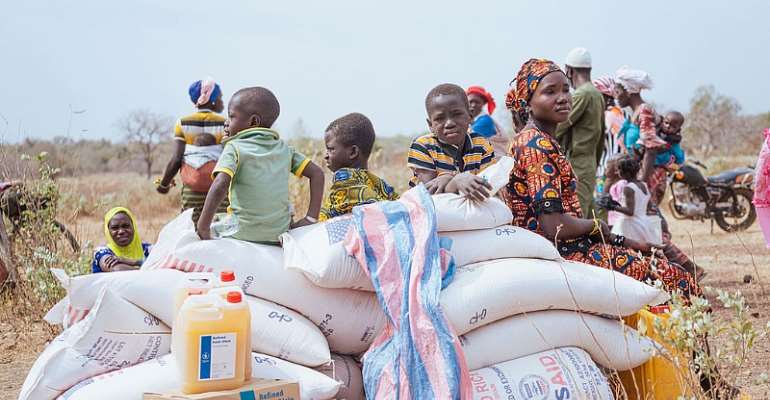
A deepening crisis in the Middle East is now threatening to trigger a major food security emergency in Africa, with the United Nations World Food Programme (WFP) warning that 10.4 million people in West and Central Africa could fall into acute hunger in the coming months.
The warning underscores how conflicts far beyond the continent’s borders are increasingly shaping Africa’s economic stability, food systems, and humanitarian outlook.
The WFP Warning: A Growing Crisis
According to the latest projections by the World Food Programme, 12 countries across West and Central Africa are at risk, with food insecurity expected to surge by 21 percent if current global conditions persist. (World Food Programme)
The agency noted that the region could see a dramatic spike in hunger levels during the June–August 2026 lean season, a period when food stocks are traditionally low.
Overall, the number of food-insecure people in the region could rise to as high as 55 million, marking one of the worst hunger crises in recent history. (ThinkBusiness Africa)
How the Middle East Conflict Is Driving Hunger
While West and Central Africa already face long-standing challenges such as conflict, climate change, and poverty, the escalating Middle East crisis - particularly tensions involving Iran, Israel, and global powers - is worsening the situation.
The WFP identifies several key channels through which the crisis is affecting Africa:
1. Rising Energy Prices
The Middle East remains central to global oil supply. Any disruption leads to higher fuel costs, which directly affect transportation, agriculture, and food production.
2. Food Price Inflation
Higher fuel costs translate into increased food prices. For import-dependent African countries, this creates immediate pressure on household incomes and food access.
3. Supply Chain Disruptions
Shipping routes and global logistics have been affected, delaying food imports and humanitarian aid deliveries.
4. Reduced Humanitarian Funding
As global powers redirect resources toward military spending, funding for humanitarian programs is shrinking - leaving vulnerable populations exposed.
Globally, the WFP warns that up to 45 million additional people could fall into acute hunger, adding to the already alarming figure of over 318 million people facing food insecurity worldwide. (The Guardian Nigeria)
Why West and Central Africa Are Especially Vulnerable
The region is particularly exposed due to a combination of structural and emerging challenges:
Conflict and Displacement
Ongoing insecurity in parts of the Sahel, Lake Chad Basin, and countries like Nigeria continues to displace millions, disrupting farming and livelihoods.
Climate Change
Erratic rainfall, droughts, and flooding have severely impacted agricultural production, reducing food availability.
Economic Fragility
Currency depreciation and inflation in several African economies have made food less affordable for millions.
Dependence on Imports
Many countries rely heavily on imported food and fuel, making them highly sensitive to global market shocks.
The WFP has previously warned that tens of millions in the region already struggle to meet basic food needs, even before the latest global pressures intensified.
Implications for Nigeria and the Region
For Nigeria, the largest economy in Africa, the warning carries serious implications.
1. Rising Food Prices
Nigeria is already grappling with inflation and high food costs. Further global shocks could worsen affordability and deepen poverty levels.
2. Increased Insecurity
Food shortages often fuel unrest, migration, and conflict, particularly in vulnerable regions.
3. Pressure on Government
Authorities may face increasing pressure to expand social safety nets, subsidize food, and stabilize the economy.
4. Humanitarian Strain
Aid agencies operating in Nigeria and neighboring countries could struggle to meet rising demand amid funding constraints.
A Global Crisis with Local Consequences
The WFP warning highlights a critical reality: hunger is no longer just a local or regional issue - it is deeply interconnected with global events.
The Middle East crisis, while geographically distant, is influencing food prices in African markets, availability of humanitarian aid, and economic stability across developing nations
This interconnectedness means that resolving food insecurity requires global coordination, not just local interventions.
Lessons From the Crisis
1. Need for Food Self-Sufficiency
African countries must invest in agriculture, storage, and local production to reduce dependence on imports.
2. Diversification of Energy Sources
Reducing reliance on global oil markets could help stabilize domestic economies.
3. Strengthening Social Safety Nets
Governments need robust systems to protect vulnerable populations during economic shocks.
4. Global Cooperation
International organizations and governments must prioritize humanitarian funding even amid geopolitical tensions.
What Needs to Be Done
The WFP is calling for urgent action to prevent the situation from escalating into a full-blown humanitarian disaster.
Key recommendations include increased funding for food assistance programs, investment in climate-resilient agriculture, strengthening regional trade and food systems, and enhanced coordination between governments and international agencies.
Without immediate intervention, the agency warns, the region could face unprecedented levels of hunger and malnutrition, particularly among children and vulnerable groups.
Conclusion
The warning that 10.4 million people in West and Central Africa risk acute hunger is a stark reminder of how fragile global food systems have become.
As the Middle East crisis continues to unfold, its ripple effects are being felt far beyond the region- placing millions of Africans at risk of hunger.
For Nigeria and its neighbors, the challenge now is not only to respond to the immediate threat but also to build resilience against future shocks.