MH370 Families Win Major Victory as Court Orders Malaysia Airlines to Pay £307,000 Each
Court orders Malaysia Airlines to pay £307,000 to MH370 victims’ families - a landmark suit with vital lessons on accountability for Africa & Nigeria.
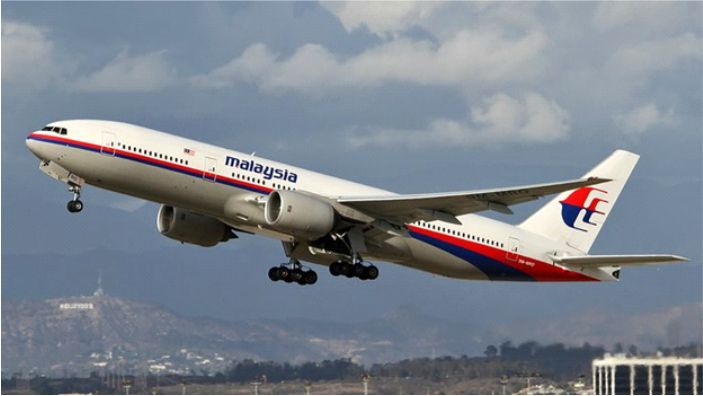
A Beijing court has ordered Malaysia Airlines to pay over £307,000 (2.9 million yuan) to each of eight families whose loved ones vanished aboard the ill-fated flight MH370 - in a landmark decision that underscores corporate accountability even in aviation disasters.
The court said the payment covers death, funeral expenses and emotional distress, marking a rare legal victory for relatives of victims whose remains have never been found. The passengers were declared legally dead after years of uncertainty. According to media reports, similar compensation claims are underway for other families; 47 cases have already been agreed, 23 remain pending, and several lawsuits have been withdrawn.
The ruling comes amid renewed attention to MH370: last week, the Malaysian government announced it will resume a search for the missing plane from 30 December 2025.
MH370 - The Disappearance That Still Haunts Families and Borders
On 8 March 2014, MH370 disappeared while flying from Kuala Lumpur to Beijing. A few minutes into the flight, transponder signals ceased, and radar tracked the aircraft making a sharp turn westward across Malaysia. No confirmed wreckage has been found, though small debris likely from the aircraft has washed ashore. All 227 passengers and 12 crew were lost.
The last communication from the plane had the ominous transmission: “Good night, Malaysian three seven zero.” Efforts to locate the aircraft over the years - involving multiple countries - yielded no definitive result. In 2020, former Australian Prime Minister Tony Abbott publicly stated that “very, very early on” key figures in the Malaysian government believed the pilot may have deliberately crashed the plane. But without locating the main wreckage and flight recorders, the reason for the disappearance remains unproven, and many families continue to seek closure.
Why This Ruling Matters - A Global Precedent
The court's decision is significant on several levels:
1. Corporate accountability - Even without a recovered plane or incontrovertible cause, the court held Malaysia Airlines responsible, awarding substantial compensation.
2. Justice over time - More than a decade after the tragedy, families have achieved a measure of justice. It sends a message that legal recourse remains possible despite time and obstruction.
3. Victims’ rights affirmed - The ruling validates claims of families who lost loved ones, including foreigners, and may embolden other victims’ relatives worldwide to press for reparations and transparency.
For Africa - and countries such as Nigeria - the case carries important lessons: many African citizens travel internationally for business, pilgrimage, work or study. Tragedies abroad sometimes leave families with little recourse due to jurisdictional, legal, or diplomatic obstacles. This ruling shows that legal protections may apply even when a crime or accident occurs abroad, and when evidence is scarce.
Implications for Africa and Nigeria
Strengthening Legal Frameworks for Citizens Abroad
African governments often struggle to protect citizens traveling internationally - in part due to weak consular support, poor legal follow-up, and limited bilateral agreements for passenger rights or wrongful-death compensation. The MH370 ruling sets a precedent: airlines and foreign carriers can be held accountable if a foreign court accepts jurisdiction. Nigeria and other countries could benefit by negotiating stronger protections for their citizens abroad, including mandatory insurance coverage, improved consular support and better legal representation.
The Need for Aviation-Industry Standards and Transparency
MH370 exposed gaps in safety oversight, record-keeping, and international cooperation in aviation. For African carriers and regulators, the case underscores the importance of robust flight-tracking systems, strict oversight, and transparent investigations when flights go missing. Such measures help restore public trust and ensure accountability in aviation disasters.
Empowerment Through Legal Advocacy
Families of victims - including African families abroad - may feel powerless when tragedies occur internationally. This ruling demonstrates the impact of sustained legal pressure, cross-jurisdictional litigation, and collective advocacy. It sends a message that even against powerful international carriers, justice may be attainable.
Diplomatic and Government Responsibility
For governments of origin countries - such as Nigeria - this verdict highlights the need for active diplomatic support for citizens abroad. Governments should prioritize consular services, push for bilateral frameworks that guarantee compensation, and ensure citizens understand their rights when travelling.
What Happens Next - Outstanding Cases and Continued Search
While the verdict brings relief to eight families, many more remain in limbo: dozens of other cases are ongoing, many with unresolved legal status or pending evidence. The court’s decision may encourage more plaintiffs to come forward, potentially triggering additional compensation claims.
Meanwhile, the Malaysian government’s announced resumption of searches from December 2025 suggests hopes remain to locate the aircraft, recover more debris or remains, and possibly bring closure to those still waiting.
For victims’ families and global aviation observers, the story is far from over, but the ruling marks a turning point in a long saga of grief, uncertainty, and legal limbo.