Mexico’s Youth Rebellion Clashes Exposes a Nation at Crossroads
Thousands of young protesters took to the streets of Mexico City in a wave of anti-government demonstrations that left at least 120 injured. As President Claudia Sheinbaum blames political opponents, the protests highlight deepening anger over crime, cartel violence, and a generational demand for accountability.
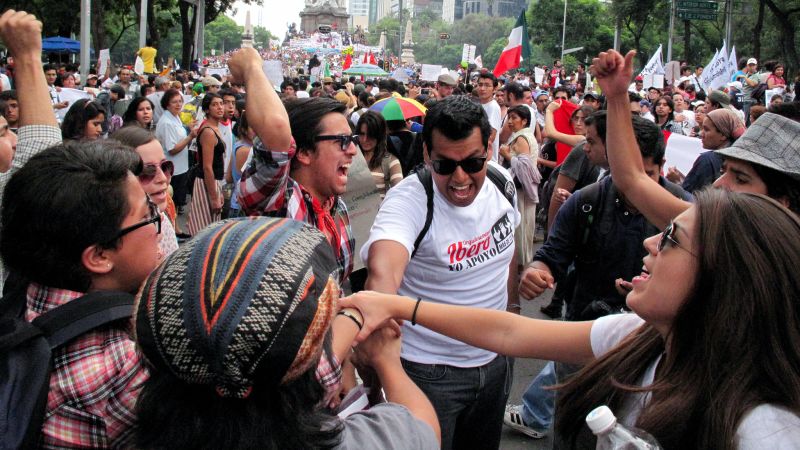
Mexico’s political landscape was shaken on Saturday as thousands of largely Gen Z protesters poured into the streets of Mexico City, venting anger at violent crime, cartel power, and what they describe as a government out of touch with the realities of everyday Mexicans. What began as a peaceful march soon descended into chaos, leaving 120 people injured, including 100 police officers, according to Mexico City authorities. - BBC News, AP News
While anti-government demonstrations are not new in Mexico, what set this protest apart was the demographic: a youth-led uprising, fueled by frustration, grief, and a growing belief that traditional politics can no longer solve Mexico’s deep-rooted security crisis.
A March Sparked by a Murder
The immediate trigger for the protests was the assassination of Carlos Manzo, the mayor of Uruapan, who was killed on November 1 during Day of the Dead festivities. Manzo was widely respected for standing up to drug-trafficking cartels and demanding stronger action against armed criminal networks.
His death became a symbol for young Mexicans who feel they are growing up in a country where political courage is punished and justice is elusive.
The rallying cry “We Are All Carlos Manzo” was seen on banners, flags, and even gas masks worn by demonstrators. But Gen Z protesters insist their march was not merely a reaction to a single killing. It was a broader expression of anger toward a system that has failed to protect its citizens. - The Guardian
A Generation That Refuses to Stay Silent
Saturday’s protest revealed a striking shift: young Mexicans are no longer content to rely on older political actors to speak for them.
Clad in cowboy hats in Manzo’s honour, or wearing street-style outfits typical of their generation, they marched toward the National Palace, where President Claudia Sheinbaum resides. The palace, heavily barricaded, became the physical and symbolic target of the demonstration.
Some protesters attempted to dismantle the metal fencing. Police responded with tear gas, escalating tensions and triggering hours-long confrontations.
Authorities later confirmed that 20 protesters were arrested for offenses including assault and robbery. - Reuters
Sheinbaum Pushes Back: “This Was Politically Funded”
President Sheinbaum, who maintains high approval ratings in her first year in office, was quick to dismiss the protests as politically orchestrated. She claimed the demonstration was supported financially by right-wing opponents hoping to weaken her administration.
Days before the march, she alleged that online promotion of the protest was driven by bot accounts, not an organic civic organization. “We respect freedom of expression,” she said, “but people should know who is promoting these demonstrations.”
For many protesters, the comments felt dismissive and emblematic of a growing disconnect between the government and young citizens who see insecurity as the defining issue of their generation.
A Government Balancing Security and Strategy
Sheinbaum has taken steps to confront cartel networks, particularly in reducing fentanyl trafficking, a major concern for both Mexico and the United States. Analysts say her government has aimed for targeted interventions rather than the all-out cartel wars seen under former presidents Felipe Calderón and Enrique Peña Nieto.
Those full-scale wars left tens of thousands dead and reshaped Mexico’s security landscape - but failed to end cartel dominance.
For young people, however, those nuances mean little. They see a country where Mayors are assassinated, Journalists are targeted, entire towns fear cartel control, and Justice rarely comes. To them, the government’s strategy feels slow, insufficient, and out of touch with their fears. - Al Jazeera
Regional Fallout and Diplomatic Tension
While Sheinbaum faces domestic criticism, she is also dealing with escalating diplomatic challenges. Earlier this month, Peru’s Congress declared her a persona non grata, following Mexico’s decision to grant asylum to a former Peruvian prime minister accused of participating in a 2022 coup attempt. - BBC
This diplomatic rift, combined with rising hostility from opposition groups inside Mexico, adds pressure to an administration already juggling complex crises.
The Bigger Picture: A Nation at a Tipping Point
From another angle, the protests represent something larger than one night of clashes:
A generational awakening
Gen Z protesters are signalling they will no longer accept the status quo. They grew up in the shadow of drug wars and political corruption - and they want change now.
Deepening polarization
Mexico is becoming increasingly divided between those who trust Sheinbaum’s cautious approach and those who believe only aggressive systemic reform can solve the security crisis.
The limits of political narratives
Although Sheinbaum suggests the protests were politically orchestrated, the depth of youth participation indicates genuine discontent.
A challenge to Mexico’s future stability
If the government fails to address the concerns of young people, the unrest could represent the beginning of a longer phase of civic confrontation.
Conclusion: Mexico’s Youth Are Rewriting the Political Script
Saturday’s events were not just a protest - they were a warning and a statement from a new generation demanding to be heard.
Whether the government chooses to engage with these young voices or dismiss them as political pawns may determine Mexico’s political direction for the next decade.
As Mexico stands at this crossroads, the message from its youth is unmistakable: “We want safety. We want justice. We want a future.”