Mass Protests Across the U.S. Erupt Against U.S.–Israeli Strikes on Iran: What’s Driving the Demonstrations
Widespread anti-war protests have taken place in U.S. cities following U.S. and Israeli military strikes on Iran. This article explores why Americans are demonstrating, who’s involved, what they’re demanding, and how the movement is unfolding.
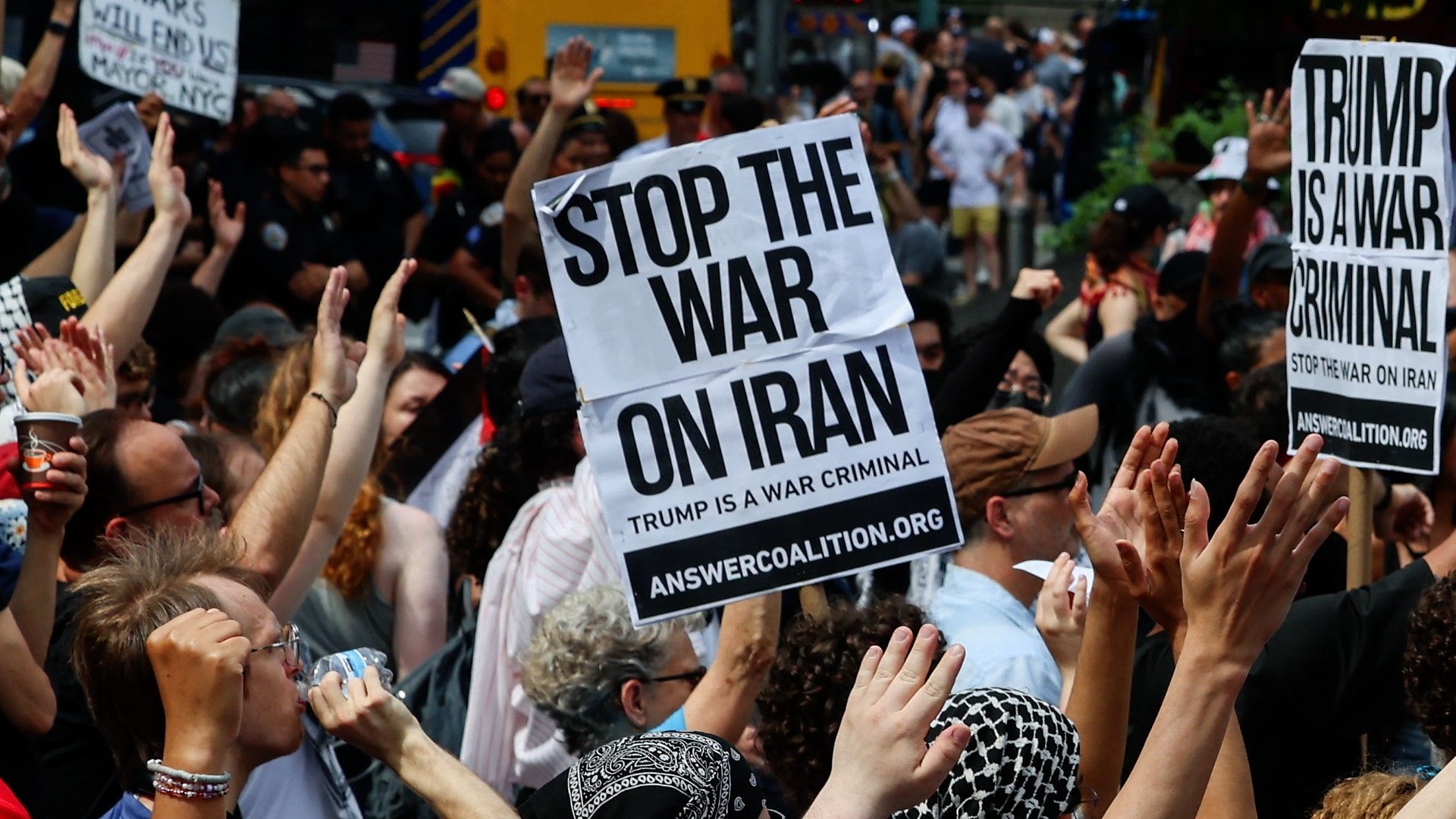
Across the United States, demonstrators have taken to city streets to protest the recent U.S. and Israeli airstrikes on Iran, signaling robust opposition to escalatory military action in the Middle East. The mobilizations - involving a broad coalition of activists, Iranian-Americans, anti-war groups, and civil rights organizations - reflect deep public concern over war, constitutional authority, human cost, and foreign policy priorities. Here’s a closer look at why protesters are rallying across the U.S., what they’re demanding, and the context of these anti-war demonstrations. (A News)
What Sparked the Protests?
The demonstrations come in the aftermath of major airstrikes by U.S. and Israeli forces on Iran, which were reportedly triggered by escalating tensions and high-profile geopolitical developments, including reported attacks targeting Iranian leaders.
Broadly, protesters say they oppose what they view as a dangerous and unnecessary military escalation, fear the prospect of war with profound human costs, and argue that such actions could entangle the U.S. in protracted conflict with the Islamic Republic.
Cities Across the Country Mobilize
Large rallies have taken place in major cities nationwide. According to reports:
- New York City: Hundreds gathered in Times Square and Midtown Manhattan, with chants such as “Stop the War on Iran” and “Hands off the Middle East”. Demonstrators held signs criticizing President Donald Trump’s decision to support the airstrikes and urged U.S. withdrawal from escalating conflict. (China Daily)
- Chicago: Anti-war advocates assembled at Federal Plaza and marched toward Trump Tower, calling on the government to “stop this war” and divert military spending to social priorities like education and healthcare. (Chicago Sun-Times)
- Milwaukee: Organized by groups such as the Party for Socialism and Liberation and local peace coalitions, dozens rallied to demand an end to military escalation and to emphasize humanitarian concerns. (FOX6 News Milwaukee)
- San Antonio: Around 75 protesters assembled outside City Hall holding anti-war signs and denouncing both U.S. and Israeli actions, urging a shift away from war and toward constructive policies. (San Antonio Express-News)
Smaller protests have also been reported or planned in cities such as Atlanta, Boston, Los Angeles, Albany, Springfield, and Chattanooga, illustrating widespread geographic engagement.
Who Is Leading the Demonstrations?
Unlike typical single-organization rallies, these protests are coalition efforts, bringing together a diverse array of activists and civil society groups. Among the prominent organizers are:
- ANSWER Coalition: A longstanding anti-war group advocating peace and divestment from military actions.
- National Iranian American Council: Representing concerns of Iranian-American communities with family ties affected by conflict.
- CODEPINK: A women-led grassroots organization opposing military interventions.
- Democratic Socialists of America, Black Alliance for Peace, American Muslims for Palestine, and others.
Some reports allege support from broader political networks, though the core focus of the U.S. rallies remains opposition to war rather than specific foreign political agendas. (New York Post)
What Are Protesters Demanding?
Across rallies, demonstrators have articulated overlapping demands, including:
1. No More War: Chants such as “No bombs on Iran” and “Stop this war now” have been common, reflecting broad resistance to further military engagement. Protesters argue that U.S. involvement in the Middle East has historically led to instability and loss of life, not security.
2. Congressional Oversight: Many activists emphasize that the Constitution requires Congressional approval for major military actions, and that unilateral executive strikes without proper authorization undermine democratic norms.
3. Reprioritizing Federal Spending: Signs and speeches also connected war opposition to domestic concerns, urging lawmakers to shift resources toward healthcare, education and infrastructure rather than foreign wars.
4. Humanitarian Concern for Civilians: Participants voiced deep concern for Iranian civilians - particularly after reports of casualties in schools and residential areas - and called for diplomatic rather than military solutions.
Voices From the Streets
Among those protesting, individual testimonies highlighted personal stakes and moral convictions.
One Iranian-American protester in Chicago said, “Bombing and striking, war do not bring democracy into our country … The people of this country do not want another forever war.”
In New York, demonstrators held banners reading “Trump Must Go Now,” linking foreign policy outcry with broader political critiques, and “Stop the War on Iran.”
Broader Public and Political Debate
Beyond grassroots actions, political figures have commented on the strikes. For instance, New York City Mayor Zohran Mamdani publicly criticized the military strikes as an illegal and catastrophic escalation, underscoring how the issue has penetrated local political discourse.
Critics argue that many Americans oppose war in principle and believe the current actions risk further destabilization without clear objectives. Polling has historically shown U.S. public skepticism toward additional Middle East wars - a backdrop that amplifies the resonance of the protests. (Reddit)
What Comes Next?
Organizers plan additional rallies and continuous actions across the country, aiming to sustain anti-war pressure and advocate for diplomatic engagement instead of military escalation. Some protests aim to engage local elected officials and educate communities about the legal and ethical dimensions of U.S. foreign policy decisions.
Whether these demonstrations influence policy remains to be seen, but they reveal a significant segment of the American public that rejects further entanglement in war, emphasizing peace, diplomacy, and accountability.