Man Attacked by Bear at Steel Works Facility in Japan Sparks Safety Concerns
A man was reportedly attacked by a bear at a steel works facility in Japan, raising fresh concerns over increasing wildlife encounters and industrial safety measures in the country.
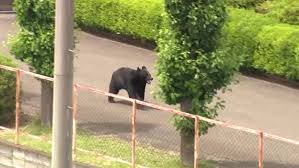
Authorities in Japan are investigating a shocking incident in which a man was reportedly attacked by a bear at a steel works facility, intensifying public concerns over rising encounters between humans and wild animals across the country.
The attack, which occurred at an industrial site believed to be connected to a major steel manufacturing operation, left workers and residents alarmed as emergency responders rushed to the scene following reports of the animal attack.
Japanese officials confirmed that the victim sustained injuries during the encounter and was transported for medical treatment, while authorities launched efforts to locate and control the bear involved in the incident.
The unusual attack has once again highlighted growing concerns over wildlife intrusions into urban and industrial zones in several parts of Japan.
Bear Enters Industrial Facility
According to local reports, the bear was spotted within or near the premises of the steel works facility before the attack occurred.
Workers reportedly became aware of the animal’s presence after seeing unusual movement around operational areas of the site.
The situation escalated when the bear allegedly attacked a male worker, causing panic among employees and forcing the temporary disruption of activities at the facility.
Emergency services and local wildlife authorities were quickly alerted as security personnel attempted to secure the area.
Victim Receives Medical Attention
Authorities stated that the injured man was rescued and taken to a nearby medical center for treatment shortly after the attack.
While officials did not immediately release full details regarding the severity of the injuries, reports indicated that the victim survived the encounter.
Medical personnel reportedly treated the victim for wounds sustained during the attack, while investigators began reviewing how the incident occurred.
The identity of the injured worker had not been publicly disclosed at the time of reporting.
Authorities Launch Search Operation
Following the incident, local authorities and wildlife response teams launched operations aimed at locating the bear and preventing further danger to workers and nearby residents.
Police and emergency officials reportedly warned people in surrounding areas to remain cautious while monitoring continued.
Some sections of the facility and nearby routes were temporarily restricted as officials searched for the animal.
Wildlife experts were also brought in to assist with tracking efforts and assess the risk of additional encounters. (BBC News)
Rising Human-Bear Encounters in Japan
The attack adds to a growing number of incidents involving bears entering populated or industrial areas across Japan.
Over recent years, Japanese authorities have recorded increasing cases of wild bears wandering into residential neighborhoods, schools, farms, and commercial facilities.
Experts attribute the trend to several factors, including habitat loss, climate change, declining food availability in forests, and expanding human development near wildlife territories.
The growing frequency of such encounters has raised nationwide concerns regarding public safety and wildlife management policies.
Industrial Safety Questions Emerge
The incident at the steel works facility has also triggered discussions about industrial safety measures and preparedness for wildlife emergencies.
Analysts say factories and industrial zones located near forested or rural areas may need to strengthen monitoring systems and emergency response plans.
Some experts believe companies should implement additional worker safety protocols in regions where wildlife intrusions are becoming increasingly common.
The attack has highlighted the unpredictable risks faced by workers operating in areas close to natural habitats.
Community Reactions
Residents and workers near the facility expressed shock following reports of the attack.
Some locals say wildlife sightings have become more common in recent years, particularly during periods when food becomes scarce in forest regions.
Others called for stronger preventive measures, including improved fencing, surveillance systems, and early warning mechanisms around industrial facilities.
The incident also sparked debate on social media, where many users expressed concern over the increasing overlap between human settlements and wildlife activity.
Wildlife Experts Explain Growing Problem
Wildlife specialists say Japan’s aging rural population and declining agricultural activity have contributed to changing animal movement patterns.
As some rural communities shrink, abandoned farmland and less human activity in certain areas may create conditions that encourage bears to venture closer to populated zones.
Environmental experts also note that climate-related changes affecting natural food sources can push wild animals into unfamiliar territories in search of sustenance.
Bears in Japan have increasingly been reported scavenging near towns, roads, and industrial compounds.
Government Response and Prevention Measures
Japanese authorities have repeatedly introduced measures aimed at reducing dangerous encounters between humans and wild animals.
These measures include public awareness campaigns, wildlife monitoring systems, and controlled intervention programs in areas considered high-risk.
Local governments have also encouraged residents to report bear sightings immediately to reduce the likelihood of attacks.
Following the latest incident, officials are expected to review existing safety strategies and assess whether additional preventive actions are necessary.
Concerns Over Workplace Safety
Labour and safety experts argue that incidents involving wild animals should be incorporated into occupational safety planning, especially in regions prone to wildlife movement.
Some commentators emphasized that employers may need to provide additional emergency training and awareness programs for workers operating near forested environments.
The attack also underscores broader concerns about balancing industrial expansion with environmental preservation.
Japan’s Ongoing Wildlife Management Challenge
Japan has faced ongoing debates regarding how best to manage increasing wildlife activity without causing ecological imbalance.
While public safety remains a priority, conservation groups continue advocating for humane and environmentally responsible approaches to wildlife control.
Experts say long-term solutions will likely require stronger environmental planning, forest management, and coordinated wildlife monitoring systems. (Reuters)
Investigation Continues
Authorities confirmed that investigations into the incident remain ongoing.
Officials are reportedly examining how the bear gained access to the industrial area and whether additional security measures are needed to prevent future incidents.
Wildlife teams also continue efforts to locate the animals and assess risks to surrounding communities.
Conclusion
The bear attack at a steel works facility in Japan has drawn national attention to the growing challenge of human-wildlife encounters in increasingly industrialized and populated regions.
As authorities continue investigations and safety operations, the incident serves as another reminder of the complex relationship between environmental change, urban expansion, and public safety.
For workers and residents in affected areas, the shocking encounter highlights the urgent need for stronger preparedness and effective wildlife management strategies across Japan.