Macron Slams Trump Over Strait of Hormuz Plan: NATO Unity Tested Amid Rising Gulf Tensions
French President Emmanuel Macron criticizes Donald Trump’s stance on reopening the Strait of Hormuz by force, calling it unrealistic. This analysis explores the geopolitical implications for NATO, US policy, and global security.
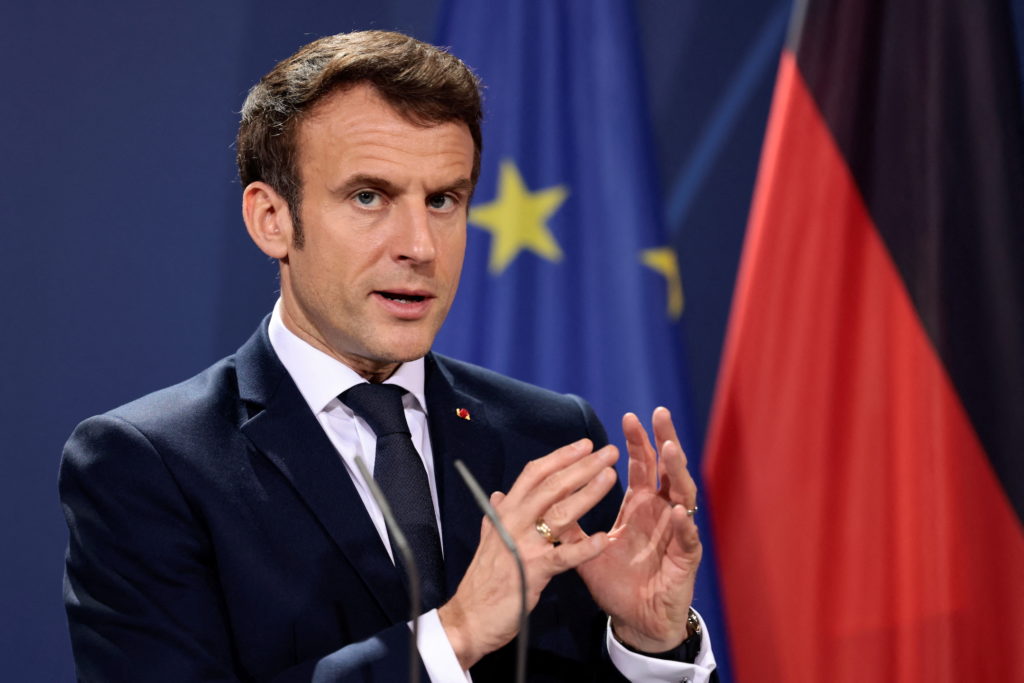
French President Emmanuel Macron has openly criticized former U.S. President Donald Trump over suggestions that the Strait of Hormuz could be forcibly reopened amid escalating tensions in the Gulf. Macron described such an approach as “unrealistic,” warning that military escalation in one of the world’s most sensitive maritime corridors could have far-reaching consequences for global stability.
The remarks come at a time of heightened geopolitical friction involving Iran, the United States, and regional allies, placing renewed strain on transatlantic relations and raising questions about the future cohesion of NATO.
The Flashpoint: Strait of Hormuz and Global Stakes
The Strait of Hormuz is one of the most critical waterways in the world, through which roughly a fifth of global oil supply passes. Any disruption - whether through conflict, blockades, or military operations - has immediate consequences for global energy markets.
Recent tensions in the Gulf, including Iranian threats and attacks on shipping lanes, have reignited debates over how the international community should respond. Trump, known for his hardline stance on Iran during his presidency, reportedly suggested that force could be used to guarantee freedom of navigation.
Macron’s response reflects a starkly different approach, emphasizing diplomacy and multilateral coordination over unilateral military action.
Macron’s Position: Diplomacy Over Force
Macron’s criticism is rooted in a broader European perspective that prioritizes de-escalation. By labeling the use of force as “unrealistic,” he highlighted the risks of triggering a wider conflict in an already volatile region.
France has historically advocated for diplomatic engagement with Iran, including efforts to revive nuclear agreements and maintain open channels of communication. Macron’s stance aligns with this tradition, suggesting that military intervention in the Strait of Hormuz would likely worsen tensions rather than resolve them. France24
His comments also reflect concerns about the unintended consequences of military action, including retaliation by Iran, disruption of global trade, and potential involvement of other regional actors.
Trump’s Doctrine: Strength and Deterrence
In contrast, Trump’s approach has consistently emphasized strength and deterrence. During his presidency, he withdrew the United States from the Iran nuclear deal and imposed a “maximum pressure” campaign aimed at curbing Tehran’s influence.
The suggestion of using force to secure the Strait of Hormuz fits within this broader doctrine. From this perspective, a strong military response is seen as a necessary tool to deter aggression and ensure the free flow of commerce.
However, critics argue that such an approach risks escalating conflicts and alienating allies, particularly in Europe, where there is greater emphasis on multilateralism.
Implications for NATO: Unity Under Pressure
Macron’s remarks highlight a growing divergence within NATO on how to handle global security challenges. The alliance, which relies on collective defense and shared strategic goals, has faced increasing strain in recent years. Differences over defense spending, strategic priorities, and relations with adversaries have tested its cohesion.
The Strait of Hormuz debate adds another layer of complexity. If NATO members cannot agree on how to respond to threats in critical regions, it raises questions about the alliance’s ability to act cohesively.
Macron’s criticism of Trump is not just about one policy proposal - it reflects a broader tension between unilateral and multilateral approaches to security.
Europe vs America: A Strategic Divide
The disagreement also underscores a wider transatlantic divide. European leaders, including Macron, tend to favor diplomatic solutions and collective decision-making. The United States, particularly under Trump’s influence, has often leaned toward unilateral action.
This divergence has implications beyond the Strait of Hormuz. It affects how NATO responds to challenges ranging from Russia’s aggression to instability in the Middle East.
For Europe, maintaining unity within NATO while asserting its own strategic autonomy has become a delicate balancing act.
Global Energy and Economic Risks
Any conflict in the Strait of Hormuz would have immediate economic consequences. Oil prices would surge, affecting global markets and potentially triggering inflationary pressures.
For energy-dependent economies, particularly in Europe and Asia, the stakes are high. Macron’s caution reflects an awareness of these risks and a desire to avoid actions that could destabilize global supply chains.
The debate, therefore, extends beyond military strategy to encompass economic security.
What It Means for Trump’s Political Positioning
Macron’s criticism also carries implications for Trump’s political narrative. As a prominent figure in U.S. politics, Trump’s foreign policy positions continue to influence debates within the Republican Party and beyond.
His stance on the Strait of Hormuz reinforces his image as a leader willing to take decisive action. However, criticism from international leaders like Macron highlights the potential costs of such an approach, particularly in terms of alliances and global perception.
For Trump, the challenge is balancing the appeal of strong leadership with the need to maintain international cooperation.
The Risk of Escalation
Perhaps the most pressing concern is the risk of escalation. Military action in the Strait of Hormuz could trigger a chain reaction, drawing in regional and global powers.
Iran, for its part, has repeatedly warned that it would respond to any attempt to use force in the region. This raises the possibility of a broader conflict that could extend beyond the Gulf. Macron’s warning can therefore be seen as an attempt to prevent a scenario where miscalculation leads to unintended consequences.
Conclusion: A Test of Global Leadership
The exchange between Emmanuel Macron and Donald Trump over the Strait of Hormuz is more than a policy disagreement - it is a reflection of competing visions for global leadership. On one side is a multilateral approach that prioritizes diplomacy and collective action. On the other is a more assertive strategy that emphasizes strength and deterrence.
For NATO, the challenge will be finding a way to reconcile these perspectives and maintain unity in the face of complex global threats.
As tensions in the Gulf continue to evolve, the stakes are high - not just for the region, but for the global order itself. The decisions made now will shape the future of international security and the role of alliances in an increasingly uncertain world.