Lufthansa Cuts 20,000 Summer Flights as Fuel Prices Surge Amid Global Energy Shock
Lufthansa has cancelled 20,000 summer flights after a sharp surge in jet fuel prices driven by global energy disruptions, forcing European airlines to scale back operations and rethink routes.
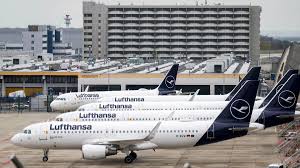
Lufthansa Group, one of Europe’s largest airline operators, has announced a sweeping reduction of around 20,000 summer flights as surging jet fuel prices triggered by global energy instability continue to squeeze airline profitability.
The move, which affects mostly short-haul routes across its European network, highlights the growing pressure on the aviation industry as geopolitical tensions and fuel market volatility push operational costs sharply higher.
According to the airline, the cuts are part of a broader strategy to reduce losses, improve efficiency, and adapt to a rapidly changing energy landscape that has made many routes financially unsustainable. (www.ndtv.com)
Why Lufthansa Is Cutting Flights
At the heart of the decision there is a dramatic spike in jet fuel prices, which have nearly doubled in recent months following disruptions in global energy supply chains linked to geopolitical conflict in the Middle East. (India Today)
The aviation sector is highly sensitive to fuel costs, with jet fuel accounting for a large share of total operating expenses. For Lufthansa, the sudden rise has made many short-haul European routes unprofitable.
To manage the situation, the airline is reducing capacity for low-margin routes, consolidating flights across hubs like Frankfurt and Munich, and optimising aircraft usage for fuel efficiency, and prioritizing long-haul and profitable routes.
The company estimates the reduction will save approximately 40,000 metric tons of jet fuel through October 2026. (Gulf News)
Scale of the Flight Reductions
While the headline figure of 20,000 cancelled flights sounds dramatic, Lufthansa says the overall impact on its operations is relatively limited in percentage terms.
The cuts represent less than 1% of total summer capacity, measured in available seat kilometers (ASK), a key airline industry metric.
Most cancellations affect short-haul European routes, regional feeder services, and less profitable connections between secondary cities.
The airline has also temporarily removed at least three destinations from its network and consolidated multiple routes through partner hubs within the Lufthansa Group. (Travel Market Report)
The Role of Global Fuel Prices
The decision comes at a time of intense pressure on global energy markets.
Jet fuel prices have surged due to ongoing geopolitical tensions in the Middle East, disruptions in oil shipping routes such as the Strait of Hormuz, reduced refinery output in key exporting regions, and increased demand ahead of the peak summer travel season.
Industry analysts say the aviation sector is particularly vulnerable because fuel is often its largest single operating cost, meaning even small price increases can significantly impact profitability.
European airlines, which rely heavily on imported fuel, are especially exposed to these fluctuations.
Airlines Across Europe Feel the Pressure
Lufthansa is not alone in taking action.
Other European carriers, including KLM and SAS, have also reduced flight schedules or adjusted routes due to rising fuel costs and uncertain supply conditions.
Some airlines have suspended unprofitable routes, reduced flight frequency on regional networks, delayed expansion plans for 2026, and Increased ticket prices and surcharges.
In some cases, airlines are also retiring older, less fuel-efficient aircraft earlier than planned to reduce consumption.
Strategic Changes Inside Lufthansa
Beyond immediate flight cuts, Lufthansa is undergoing broader structural changes.
The airline is:
- Accelerating fleet modernization with fuel-efficient aircraft
- Retiring older jets such as the Airbus A340 series
- Grounding parts of its Boeing 747-400 fleet
- Expanding low-cost subsidiaries for short-haul efficiency
These steps are designed to reduce long-term exposure to fuel volatility while improving operational margins.
The group is also shifting more flights to subsidiaries with lower operating costs, allowing it to maintain network coverage while cutting expenses.
Impact on Passengers
For travelers, the cuts could mean:
- Fewer flight options on European routes
- Possible schedule changes or rerouting
- Increased ticket prices during peak summer travel
- Longer travel times due to hub connections
Passengers already booked on affected flights are being rebooked or notified by the airline.
While Lufthansa says it is trying to minimize disruption, industry experts warn that summer 2026 could still see widespread changes across European aviation schedules.
Economic Ripple Effects
The aviation slowdown has broader economic implications beyond airlines themselves.
Tourism-dependent economies across Europe may experience:
- Reduced visitor flows
- Lower hotel occupancy rates
- Declines in seasonal tourism revenue
Air cargo capacity may also tighten if airlines reduce overall network frequency, potentially affecting supply chains for high-value goods.
Industry Warning: More Cuts Possible
Aviation analysts warn that Lufthansa’s decision may be just the beginning.
If fuel prices remain elevated, more airlines could follow with additional capacity reductions. Some industry forecasts already suggest that global airline growth expectations for 2026 may need to be revised downward.
There are also concerns that prolonged energy instability could:
- Slow airline recovery from previous global disruptions
- Delay aircraft delivery schedules due to cost pressures
- Increase consolidation within the airline industry
Conclusion
Lufthansa’s decision to cut 20,000 summer flights underscores the growing strain that surging fuel prices are placing on global aviation.
What initially appears to be a scheduling adjustment is part of a broader industry shift driven by geopolitical instability, rising operational costs, and changing market dynamics.
As airlines across Europe adapt to this new reality, passengers may face fewer choices and higher prices at least until global energy markets stabilize.
For now, Lufthansa’s move signals a clear message: in an era of expensive fuel, flying less may be the only way to stay competitive.