Lebanon’s Fragile Push for Peace: Why Convincing Hezbollah Remains the Ultimate Hurdle
Lebanon is pushing for peace talks with Israel amid a devastating conflict, but Hezbollah’s resistance threatens to derail diplomacy. Here’s why convincing the group is key to any lasting solution.
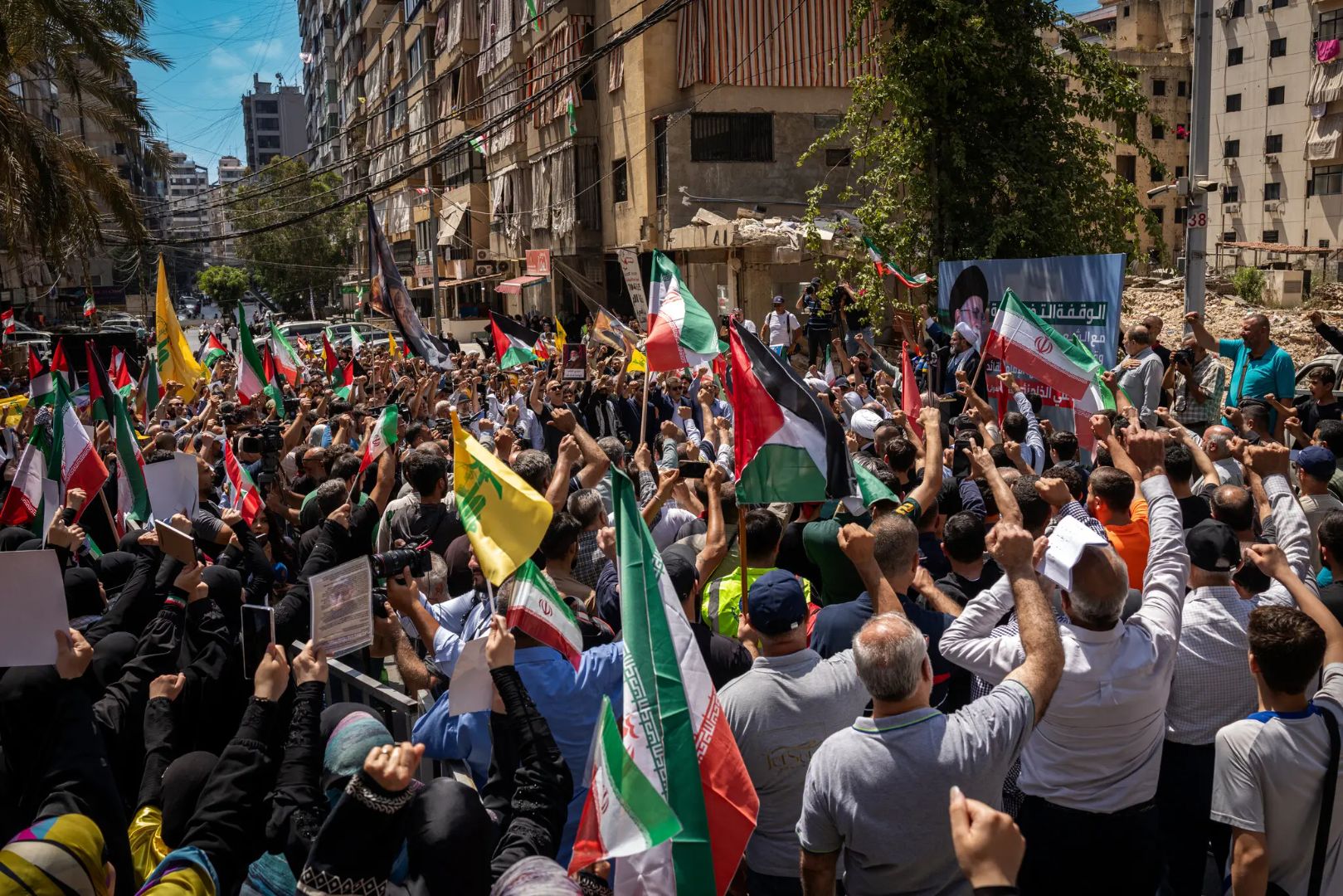
Lebanon stands at a historic crossroads. After weeks of devastating conflict with Israel, its leadership is making a renewed push for peace. Yet, despite diplomatic momentum and international backing, one critical obstacle remains: Hezbollah.
The Iran-backed militant group is not just another political actor; it is a powerful force operating within Lebanon, often described as a “state within a state.” As Beirut seeks a ceasefire and long-term peace, the reality is becoming increasingly clear: no agreement can hold unless Hezbollah is convinced or compelled to accept it.
A Nation Desperate for Peace
Lebanon’s government, led by President Joseph Aoun and Prime Minister Nawaf Salam, has intensified efforts to secure a ceasefire and initiate direct negotiations with Israel. These talks, set to take place in Washington, mark the first serious diplomatic engagement between the two countries in decades.
The urgency is undeniable. Since fighting escalated in March 2026, over 2,000 people have been killed and more than a million displaced within Lebanon. (Reuters) Civilian infrastructure has been devastated, and economic pressures - already severe before the war have deepened into a humanitarian crisis.
For many Lebanese citizens, peace is no longer a political aspiration; it is a necessity for survival. Reports from Beirut describe widespread exhaustion and anger, with civilians blaming not only Israel’s bombardment but also Hezbollah’s role in dragging the country into conflict. (The Times)
Hezbollah’s Defiance and Strategic Calculus
Despite the government’s diplomatic push, Hezbollah has taken a firm stance against any peace initiative involving Israel. The group’s leader, Naim Qassem, has publicly rejected negotiations, calling them “futile” and urging Lebanese officials to withdraw from talks. (New York Post)
More critically, senior Hezbollah officials have stated that the group will not be bound by any agreement reached between Lebanon and Israel. (AP News)
This position reflects Hezbollah’s broader strategic calculus. Founded in 1982 and backed by Iran, the group sees itself as a “resistance movement” against Israeli influence. Disarmament - one of Israel’s key demands in negotiations, is viewed by Hezbollah as a red line tied to national defense and regional power dynamics. (Wikipedia)
In practical terms, this means that even if Lebanon signs a peace deal, Hezbollah could continue military operations independently, undermining any ceasefire.
A State Within a State
One of Lebanon’s biggest challenges is that it does not have full control over its own military landscape. Hezbollah maintains an armed wing that operates outside the authority of the Lebanese state, despite recent government efforts to declare its activities illegal and enforce disarmament.
This dual-power structure complicates diplomacy. While the Lebanese government seeks peace, it cannot fully guarantee compliance across its territory.
The situation creates a paradox: Israel demands that Lebanon rein in Hezbollah as a condition for peace, but Lebanon lacks the capacity or political consensus to do so without risking internal conflict.
Experts warn that any aggressive attempt to disarm Hezbollah could trigger a civil war, a scenario that Lebanese leaders are keen to avoid given the country’s fragile history.
Regional Politics and Iran’s Influence
Hezbollah’s position cannot be understood without considering Iran’s role. The group is a key component of Iran’s regional “axis of resistance,” and its actions are often aligned with broader geopolitical strategies.
The latest escalation began when Hezbollah launched attacks on Israel in support of Iran, drawing Lebanon into a wider regional confrontation.
Iran has also insisted that any ceasefire agreements involving Israel must include Hezbollah, further linking Lebanon’s fate to broader Middle East dynamics.
This regional entanglement makes convincing Hezbollah even more difficult. Any shift in its stance would likely require not just domestic pressure, but also a recalibration of Iran’s strategic interests.
Growing Domestic Pressure on Hezbollah
Interestingly, Hezbollah’s position is no longer universally accepted within Lebanon. Public criticism has grown, with many citizens accusing the group of prioritizing foreign interests over national stability.
Political leaders have also taken unprecedented steps, including banning Hezbollah’s military activities and calling for its disarmament.
This internal pushback suggests that Lebanon may be entering a new phase - one where the balance of power between the state and Hezbollah is being actively contested.
However, translating public sentiment into political action remains a daunting challenge.
The Path Forward: Diplomacy or Deadlock?
Lebanon’s pursuit of peace is both bold and precarious. On one hand, there is a rare alignment of domestic urgency and international support for negotiations. On the other hand, Hezbollah’s resistance threatens to derail the entire process.
For peace to succeed, several conditions must be met:
- A credible ceasefire that addresses both Israeli security concerns and Lebanese sovereignty
- A framework for integrating or disarming Hezbollah’s military wing
- Regional buy-in, particularly from Iran
- Strong international guarantees to enforce any agreement
Without these elements, any deal risks becoming symbolic rather than substantive.
Conclusion: Peace Hinges on One Question
Lebanon’s leadership has made its choice, it wants peace. But the country’s future now hinges on a far more complex question: can Hezbollah be convinced to want the same?
Until that question is answered, Lebanon’s path to stability will remain uncertain, and the prospect of lasting peace will continue to hang in the balance.