Lebanese Army Begins Troop Deployment in ‘Pilot Zone’ Following Israeli Withdrawal
The Lebanese Army has announced the deployment of troops in a designated “pilot zone” after Israeli forces withdrew from parts of southern Lebanon. The move is aimed at restoring security, facilitating civilian returns, and supporting the implementation of the ceasefire agreement.
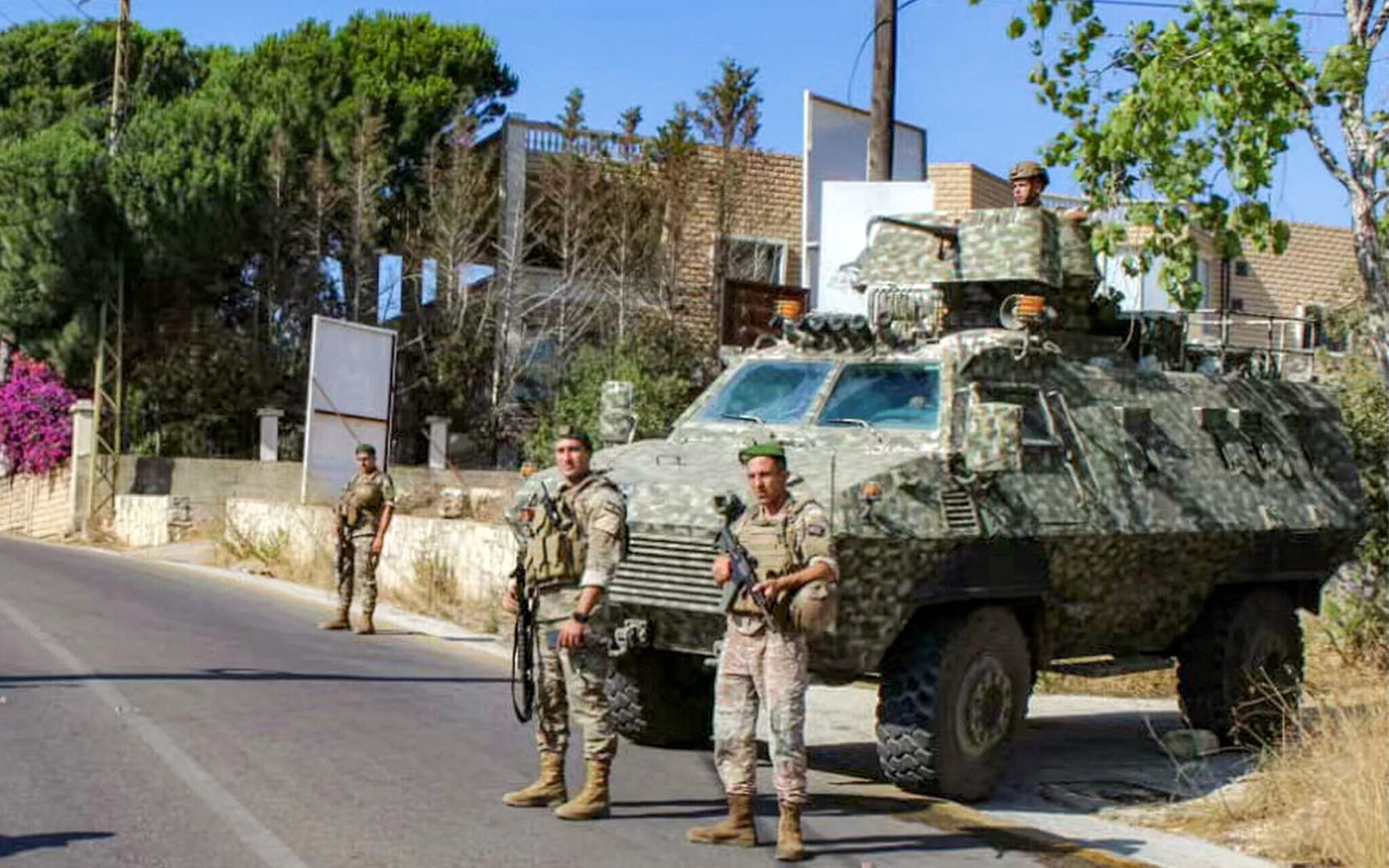
The Lebanese Armed Forces (LAF) have begun deploying troops to a designated “pilot zone” in southern Lebanon following the withdrawal of Israeli forces from parts of the border region, marking a significant step in efforts to stabilize one of the Middle East’s most volatile frontiers.
The deployment comes under a phased security arrangement designed to restore Lebanese state authority in areas previously occupied during months of cross-border hostilities. Lebanese military officials said the operation aims to facilitate the safe return of displaced residents, strengthen security, and support the implementation of the ceasefire agreement reached after intense fighting between Israel and Hezbollah.
The move has been welcomed by international mediators, although officials cautioned that the security situation remains fragile and that sustained cooperation from all parties will be necessary to preserve stability.
Lebanese Army Moves into Pilot Zone
In an official statement, the Lebanese Army confirmed that its units had entered the designated pilot zone immediately after Israeli forces completed their withdrawal from the area.
Military officials said troops were conducting security sweeps, clearing roads, inspecting infrastructure and coordinating with local authorities to ensure the safe return of civilians.
The army noted that engineering units would continue searching for unexploded ordnance and other remnants of war that could threaten public safety.
Authorities also appealed to residents returning to their communities to follow military instructions and avoid entering unsafe areas until security assessments are completed.
The deployment is expected to expand gradually as additional sectors become available following Israeli withdrawals.
Israel Completes Limited Withdrawal
The Israeli military confirmed that its forces had withdrawn from parts of southern Lebanon in accordance with operational plans coordinated through international mediators.
Israeli officials said the redeployment was intended to support the broader ceasefire arrangement while maintaining the country's ability to respond to future security threats.
The withdrawal follows months of military operations launched after escalating cross-border exchanges between Israeli forces and Hezbollah fighters.
Although Israeli troops have left the designated pilot zone, military officials stressed that Israel would continue monitoring developments along the border and reserved the right to respond to any perceived threats.
Ceasefire Agreement Enters New Phase
The deployment of Lebanese troops represents an important milestone in implementing the ceasefire framework negotiated with international support.
Under the arrangement, Lebanese government forces are expected to assume responsibility for security in areas previously affected by the conflict, reducing the risk of renewed confrontation.
International observers say strengthening the presence of the Lebanese Army is essential to preventing armed groups from operating freely near the border.
The agreement also includes provisions aimed at facilitating humanitarian assistance, rebuilding damaged infrastructure and enabling displaced families to return home safely.
Diplomatic officials described the latest developments as encouraging but emphasized that continued dialogue remains essential for maintaining long-term peace.
Civilians Begin Returning Home
Following the military deployment, residents who fled during the fighting have begun returning to several southern Lebanese communities.
Many families found homes damaged or destroyed after months of conflict, while others encountered extensive destruction of roads, electricity networks and public facilities.
Humanitarian organizations have started providing emergency assistance, including food, medical supplies and temporary shelter for displaced residents.
Aid agencies warned that reconstruction efforts could take months or even years because of the scale of the damage.
Authorities have urged returning civilians to remain cautious because unexploded munitions may still be present in affected areas.
International Community Welcomes Progress
The United Nations and several international partners welcomed the deployment of Lebanese troops, describing it as an important step toward strengthening state institutions and reducing tensions.
The United Nations Interim Force in Lebanon (UNIFIL) said it continues working closely with both the Lebanese Army and the Israeli military to monitor the ceasefire and prevent further incidents.
UN officials reiterated calls for all parties to fully implement UN Security Council Resolution 1701, which seeks to maintain peace along the Lebanon-Israel border.
Diplomatic representatives from the United States, France and other countries also expressed support for continued cooperation between all stakeholders.
Security Challenges Remain
Despite the progress, analysts caution that the situation remains highly sensitive.
The border area has witnessed repeated clashes over the past year, with both Israel and Hezbollah accusing each other of ceasefire violations.
Security experts warn that isolated incidents or misunderstandings could quickly reignite hostilities if confidence-building measures are not maintained.
The Lebanese Army acknowledged that it faces significant logistical and operational challenges in securing the affected areas, particularly given the extent of wartime destruction.
Officials said additional resources and international assistance would be required to sustain long-term security operations.
Humanitarian and Reconstruction Efforts
Attention is now turning toward rebuilding communities devastated by the conflict.
Government agencies, international donors and humanitarian organizations are assessing damage to homes, schools, hospitals and critical infrastructure.
The Lebanese government has appealed for increased international financial support to assist reconstruction efforts and help displaced families rebuild their lives.
Economic analysts note that Lebanon's ongoing financial crisis could complicate recovery unless substantial external assistance is provided.
Aid organizations have emphasized that restoring essential services, including electricity, water and healthcare, remains an urgent priority.
Hope for Lasting Stability
The deployment of Lebanese troops into the pilot zone offers cautious optimism that conditions along the southern border may gradually improve.
For many residents, the return of the national army represents an opportunity to restore normal life after months of uncertainty and violence.
Military officials insist that maintaining stability will require continued cooperation between Lebanese authorities, international peacekeepers and regional stakeholders.
As reconstruction begins and displaced families return home, the success of the pilot zone may serve as a model for broader security arrangements across southern Lebanon.
While challenges remain, the latest developments have provided renewed hope that diplomacy, coordinated security efforts and sustained international engagement can help prevent another cycle of conflict in one of the Middle East's most volatile regions. (Reuter)