Lassa Fever Death Toll Reaches 221 as NCDC Reports Fresh Surge in Infections Across Nigeria
Nigeria's Centre for Disease Control and Prevention (NCDC) says Lassa fever has claimed 221 lives following a fresh rise in infections across several states, prompting renewed calls for preventive measures and early treatment.
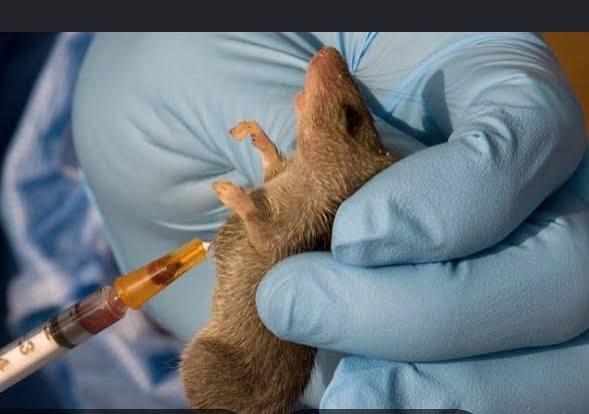
Nigeria is witnessing a renewed rise in Lassa fever infections, with the Nigeria Centre for Disease Control and Prevention (NCDC) confirming that the disease has claimed 221 lives as health authorities intensify efforts to contain its spread.
The latest epidemiological report released by the NCDC indicates that confirmed cases continue to emerge across several states, underscoring the persistent public health challenge posed by the viral hemorrhagic disease.
Health officials said surveillance activities have been strengthened nationwide while state governments, healthcare facilities and development partners continue working together to improve case detection, laboratory diagnosis and patient management.
The agency urged Nigerians to remain vigilant and adopt preventive measures aimed at reducing exposure to the virus, particularly in communities where cases have been recorded.
Fresh Rise in Confirmed Cases
According to the NCDC, the recent increase in infections reflects ongoing transmission in multiple states, with several local government areas reporting new confirmed cases during the latest reporting period.
The agency noted that the disease remains endemic in parts of Nigeria, particularly during the dry season, although infections can occur throughout the year.
Public health experts say continuous surveillance has improved the early detection of cases, enabling faster response by health authorities.
However, they also warn that delayed presentations at healthcare facilities remain a major factor contributing to fatalities.
The NCDC emphasized that early diagnosis and prompt treatment significantly improve the chances of survival for infected patients.
States Most Affected
While cases have been reported across numerous states, most confirmed infections continue to originate from states that historically account for the largest burden of Lassa fever.
These include Ondo, Edo, Bauchi, Taraba, Ebonyi and several other states where environmental conditions and rodent populations contribute to disease transmission.
Health authorities continue to monitor outbreaks closely through coordinated surveillance systems involving state ministries of health, treatment centers and laboratories.
Rapid response teams have also been deployed to investigate suspected outbreaks and strengthen infection prevention measures in affected communities.
Understanding Lassa Fever
Lassa fever is an acute viral hemorrhagic illness caused by the Lassa virus.
The disease is primarily transmitted through contact with food or household items contaminated by the urine or feces of infected multimammate rats, which serve as the natural reservoir of the virus.
Human-to-human transmission can also occur, particularly in healthcare settings where infection prevention and control measures are inadequate.
Symptoms often begin with fever, weakness, headache and sore throat before vomiting, diarrhea, chest pain and, in severe cases, internal bleeding and organ failure.
Because the early symptoms resemble those of malaria, typhoid fever and other common illnesses, diagnosis can be challenging without laboratory testing.
NCDC Intensifies Public Health Response
The NCDC said it has activated multiple response measures aimed at reducing the spread of the disease and improving patient outcomes.
These include enhanced disease surveillance, laboratory testing, case management, risk communication and community engagement activities.
The agency is also working closely with state governments, healthcare workers and international partners to strengthen outbreak response capacity.
Healthcare workers have been advised to maintain strict infection prevention protocols, including the use of personal protective equipment when managing suspected or confirmed cases.
Isolation facilities and treatment centers remain operational in several affected states.
Preventive Measures
Health experts continue to emphasize that prevention remains the most effective strategy for reducing Lassa fever infections.
The NCDC advises Nigerians to store food in rodent-proof containers, maintain clean household environments and properly dispose of waste to discourage rodent infestations.
Residents are also encouraged to avoid contact with rodents and refrain from consuming food contaminated by rat droppings or urine.
Anyone experiencing persistent fever or symptoms consistent with Lassa fever should seek immediate medical attention rather than self-medicating.
Early treatment with appropriate antiviral medication has been shown to improve survival when administered promptly.
Challenges Facing Health Authorities
Despite improvements in surveillance and laboratory capacity, several challenges continue to complicate efforts to control Lassa fever.
These include delayed healthcare seeking, limited public awareness in some communities, inadequate sanitation and the continued presence of rodent populations in residential areas.
Healthcare facilities also face the challenge of preventing hospital-acquired infections through strict adherence to infection prevention and control protocols.
Public health specialists stress that sustained investment in disease surveillance, laboratory infrastructure and health education remain essential for reducing future outbreaks.
Community Awareness Remains Critical
The NCDC has intensified public awareness campaigns encouraging communities to adopt healthy environmental practices and report suspected cases early.
Traditional rulers, religious leaders and community-based organizations are also supporting efforts to educate residents on disease prevention and the importance of seeking timely medical care.
Experts say community participation remains one of the strongest tools in limiting the spread of infectious diseases.
Improved public understanding of transmission routes can significantly reduce infections and encourage early presentation to healthcare facilities.
Looking Ahead
As Nigeria continues to respond to the latest surge in Lassa fever cases, health authorities remain focused on reducing fatalities through early diagnosis, effective treatment, and stronger preventive measures.
The NCDC reiterated its commitment to working with federal and state governments, healthcare professionals and development partners to strengthen disease surveillance and outbreak response.
The agency also urged Nigerians to remain alert, observe recommended hygiene practices and promptly report suspected symptoms to the nearest healthcare facility.
With 221 deaths already recorded, public health experts warn that continued vigilance will be necessary to prevent further transmission and protect vulnerable communities from one of Nigeria's most persistent infectious disease threats.
Authorities maintain that while the situation remains concerning, coordinated public health interventions and increased public awareness can significantly reduce the impact of Lassa fever across the country. (NCDC)