Lagos Warns Residents as Adulterated Palm Oil with Cancer-Linked Dyes Floods Markets
Lagos State has warned residents about increasingly sophisticated adulterated palm oil in markets, with experts raising concerns over potentially carcinogenic Sudan and Azo dyes.
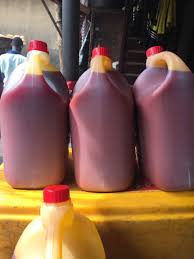
The Lagos State Government has raised the alarm over the circulation of increasingly sophisticated adulterated palm oil in markets across the state, warning residents to exercise greater caution when purchasing the widely consumed cooking ingredient.
The warning was issued through the Lagos State Consumer Protection Agency (LASCOPA) following concerns raised at the 2026 Lagos State Food Safety Conference and Exhibition. Experts at the conference identified the use of potentially carcinogenic Sudan and Azo dyes, recycled cooking oil and multiple adulterants among emerging risks in the palm oil market.
The alert comes amid growing concerns about food fraud and the difficulty consumers face in distinguishing genuine palm oil from products that have been chemically altered to improve their appearance or reduce production costs.
LASCOPA Issues Red Alert
LASCOPA General Manager and Chief Executive Officer, Afolabi Solebo, urged Lagos residents to be vigilant and report suspected adulterated palm oil and traders involved in unsafe practices.
Solebo said the agency had intensified surveillance operations across markets in the state and warned that anyone found dealing in adulterated products would face arrest and prosecution under relevant laws. (Vanguard News)
LASCOPA is responsible for protecting consumer rights in Lagos, including monitoring markets, investigating complaints and enforcing compliance with consumer protection and quality standards. The agency also conducts market surveillance and scientific investigations involving potentially unsafe products.
Why Palm Oil Is Vulnerable to Adulteration
The latest warning followed a technical presentation by Dr. Nurah Oseni, a Senior Lecturer in the Department of Food Technology at Auchi Polytechnic.
In her presentation, titled “Palm Oil Adulteration: Emerging Risks, Detection Strategies and Regulatory Control,” Oseni explained that palm oil is particularly vulnerable to adulteration because of its high trading volume, informal market practices, price differences and consumer preference for deep-red oil.
That preference, she explained, can provide an opportunity for dishonest traders to manipulate the appearance of lower-quality products.
Some adulterants can be used specifically to produce an attractive colour that consumers may associate with freshness or superior quality.
Cancer-Linked Dyes Raise Health Concerns
Among the concerns highlighted by Oseni were Sudan and Azo dyes, which may be used to artificially enhance the colour of palm oil.
The concern is particularly serious because some industrial dyes have been associated with carcinogenic risks and are not approved for use as food colourants. Nigeria's food regulator, NAFDAC, has previously warned against the use of Azo dyes in palm oil because of associated health risks. (The Guardian Nigeria)
However, the current Lagos warning does not mean that all palm oil sold in Lagos is cancer-causing. Rather, the concern relates to palm oil that has been deliberately adulterated with unsafe substances.
That distinction is important for consumers because palm oil remains a commonly consumed food product, while the immediate food-safety concern identified by authorities is fraudulent adulteration.
Recycled Oil Also Identified as a Risk
The food-safety presentation also raised concerns over the practice of mixing palm oil with recovered or recycled oils, including spent cooking oil.
According to reports from the conference, some traders may use multiple adulterants simultaneously, making it more difficult for consumers and basic market checks to identify contaminated products.
The problem is compounded by what experts described as traceability fraud, including falsified labels and batch records.
These practices can make it difficult to determine where a product originated, who processed it and whether appropriate food-safety procedures were followed.
Can Consumers Identify Adulterated Palm Oil?
Experts have advised consumers to exercise caution with unusually coloured palm oil, but they have also warned against relying exclusively on appearance.
Oseni noted that authentic palm oil may naturally separate into layers when left standing, with the lower layer potentially appearing orange to red-yellowish rather than maintaining a uniform deep-red appearance.
However, visual inspection cannot conclusively establish whether palm oil has been adulterated.
This means consumers should be wary of online or informal claims that a simple household test can definitively determine whether palm oil is safe.
Oseni specifically warned that even a water test cannot conclusively establish adulteration, stressing the importance of scientific testing. (Punch Newspapers)
Experts Call for Scientific Testing
To tackle the problem, Oseni proposed a more comprehensive detection system involving risk-based screening, rapid physicochemical and spectroscopic tests and confirmatory laboratory analysis.
She also proposed a five-step surveillance framework: “Risk Map, Sample, Screen, Confirm and Act.”
The framework would require cooperation between regulators, laboratories, researchers, processors, traders and consumers.
Such an approach would move food-safety enforcement beyond simply responding to complaints after contaminated products have reached consumers.
What Lagos Residents Should Do
Consumers have been encouraged to buy palm oil from trusted and traceable sources, pay attention to product information where available and avoid making purchasing decisions solely on the basis of colour.
Residents who suspect that a trader is selling adulterated palm oil should report the matter to LASCOPA through its official channels.
The agency's warning also places responsibility on traders and other participants in the food supply chain to ensure that products entering Lagos markets meet applicable safety requirements.
Stronger Surveillance Ahead
The latest warning highlights the wider challenge of food fraud in a large commercial centre such as Lagos, where millions of consumers depend on complex food supply chains every day.
LASCOPA's intensified market surveillance is expected to focus on identifying unsafe products and taking enforcement action against offenders.
For consumers, the central message from the authorities and food-safety experts is caution: not every unusually red palm oil is necessarily adulterated, but colour alone should never be treated as proof of quality or safety.
As regulators increase surveillance, stronger traceability, laboratory testing and consumer awareness will remain important tools in preventing potentially hazardous adulterated palm oil from reaching household kitchens.