Lagos Seeks Residents’ Input for 2027 Budget as Government Begins Consultations Across Five Divisions
Lagos State Government has begun consultations with residents across its five divisions to gather priorities and development needs for the 2027 budget and strengthen citizen participation.
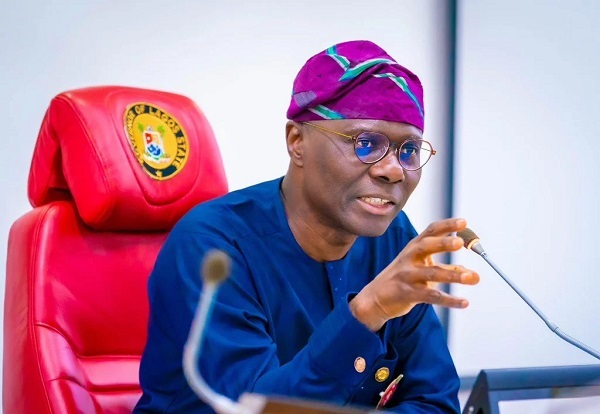
The Lagos State Government has commenced consultations with residents across the state's five divisions as part of preparations for the 2027 budget, giving citizens and other stakeholders an opportunity to influence government spending priorities.
The exercise, organised by the Lagos State Ministry of Economic Planning and Budget, is designed to gather grassroots input on projects, programmes and policies that residents want the government to prioritise in the coming fiscal year.
The consultations began on Monday, September 7, 2026, with the forum for the Ikeja Division held at the Multipurpose Hall of Radio Lagos, Agidingbi, Ikeja. The exercise is scheduled to continue across the state's five divisions during the week.
Government Wants Residents to Influence Budget Priorities
Speaking at the Ikeja consultation forum, Lagos State Commissioner for Economic Planning and Budget, Ope George, said the exercise was intended to give residents a direct opportunity to communicate their needs and influence government priorities.
George explained that the state government returns to the divisions every year to listen to residents and identify the issues they want addressed through the upcoming budget.
According to him, the consultation is not only about gathering fresh requests but also about providing feedback on demands raised during previous consultations.
The approach is intended to create a continuous dialogue between the government and communities rather than limiting citizen participation to the period when a budget is being prepared.
Consultations Cover Lagos' Five Divisions
The 2027 budget consultation is being conducted across Lagos' five administrative divisions, providing communities outside the state capital with opportunities to contribute to the budget process.
The state government announced that the consultations would run from September 7 to September 11, 2026, with residents invited to participate in the respective divisional forums.
The division-based approach is significant because Lagos has communities with very different infrastructure, environmental, transportation, housing, healthcare and economic needs.
While residents in densely populated urban areas may prioritise traffic management and public transportation, communities in other parts of the state may place greater emphasis on roads, drainage, flood control, environmental management, water supply or agricultural infrastructure.
The consultation therefore provides the government with an opportunity to identify these differences when developing its spending priorities.
Government Reports Progress on Previous Requests
An important feature of the consultation process is that the government is also using the forums to report on what has happened to requests made by residents in previous years.
George said the government could not accommodate every request submitted by residents because of competing demands and available resources.
However, he explained that the administration has maintained the practice of returning to communities to report on the level of implementation of projects and programmes linked to previous consultations.
This feedback mechanism is intended to make the process more transparent and demonstrate how citizens' contributions have influenced government decisions.
The process also allows residents to raise concerns where previously promised projects have not been implemented or where completed projects require additional attention.
Residents Expected to Identify Development Priorities
The consultation gives Lagos residents an opportunity to identify projects they believe should receive greater attention in the 2027 budget.
Among the broad areas expected to feature prominently are infrastructure, transportation, healthcare, education, environmental management, housing, security and economic development.
The Lagos State Government has repeatedly emphasised the importance of aligning public expenditure with the needs of residents.
Permanent Secretary of the Ministry of Economic Planning and Budget, Olayinka Ojo, said the consultation was designed to ensure that government resources are allocated in line with the priorities and aspirations of stakeholders.
She described the exercise as an opportunity for residents to contribute to the state's development agenda.
Environmental Management Emerges as Key Concern
At the Ikeja forum, stakeholders called for sustained investment in environmental management and urged the government to consolidate its efforts to maintain Lagos' environmental standards.
Environmental management is particularly important for Lagos because of the state's dense population, extensive urban development and vulnerability to flooding and other environmental challenges.
Drainage, waste management, flood prevention, road construction and maintenance are therefore issues that can directly affect residents' daily lives.
Stakeholders' emphasis on environmental management demonstrates how the consultation process can help government identify priorities that may not necessarily be captured through top-down planning alone.
Citizen Participation and Accountability
The 2027 budget consultations also form part of the broader debate over citizen participation in public finance.
Budgets determine how government resources are distributed among competing priorities. Allowing residents to contribute to that process can potentially improve the alignment between government spending and the needs of communities.
However, participation is only meaningful if public input is followed by measurable action.
The Lagos government appears to recognise this challenge by combining the collection of new demands with reports on the implementation of previous requests.
That model creates an opportunity for residents to assess whether their contributions have translated into actual projects and services.
Budget Process Comes Amid Rising Public Expectations
The consultation comes at a time when residents across Nigeria are dealing with increased living costs and economic pressures.
For many Lagos residents, the effectiveness of government spending is measured by issues that directly affect household finances and quality of life, including transportation costs, access to healthcare, education, housing, electricity alternatives, roads and employment opportunities.
Lagos, as Nigeria's commercial hub and one of Africa's largest metropolitan areas, also faces the complex challenge of maintaining infrastructure while accommodating continued population growth and economic activity.
The 2027 budget will therefore be closely watched by businesses, residents, investors and civil society organisations.
From Consultation to Implementation
While the consultation provides residents with a platform to make their demands known, the next challenge will be translating those demands into realistic and properly funded projects.
Not every request can be included in the final budget because government resources are finite and projects must compete for funding.
The Ministry of Economic Planning and Budget will therefore have to evaluate the submissions, establish priorities and determine which proposals can be incorporated into the state's fiscal plan.
The process will ultimately lead to the preparation and presentation of the 2027 Appropriation Bill, which will then undergo the appropriate legislative consideration.
Lagos Residents Get Opportunity to Shape 2027 Spending
The Lagos State Government's decision to consult residents before finalising the 2027 budget represents an effort to make the budgeting process more participatory.
By taking the exercise across the state's five divisions, the government is seeking to capture priorities from communities with different economic, environmental and infrastructure needs.
For residents, the consultations offer an opportunity to move beyond general complaints about government services and make specific demands for projects and programmes that can improve their communities.
For the government, the exercise provides valuable grassroots information that can help guide resource allocation.
The real test, however, will come after the consultations when residents will expect to see their priorities reflected in the 2027 Lagos State budget and translated into measurable improvements.
If the consultation process leads to greater transparency, stronger accountability and better alignment between public spending and community needs, it could strengthen citizens' confidence in Lagos' budgetary process.