Lagos Government Orders Evacuation of Flood-Prone Communities as NiHSA Issues Seven-Day Warning
Lagos State Government has directed residents in flood-prone and low-lying communities to relocate to higher ground following a seven-day NiHSA flood alert covering September 19 - 25, 2026.
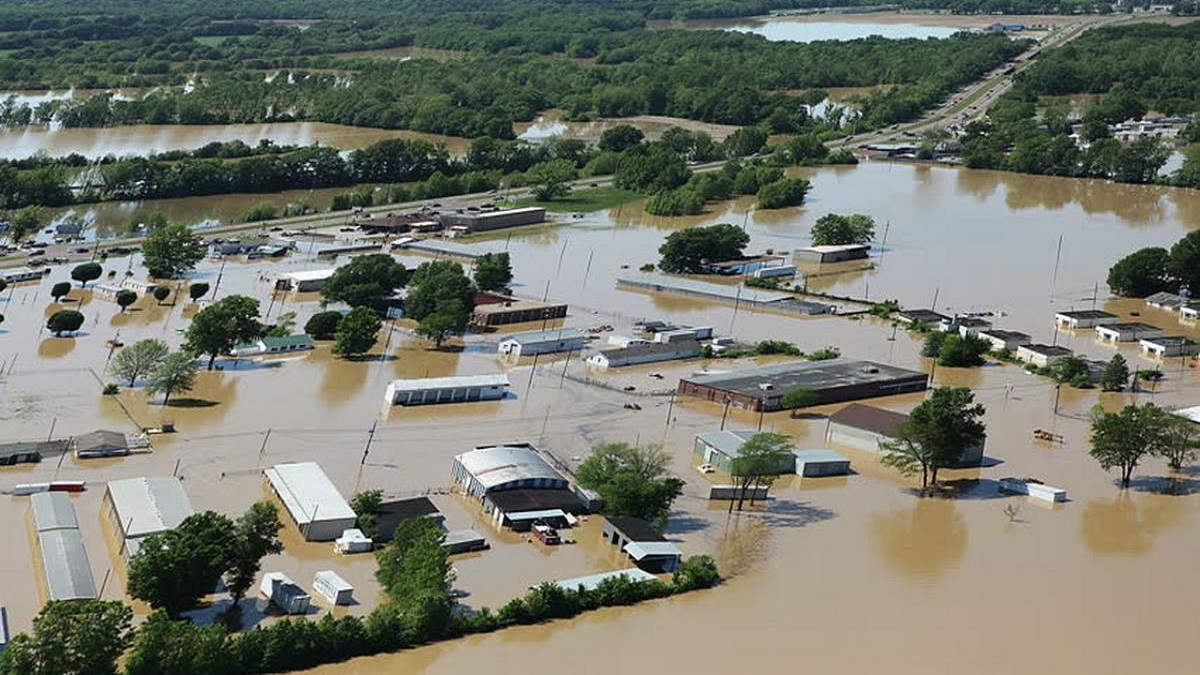
The Lagos State Government has directed residents living in flood-prone and low-lying communities to temporarily relocate to higher ground following a fresh seven-day flood alert issued by the Nigerian Hydrological Services Agency (NiHSA).
The warning, covering September 19 to 25, 2026, affects Lagos and 14 other states, with authorities cautioning that rising river levels and continued rainfall could trigger flooding in vulnerable communities.
Lagos Commissioner for the Environment and Water Resources, Tokunbo Wahab, urged residents not to wait until floodwaters begin rising before taking precautionary measures.
“When the signs point to danger, the safest decision is to move early. No property is worth risking a life,” Wahab said in a statement issued by the ministry's Director of Public Affairs, Kunle Adeshina. (Punch Newspapers)
Lagos communities identified as vulnerable
The state government identified several communities and locations considered particularly vulnerable under the latest flood advisory.
They include Eti-Osa, Lagos Island, Oke-Ira Nla in Ajah, Kirikiri, Ilaje Waterfront Jetty and Jetty Terminal B.
Residents in these locations have been advised to move to safer, elevated areas and remain there until the peak of the renewed rainy season passes.
Other communities downstream of the Ogun River and Isheri Olofin have also been placed on heightened alert.
They include Isheri North, Kara, Itowolo, Ajegunle, Majidun, Ogolonto and parts of Agboyi.
The government said residents in these areas should be particularly vigilant between September 19 and September 25 because rainfall upstream and rising water levels could increase the volume of water reaching downstream communities. (Trending News)
Why Lagos is at risk
Lagos is particularly vulnerable to flooding because of its extensive network of waterways, lagoons, wetlands and low-lying coastal communities.
The latest NiHSA advisory warned that rising river levels could cause flooding in vulnerable areas and potentially affect critical infrastructure, including schools, healthcare facilities, markets, farms and places of worship.
According to the federal advisory, communities located along floodplains should prepare to move to higher ground when necessary. (Arise News)
The Lagos government said it was taking the warning seriously and had intensified monitoring of river levels, rainfall patterns and other hydrological conditions across vulnerable areas.
Officials are also working with relevant federal agencies to monitor developments and strengthen the state's response to potential flooding.
Government urges early evacuation
The state government stressed that residents should treat flood warnings as an early opportunity to protect lives and property rather than waiting for an emergency to develop.
Residents living close to rivers, lagoons, wetlands, drainage channels and other bodies of water have been advised to follow official forecasts and prepare for temporary relocation whenever flooding becomes imminent.
The government has also called on local government authorities, emergency management agencies and community leaders to activate their early-warning and emergency-response mechanisms.
Where necessary, residents are being encouraged to move people, livestock and valuable possessions to safer locations before floodwaters become dangerous.
The advice is particularly important for households with children, elderly people and people who may have difficulty moving quickly during an emergency.
Warning against driving through floodwaters
Beyond the evacuation directive, the Lagos government has cautioned residents against attempting to walk or drive through flooded roads, bridges and areas with fast-moving water.
Floodwater can conceal open drainage channels, damaged roads and other hazards, making apparently shallow water potentially dangerous.
Residents have therefore been advised to avoid unnecessary movement through flooded areas and follow instructions from emergency authorities.
The government also appealed to residents to stop dumping refuse into drains, canals and waterways, warning that blocked drainage channels can worsen flooding and delay the recession of floodwaters.
Drainage and flood monitoring efforts continue
The state government said routine cleaning, maintenance and monitoring of drainage infrastructure would continue as part of its flood mitigation measures.
Officials are also monitoring rainfall and river levels as the state moves through the second phase of the rainy season.
The government's latest warning comes against a broader national backdrop of heightened flood concerns. In August, the Federal Government identified thousands of locations across Nigeria facing varying degrees of flood risk, with Lagos among the states containing communities classified as being at critical risk. (Voice of Nigeria)
The continuing warnings underline the importance of early preparation as rainfall patterns, river levels and runoff combine to increase flood risks in vulnerable areas.
Residents urged to remain vigilant
The Lagos government has called on residents to remain calm but responsive to official warnings.
For people living in the identified high-risk communities, the immediate priority is to monitor official information, prepare essential belongings and make arrangements to move to higher ground if flooding becomes imminent.
The state has also encouraged communities to strengthen local communication networks so that warnings can reach residents quickly.
As the September 19 - 25 flood-risk period continues, authorities will be watching rainfall intensity, river levels and conditions around Lagos' waterways closely.
For residents in low-lying and riverine communities, officials say early action remains critical.
The latest directive is therefore not simply a warning about possible flooding but a call for residents in vulnerable locations to prepare for temporary evacuation before conditions become life-threatening.
With Lagos facing recurring flood risks during periods of intense rainfall, cooperation between residents, community leaders and emergency agencies will remain essential to reducing casualties and protecting property.
The Lagos State Government has urged residents to take the latest NiHSA alert seriously and to prioritise human life over property as the state navigates the latest period of elevated flood risk.