Labour Congress Rejects N100,000 Minimum Wage Proposal, Demands Better Deal for Nigerian Workers
The Nigeria Labour Congress has rejected a proposed N100,000 minimum wage offer, insisting it remains inadequate amid rising inflation, economic hardship, and increasing cost of living across Nigeria.
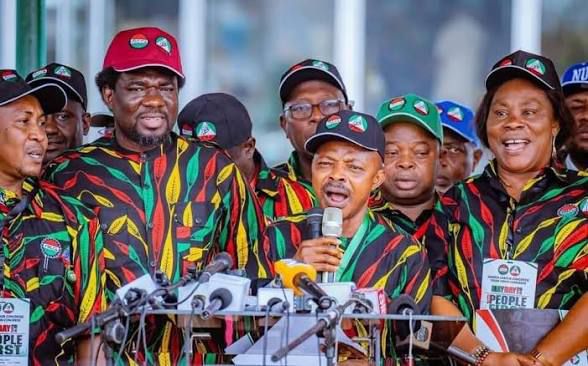
The Nigeria Labour Congress (NLC) has rejected a proposed N100,000 national minimum wage package, arguing that the amount remains insufficient to address the severe economic realities currently confronting Nigerian workers.
The decision, announced after consultations among labour leaders and union representatives, has intensified ongoing negotiations between organized labour, the federal government, and private sector stakeholders over a new wage structure for workers across the country.
Labour leaders insist that the proposed figure does not adequately reflect rising inflation, soaring transportation costs, food price increases, and the broader cost-of-living crisis affecting millions of Nigerians.
The rejection signals the possibility of renewed tensions between labour unions and government authorities as negotiations over workers’ welfare continue.
Labour Leaders Say Proposal Falls Short
Union officials stated that while the N100,000 proposal appeared higher than previous wage benchmarks, it still failed to meet the practical realities facing Nigerian workers in the current economic climate.
According to labour representatives, inflation and the sharp decline in purchasing power have significantly reduced the value of workers’ salaries nationwide.
Labour leaders argued that many households now struggle with necessities including food, housing, transportation, healthcare, and education expenses. (Vanguard news)
The union maintained that any new national minimum wage must realistically reflect the economic pressures currently affecting ordinary Nigerians.
Economic Hardship Fuels Wage Debate
Nigeria has faced mounting economic challenges over recent years, with inflation, currency instability, fuel price increases, and rising living costs placing enormous pressure on households and businesses.
The removal of fuel subsidies and fluctuations in the value of the naira have contributed to sharp increases in transportation and commodity prices across the country.
Workers’ unions say many civil servants and low-income earners are finding it increasingly difficult to survive on existing salary structures.
Labour groups argue that wage adjustments have become necessary to prevent deeper economic hardship among workers.
Government and Labour Negotiations Continue
The minimum wage negotiations involve representatives from the federal government, labour unions, and organized private sector groups.
Government officials have repeatedly stated that wage discussions must balance workers’ welfare with fiscal realities and the financial capacity of both federal and state governments.
Some state governments have previously expressed concerns about their ability to sustain significantly higher wage obligations without affecting public finances.
Labour leaders, however, insist that workers should not bear the burden of economic mismanagement and inflationary pressures alone.
NLC Warns Against Imposing Unacceptable Terms
The NLC warned that any attempt to impose what it considers an unrealistic wage structure without proper agreement could trigger industrial action nationwide.
Union leaders stressed that Nigerian workers have endured years of economic difficulty and deserve compensation capable of supporting decent living standards.
The labour movement also accused some policymakers of underestimating the daily financial struggles faced by average citizens.
Analysts say the rejection of the N100,000 proposal may prolong negotiations and increase pressure on government authorities to improve the offer.
Rising Cost of Living Remains Major Concern
The wage debate comes amid growing public frustration over the rising cost of living in Nigeria.
Food inflation has continued affecting household budgets, while rents, transportation fares, electricity costs, and healthcare expenses have also increased sharply in many cities.
Urban workers, particularly in major commercial centers such as Lagos, Abuja, and Port Harcourt, have been among the hardest hit by inflationary pressures.
Labour unions argue that wage adjustments must consider the true cost of maintaining a reasonable standard of living.
Economists Divided Over Wage Increase
Economic experts remain divided over the implications of substantially increasing the national minimum wage.
Some analysts support labour demands, arguing that improved wages could stimulate consumer spending and reduce poverty levels.
Others warn that drastic wage increases without corresponding productivity growth could place additional pressure on inflation and government finances.
Business groups have also raised concerns that smaller companies may struggle to absorb significantly higher labour costs.
Workers Express Frustration
Many Nigerian workers welcomed the labour union’s rejection of the proposal, insisting that N100,000 remains insufficient given current economic realities.
Some workers say transportation alone consumes a substantial portion of monthly earnings, leaving little for feeding, school fees, and healthcare.
Civil servants and private sector employees alike have increasingly complained about declining purchasing power and worsening financial pressure.
Social media discussions surrounding the wage debate reflected widespread frustration over economic hardship and declining living conditions. (Punch News)
Organized Labour Pushes for Sustainable Solution
The labour movement says its objective is not merely to secure a temporary salary increase but to achieve a sustainable wage structure capable of protecting workers from inflation and economic instability.
Union leaders called for broader economic reforms aimed at stabilizing prices, improving employment conditions, and boosting local productivity.
Some labour representatives also urged government authorities to reduce wasteful spending and prioritize social welfare programs.
Potential Impact on the National Economy
Analysts warn that prolonged disagreements over the minimum wage could affect industrial relations and economic stability if not resolved through dialogue.
Past disputes between labour unions and the government over wages and fuel policies have occasionally resulted in nationwide strikes and disruptions to economic activities.
Observers say both sides are likely to continue negotiations to avoid large-scale industrial action.
The outcome of the talks could also influence public perception of the government’s handling of economic challenges.
Pressure Mounts on Government
The rejection of the proposal places additional pressure on federal authorities already facing criticism over inflation, unemployment, and economic reforms.
Labour unions are expected to continue consultations with affiliate bodies and state chapters before deciding on further action.
Government negotiators, meanwhile, are reportedly exploring options for reaching a compromise acceptable to both labour representatives and fiscal planners.
Conclusion
The Nigeria Labour Congress’s rejection of the proposed N100,000 minimum wage reflects growing frustration among workers struggling with rising living costs and economic uncertainty.
As negotiations continue, the debate highlights the broader challenges facing Africa’s largest economy, where inflation, unemployment, and declining purchasing power remain major concerns for millions of citizens.
Whether both sides can reach a compromise without triggering industrial unrest may significantly shape Nigeria’s economic and political atmosphere in the coming months.