King Charles Strips Prince Andrew of All Royal Titles: A Royal Reckoning with Global Ripples
King Charles III’s decision to strip Prince Andrew of all royal titles marks a turning point for the monarchy. Explore public reaction, historical context, and the global implications of this unprecedented royal move.
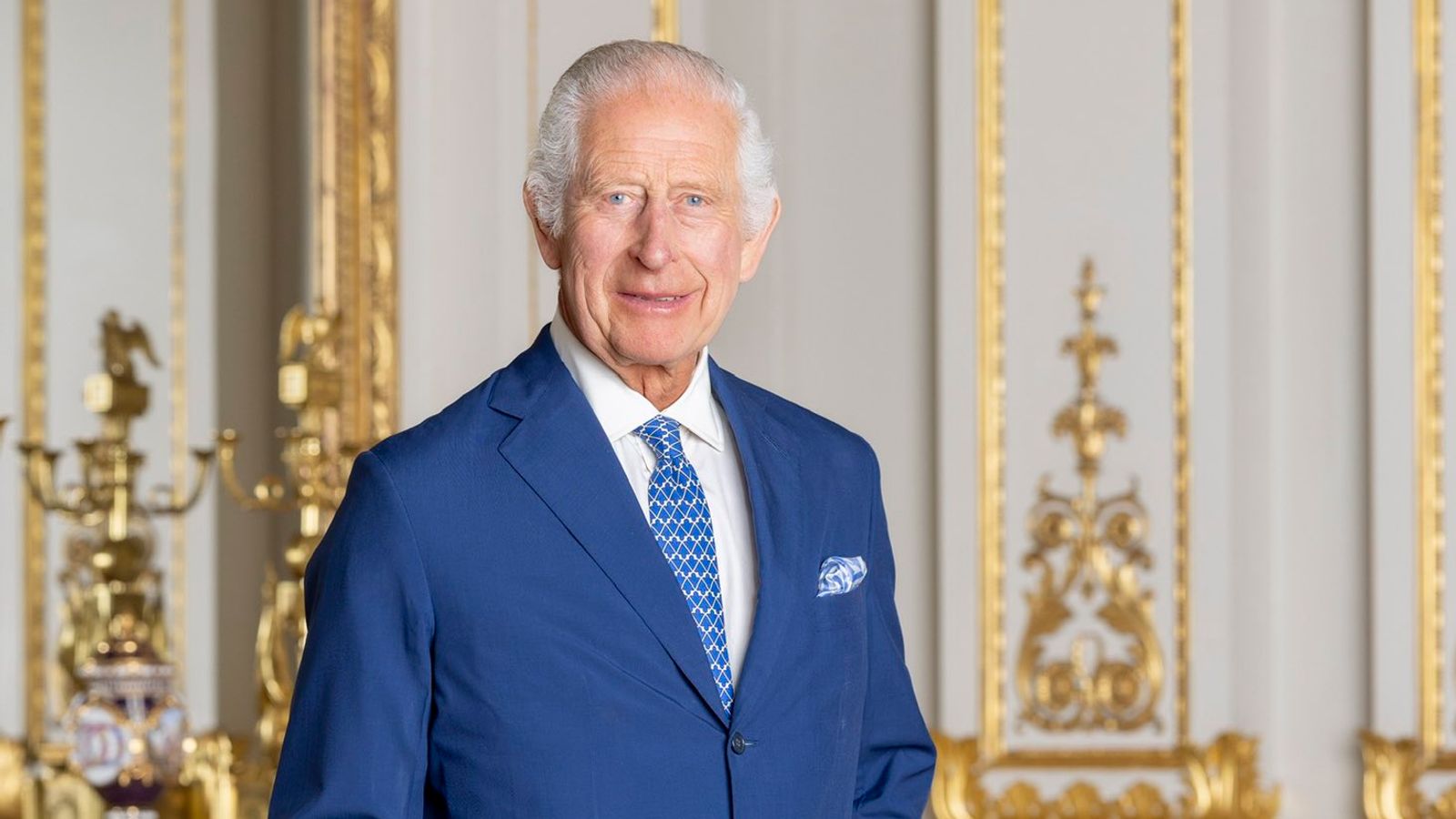
In a move that has stunned the United Kingdom and captivated global attention, King Charles III has officially stripped his younger brother, Prince Andrew, of all royal titles, honours, and privileges - a step many royal commentators describe as “unprecedented in modern royal history.”
According to BBC News, a statement from Buckingham Palace confirmed that Andrew will no longer bear the styles “Prince” or “His Royal Highness,” and will instead be formally known as Andrew Mountbatten-Windsor.
The decision also includes the removal of his Dukedom of York, Earldom of Inverness, and Barony of Killyleagh, as well as knighthoods such as the Order of the Garter and the Royal Victorian Order.
The Palace stated the move was made “to preserve the integrity of the Crown and the trust of the British people,” a direct acknowledgement of the monarchy’s fragile reputation amid recent scandals.
A Long Fall from Grace
Once celebrated as “the Queen’s favourite son,” Prince Andrew’s downfall traces back to his association with the late financier and convicted sex offender Jeffrey Epstein, as detailed by The Guardian.
His name surfaced in U.S. court documents relating to Virginia Giuffre’s allegations that Epstein trafficked her for sex when she was underage - claims Andrew has consistently denied.
In 2022, the Duke reached an out-of-court settlement with Giuffre for an undisclosed amount, according to Reuters, though he admitted no wrongdoing. The public, however, was unconvinced.
His infamous BBC “Newsnight” interview in 2019 - described by The New York Times as “a catastrophic attempt at self-defense” - marked a turning point. His failure to express empathy for Epstein’s victims led to widespread outrage and his withdrawal from public duties.
By the time King Charles ascended the throne in 2022, few doubted that his brother’s royal career was beyond repair. Thursday’s announcement merely formalised an exile years in the making.
Public Reaction: Relief, Sadness, and a Desire for Accountability
Reactions across the United Kingdom have been swift and emotional. Polling by YouGov shows that 72% of Britons support the King’s decision, seeing it as a long-overdue act of accountability.
“I think this shows King Charles understands the public mood,” said historian Dr. Anna Whittaker of the University of London, in remarks reported by Sky News. “People needed to see that no one - not even a royal - stands above moral scrutiny.”
Outside Buckingham Palace, crowds described the move as “sad but necessary.” Some sympathized with Andrew’s personal loss; others saw it as essential to protect the monarchy’s moral authority.
The Palace further confirmed that Andrew has been asked to vacate his longtime residence, Royal Lodge in Windsor, and will relocate to a smaller home on the Sandringham estate, according to The Times UK.
A Strategic Move to Protect the Monarchy
From a strategic standpoint, King Charles’s decision reflects a calculated effort to restore public confidence in the monarchy after years of reputational strain.
Royal commentator Richard Fitzwilliams told CNN that the King acted “to draw a clear moral line between the institution and personal scandal.”
Since taking the throne, Charles has faced persistent challenges - from debates over royal finances to the fallout of Prince Harry and Meghan Markle’s exit, covered extensively by The Independent.
By removing Andrew’s remaining honours, Charles is signaling to both Britons and Commonwealth citizens that ethical conduct outweighs hereditary privilege in the modern monarchy.
International Reactions: Global Reverberations
The decision has triggered commentary across the Commonwealth and beyond.
In the United States, major outlets such as NBC News and The Washington Post framed the move as “a watershed moment for royal accountability.”
In Australia and Canada, editorial boards debated whether this marks the beginning of deeper reform or simply damage control. The Sydney Morning Herald called it “an act of self-preservation for a monarchy out of step with democratic ideals,” while The Toronto Star argued that “symbolism alone won’t save an outdated institution.”
In Africa and the Caribbean, the reaction has been more philosophical. Commentators in Ghana, Barbados, and Jamaica drew parallels between the monarchy’s internal reckoning and its unfinished conversation about colonial legacy.
As Ghana’s Daily Graphic columnist Kojo Baffour wrote, “If the British Crown can strip its own bloodline for moral reasons, it must also confront its historical wrongs abroad.”
Global Implications: Morality, Power, and Public Trust
The stripping of Andrew’s titles transcends royal etiquette. It highlights the global demand for moral integrity in leadership, be it political, corporate, or monarchical.
In the post-#MeToo era, accountability has become a universal expectation. No public figure - from presidents to princes - can escape the scrutiny of an informed and vocal society.
This event also underscores a broader shift in global governance: the erosion of immunity for elites. From corporate scandals to political resignations, transparency now defines legitimacy.
As The Economist observed, King Charles’s decision may mark the beginning of “a more self-policing monarchy,” one that must continuously justify its moral authority to survive in a skeptical age.
For many in the Commonwealth, particularly nations reassessing their ties to the Crown, this moment raises pressing questions:
Can symbolic justice within the royal family translate into meaningful reform?
Will the monarchy evolve to embody modern democratic values, or remain trapped by tradition?
The Future of the Crown
Prince Andrew technically remains in the line of succession, a status that can only be altered through parliamentary action across the United Kingdom and other Commonwealth realms. However, experts widely agree that his public life is effectively over.
For King Charles III, this may prove to be a defining act of moral clarity - one that prioritizes institutional integrity over familial loyalty.
As Britain faces social change, economic strain, and generational skepticism about monarchy, this bold step may signal a new era of ethical leadership within the House of Windsor.
In the words of The Guardian’s editorial board, “By holding his own brother to account, King Charles has done what his predecessors often failed to do - put duty above dynasty.”