King Charles’ Historic Address to Congress: Fallout, Global Reactions, and Lessons from a Royal Diplomatic Moment
King Charles III made history with a landmark address to the U.S. Congress. Explore the political fallout, diplomatic significance, public reactions, and key lessons from the monarch’s rare speech.
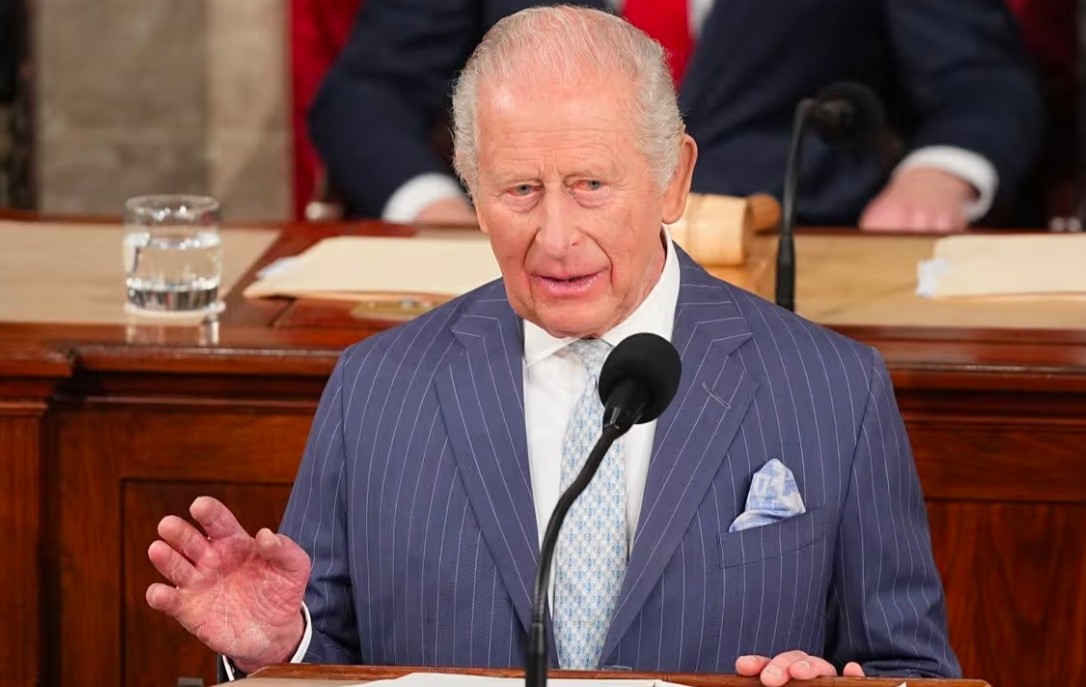
King Charles III delivered a historic address to the United States Congress this week, becoming only the second British monarch ever to speak before a joint meeting of lawmakers. The speech, delivered during his state visit to Washington, immediately drew international attention for its symbolism, political undertones, and timing amid tensions between the United States and the United Kingdom over foreign policy and global security. (Reuters)
The moment was more than ceremonial. It was a carefully calibrated exercise in diplomacy, soft power, and political messaging delivered at a time when Western alliances face pressure from wars abroad, economic competition, and growing populism at home.
A Historic Royal Moment
King Charles addressed lawmakers in the House Chamber on April 28, 2026, receiving a prolonged standing ovation as he entered with Queen Camilla. His speech marked the first time a British king had ever addressed Congress and only the second appearance by a British sovereign after Queen Elizabeth II spoke in 1991. (CBS News)
Charles acknowledged the complex shared history between Britain and America, including the Revolutionary War, while emphasizing that the two nations had evolved into indispensable allies. He praised democratic institutions, legal traditions, and the enduring partnership between London and Washington.
The address also coincided with America’s 250th anniversary celebrations, adding further historical significance to the occasion. (New York Post)
Speech Themes: Unity, Democracy, and Global Responsibility
The king’s message centered on unity in a dangerous world. He warned that modern challenges from conflict in Europe and the Middle East to economic disruption and emerging technologies could not be solved by one nation acting alone.
He highlighted NATO, cooperation with Ukraine, intelligence sharing, trade, and scientific collaboration. The speech framed the Anglo-American alliance not as nostalgia, but as a practical necessity in an unstable era.
One of the most discussed lines referenced the principle that “executive power is subject to checks and balances,” a remark that triggered loud applause in the chamber. Many observers interpreted it as a subtle endorsement of democratic guardrails and constitutional limits on power.
Immediate Political Fallout
Though the speech was broadly praised, it also generated political reactions across the American spectrum.
Democratic lawmakers reportedly responded enthusiastically to references to checks and balances, the rules of law, and alliances. Some Republicans applauded the king’s support for NATO and the U.S.-U.K. partnership, though more nationalist figures were less enthusiastic about perceived criticism of isolationist politics.
The speech’s timing was especially sensitive because of recent disagreements between Washington and London over the war with Iran, defense commitments, and broader strategic priorities. Britain had reportedly resisted deeper involvement in the U.S. campaign, creating strains between President Donald Trump and Prime Minister Keir Starmer.
While Charles did not directly criticize either leader, his repeated calls for unity and shared responsibility were widely read as an attempt to calm diplomatic tensions.
Public and International Reactions
Across Britain, many commentators viewed the speech as proof that King Charles has grown into the international role of monarch. Once seen primarily through the lens of environmental advocacy and royal transition, he now appears increasingly comfortable as a statesman representing British interests abroad.
In the United States, reactions were mixed but largely respectful. Even critics of monarchy acknowledged the unusual historical weight of a British king addressing the legislature of a nation founded by rejecting royal rule.
European observers also noted the symbolism: at a moment when alliances appear fragile, Britain used the monarchy to reinforce ties that ordinary politics had strained.
Why the Speech Mattered
King Charles has no executive political power. Yet that is precisely why the speech mattered.
Unlike elected politicians, monarchs can sometimes say what leaders cannot. They can defend institutions, values, and alliances without appearing overtly partisan. Charles used that unique position to deliver a message that blended history, diplomacy, and gentle warning.
He reminded Americans and Britons alike that their relationship has survived wars, economic crises, and policy disagreements because it rests on deeper foundations than temporary governments.
Lessons From the Address
1. Soft Power Still Matters: Military power and trade remain vital, but influence also comes through culture, symbolism, and trust. Britain used its monarchy as a diplomatic asset to reinforce its global relevance.
2. Alliances Need Constant Maintenance: Even the closest partnerships can fray. The U.S.-U.K. relationship remains strong, but the speech showed that alliances require regular reassurance and shared purpose.
3. Institutions Matter in Turbulent Times: The applause for references to constitutional checks and balances revealed continuing public concern about democratic norms. Institutions remain central to political stability.
4. History Can Heal, Not Just Divide: A British king speaking in Congress nearly 250 years after American independence illustrated how former enemies can become strategic partners.
5. Leadership Includes Tone: Charles offered calm, civility, and measured language during a period of intense political polarization. Sometimes style itself becomes substance.
What Comes Next?
Whether the speech changes policy is another question. Symbolic moments do not automatically solve disputes over war strategy, trade, or defense spending. But they can reset atmospheres, lower tensions, and create room for practical diplomacy.
That may be the real value of King Charles’ address. He did not arrive with legislation or military commitments. He arrived with history, restraint, and a reminder that democracies function best when they work with allies rather than against them.
In a fractured geopolitical age, that message may prove more valuable than many expected.