Kenyan Court Dismisses Rastafarians’ Bid to Legalise Cannabis for Religious Use
Kenya’s High Court has dismissed a petition by members of the Rastafarian community seeking to legalize cannabis for religious purposes, reaffirming the country’s strict narcotics laws.
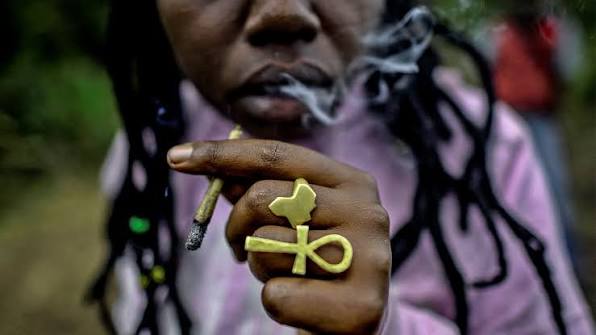
Kenya’s High Court has rejected a petition by members of the Rastafarian community seeking the legalisation of cannabis for religious use, ruling that the country's existing narcotics laws remain valid and that the applicants failed to demonstrate sufficient constitutional grounds for an exemption.
The decision marks another significant development in Kenya’s long-running debate over the balance between freedom of religion and public health, with the court maintaining that cannabis remains an illegal substance under national law despite arguments presented by Rastafarian adherents that its use forms an integral part of their spiritual beliefs.
The petition had sought judicial recognition of the religious use of cannabis, arguing that prohibiting its possession and consumption infringed upon constitutional protections guaranteeing freedom of conscience, belief and worship.
However, the court concluded that while the Constitution safeguards religious freedom, those rights may be subject to reasonable limitations where necessary to protect public health, public safety and the broader public interest.
The Case Before the Court
The lawsuit was filed by members of Kenya's Rastafarian community who argued that cannabis occupies a sacred place in their faith and is used during worship, meditation and other religious ceremonies.
The petitioners contended that criminalizing the substance effectively prevented them from freely practicing their religion.
They urged the court to declare portions of Kenya's narcotics laws unconstitutional or provide a religious exemption permitting registered Rastafarians to possess and use cannabis strictly for spiritual purposes.
Government lawyers opposed the application, arguing that Kenya's anti-narcotics legislation serves legitimate public health and law enforcement objectives.
State attorneys maintained that creating religious exemptions could complicate enforcement efforts and potentially undermine existing drug control policies.
Court Upholds Existing Law
In delivering its judgment, the High Court declined to create the requested exemption.
The court held that Parliament had enacted clear legislation prohibiting the cultivation, possession, sale and use of cannabis, and that any policy changes regarding narcotics should primarily be determined through the legislative process rather than judicial intervention.
The judge also observed that constitutional rights are not absolute and may be restricted where limitations are lawful, reasonable and justifiable in a democratic society.
According to the ruling, the petitioners did not establish that the existing prohibition disproportionately violated their constitutional rights.
The decision effectively leaves Kenya's narcotics framework unchanged.
Religious Freedom Versus Public Interest
The case highlighted broader legal questions surrounding the relationship between religious liberty and government regulation.
Constitutional experts note that many democratic societies recognize freedom of religion while permitting restrictions designed to protect public order, health and safety.
Courts often apply balancing tests to determine whether government limitations on religious practices are proportionate and legally justified.
In this case, the High Court concluded that Kenya's interest in regulating controlled substances outweighed the request for a religious exemption.
Legal scholars say similar constitutional debates have emerged in several countries where minority religious groups have sought recognition of the ceremonial use of otherwise prohibited substances.
Cannabis Laws in Kenya
Cannabis remains classified as an illegal narcotic under Kenya's Narcotic Drugs and Psychotropic Substances (Control) Act.
Individuals convicted of cultivating, possessing or trafficking cannabis may face significant criminal penalties, including imprisonment and substantial fines, depending on the circumstances of each case.
Kenyan authorities have consistently maintained a strict approach toward narcotics enforcement as part of broader efforts to combat drug trafficking and substance abuse.
Law enforcement agencies regularly conduct operations targeting illegal cultivation and distribution networks across the country.
Global Debate on Cannabis Reform
The Kenyan ruling comes at a time when attitudes toward cannabis continue to evolve in many parts of the world.
Several countries have legalized or decriminalized cannabis for medical purposes, while others have expanded legalization to include recreational use under regulated frameworks.
Some jurisdictions have also introduced limited religious exemptions permitting ceremonial cannabis use under specific legal conditions.
However, many African countries, including Kenya, continue to enforce strict narcotics laws that prohibit both recreational and religious consumption.
Public health experts remain divided over the potential risks and benefits associated with broader cannabis legalization.
Reactions to the Judgment
The High Court's decision has generated mixed reactions among legal observers, religious groups and public policy advocates.
Members of the Rastafarian community expressed disappointment, arguing that the judgment failed to adequately recognize the spiritual significance of cannabis within their faith.
Some civil rights advocates also suggested that the case raises important questions about protecting minority religious practices.
Conversely, supporters of the ruling argued that maintaining consistent narcotics laws helps preserve public safety and simplify law enforcement.
Government officials have not indicated any immediate plans to amend existing cannabis legislation.
Possible Appeal
Legal representatives for the petitioners may consider appealing the High Court's decision to a higher judicial authority.
An appeal would likely focus on constitutional interpretations relating to religious freedom and proportional limitations on protected rights.
Constitutional lawyers note that appellate courts could revisit the balance between individual religious practices and broader public interests, although any significant policy change would ultimately remain subject to legislative action.
Looking Ahead
The High Court's judgment reinforces Kenya's existing legal position on cannabis while highlighting the continuing global debate surrounding religious freedom and drug policy.
Although the Rastafarian petition was unsuccessful, the case has drawn renewed public attention to constitutional rights, minority religious protections and the future of cannabis regulation in Kenya.
As discussions continue both within Kenya and internationally, policymakers, legal experts and religious communities are likely to remain engaged in broader conversations about balancing personal freedoms with public health objectives.
For now, however, cannabis remains prohibited under Kenyan law, and the court's decision confirms that any move toward legalization or religious exemption will require action through Parliament rather than the judiciary.