Kenya Pastor Paul Mackenzie Faces Verdict Over Shakahola Massacre, 191 Murder Charges
Kenyan pastor Paul Nthenge Mackenzie faces a landmark court verdict over the alleged starvation deaths of 191 people, mostly children, in the Shakahola Forest massacre. The ruling could mark a major moment in Kenya's fight against religious extremism.
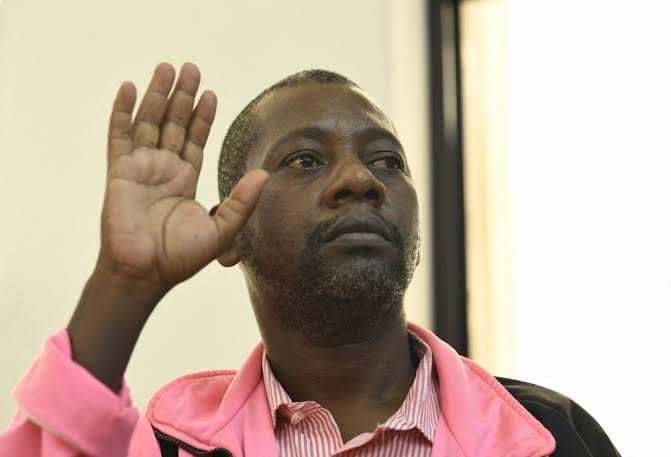
Self-proclaimed Kenyan pastor Paul Nthenge Mackenzie is facing a landmark court verdict on Monday, October 19, 2026, over allegations that he directed followers to starve themselves and their children to death in the belief that they would meet Jesus Christ in heaven.
Mackenzie and 29 co-accused are charged with the murder of 191 people, including 190 children, in a case connected to the Shakahola Forest massacre, one of Kenya's most devastating religious-cult tragedies.
The judgment is being delivered at the Mombasa High Court by Justice Diana Kavedza-Mochache. The proceedings have drawn significant public attention because of the scale of the alleged crimes and the questions they raise about religious extremism, child protection and the regulation of religious organisations.
According to Kenyan newspaper The Star, the judge began reading the lengthy judgment on Monday morning. The verdict was still being delivered at the time of the publication's report, meaning a final determination of guilt or innocence had not yet been confirmed in that account.
Mackenzie and his co-defendants have denied the murder charges. The court's decision is expected to assess the evidence presented by the prosecution and the defence during the proceedings.
The case has remained a major national issue since investigators uncovered mass graves in Shakahola Forest, near the coastal town of Malindi, in 2023. (The Star Kenya)
Prosecutors allege followers were instructed to starve
At the centre of the prosecution's case is the allegation that Mackenzie used his religious influence to persuade followers to undertake extreme fasting in preparation for the end of the world.
Investigators say members of his Good News International Church travelled to the Shakahola area, where they were allegedly encouraged to abandon ordinary life and prepare spiritually for what Mackenzie described as the end times.
Prosecutors argue that the fasting was not simply a voluntary religious practice but part of an organised system that led to the deaths of vulnerable followers, including children.
The state alleges that Mackenzie and his associates played different roles in facilitating the deaths. Prosecutors have argued that children were placed at particular risk and that some parents were instructed to make them fast.
The prosecution also presented evidence concerning the circumstances in which victims died, including forensic findings, witness testimony and accounts from families affected by the tragedy.
According to Daily Nation, prosecutors urged the court to convict Mackenzie and the other accused, arguing that the evidence demonstrated a coordinated, religiously motivated practice of extreme fasting.
The defence, however, has disputed the allegations, and the defendants have pleaded not guilty. The court must determine whether the evidence establishes criminal responsibility beyond reasonable doubt. (Daily Nation)
More than 400 bodies discovered in Shakahola
The investigation began attracting international attention in April 2023, when authorities discovered bodies buried in shallow graves in Shakahola Forest.
The subsequent search and exhumation operations uncovered hundreds of victims, many of whom were believed to have died after prolonged starvation.
The death toll eventually exceeded 400, making the discovery one of the most shocking mass-death cases in Kenya's recent history.
Post-mortem examinations indicated that starvation was the main cause of death in many cases. Investigators also documented deaths involving other forms of violence, including suffocation, strangulation and traumatic injuries.
The victims included men, women and children from different parts of Kenya who had reportedly joined Mackenzie's religious movement.
The scale of the discovery shocked the country and raised urgent questions about how the alleged activities continued for an extended period without being stopped.
Families travelled to the coast seeking information about missing relatives, while investigators relied on forensic examinations and DNA testing to identify victims and establish the circumstances surrounding their deaths.
The tragedy also exposed challenges faced by authorities in monitoring potentially dangerous religious movements while protecting freedom of worship. (CBS News)
Court hears evidence from more than 120 witnesses
The murder trial followed an extensive investigation into the deaths and the activities of Mackenzie's religious movement.
The prosecution called 121 witnesses during its case, presenting testimony and forensic evidence intended to establish the circumstances surrounding the deaths and the alleged roles of the accused.
In April 2026, Justice Kavedza-Mochache ruled that the prosecution had established a prima facie case, requiring the remaining defendants to present their defence. That procedural decision meant the case could proceed; it was not a finding of guilt.
The defence challenged the allegations, arguing that the prosecution's case relied heavily on circumstantial evidence and disputed aspects of the forensic findings.
The judgment must therefore address whether the evidence against each defendant satisfies the legal requirements for a murder conviction.
The lengthy proceedings reflect the complexity of a case involving numerous victims, unidentified remains, multiple accused persons and allegations of organised criminal conduct.
Shakahola tragedy reignites debate over religious regulation
The massacre prompted nationwide debate about the balance between constitutional freedom of religion and the government's responsibility to protect citizens from exploitation and abuse.
Mackenzie had previously faced legal scrutiny before the discovery of the mass graves. His history raised questions about whether authorities could have intervened earlier and prevented further deaths.
The government subsequently moved against the Good News International Church, while officials and human-rights advocates called for stronger mechanisms to identify dangerous religious practices without unfairly restricting legitimate worship.
The challenge for policymakers is to distinguish lawful religious expression from conduct involving coercion, child abuse, incitement to violence or other criminal offences.
The tragedy also demonstrated the vulnerability of children when adults exercising religious authority discourage access to education, healthcare or adequate nutrition. (Al Jazeera)
Families await justice for victims
For families who lost relatives in Shakahola, the verdict represents an important stage in their search for accountability.
The discovery of hundreds of bodies left many families facing uncertainty over the fate of missing loved ones. Identification efforts and the legal proceedings have taken years, prolonging the pain experienced by relatives.
The case has also raised broader questions about how communities can recognise warning signs when religious leaders demand extreme acts of obedience from followers.
While faith remains an important part of life for millions of Kenyans, the Shakahola tragedy has reinforced calls for vigilance where religious teachings are allegedly used to justify practices that endanger lives.
Conclusion: A landmark moment for Kenya's justice system
The verdict in the Paul Mackenzie murder trial could become a defining moment in Kenya's response to religious extremism and mass deaths linked to coercive practices.
The allegations concern 191 murder counts, including 190 children, while the wider Shakahola investigation has uncovered more than 400 bodies.
As Justice Kavedza-Mochache delivers the judgment, the central question is whether the prosecution has proved its case against Mackenzie and the other defendants beyond reasonable doubt.
At the time of the latest reports, the judge was still reading the lengthy judgment, and a final outcome had not yet been confirmed. The defendants remain entitled to the protections of the law, and any conclusions about criminal responsibility must follow the court's findings.
Beyond the courtroom, the tragedy leaves Kenya with enduring questions about child protection, the oversight of religious organisations and the responsibility of public institutions to respond to credible warnings before vulnerable people lose their lives.