Kenya Court Suspends Opening of US Ebola Quarantine Centre Amid Public Backlashes
A Kenyan High Court has suspended plans to establish a US-funded Ebola quarantine centre in Kenya following legal challenges, public outrage, and concerns over national health security.
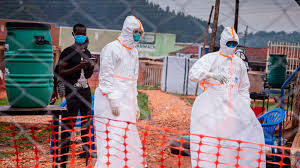
A Kenyan High Court has temporarily halted the opening of a controversial Ebola quarantine centre backed by the United States, following mounting criticism from rights groups, medical unions, and members of the public who fear the move could expose the country to dangerous health risks.
The ruling, delivered by Justice Patricia Nyaundi, suspended the establishment and operation of the proposed facility pending the hearing and determination of a petition challenging the agreement between Kenya and the United States.
The quarantine centre, which was expected to begin operations this week, was reportedly intended to isolate and monitor American citizens exposed to Ebola during the ongoing outbreak in the Democratic Republic of Congo (DRC) and neighbouring Uganda.
According to reports, the planned 50-bed facility was to be located at the Laikipia Air Base in central Kenya and staffed primarily by American medical personnel under the supervision of the US Public Health Service.
However, the project quickly triggered widespread opposition after details of the arrangement emerged publicly.
In her conservatory orders, Justice Nyaundi barred the Kenyan government from establishing, facilitating, approving, or operationalizing any Ebola quarantine, isolation, or treatment facility linked to the United States or any foreign entity until the matter is fully heard in court.
The court also restrained authorities from admitting into Kenya any persons exposed to or infected with Ebola under the disputed arrangement.
“The secretive, unilateral establishment of an Ebola quarantine facility raises grave constitutional concerns regarding the rights to life, health, fair administrative action, public participation, and parliamentary oversight,” the petition filed by Kenyan rights organization Katiba Institute stated.
Katiba Institute, which initiated the legal challenge, argued that the government failed to conduct adequate public consultation before agreeing to host the facility.
The organization further warned that the agreement could endanger Kenyan citizens and undermine constitutional protections related to health and public safety.
The case has intensified national debate over Kenya’s role in global health emergencies and whether the country possesses adequate infrastructure to safely host such a sensitive medical operation.
Medical professionals across the country also expressed strong opposition to the proposal.
The Kenya Medical Practitioners, Pharmacists and Dentists Union (KMPDU) accused the government of risking citizens’ lives in exchange for foreign financial support.
Union officials threatened industrial action if authorities failed to publicly disclose the details of the arrangement within 48 hours.
The union questioned why the United States, which possesses advanced medical infrastructure and infectious disease facilities, would seek to quarantine its exposed citizens thousands of kilometers away in East Africa instead of on American soil.
Public anger grew rapidly on social media, with many Kenyans describing the plan as unfair and potentially dangerous.
Critics argued that Kenya, which currently has no confirmed Ebola cases linked to the latest outbreak, should not expose itself to additional risk by hosting foreign patients.
The controversy also sparked broader geopolitical questions about the balance of power in international health partnerships and Africa’s role in responding to crises involving wealthier nations.
US officials had defended the project as part of emergency preparedness measures aimed at responding quickly to Ebola exposure cases during the escalating outbreak in eastern Congo.
The White House confirmed earlier this week that American citizens exposed to Ebola abroad would no longer be immediately transported back to the United States.
Instead, they would first be quarantined in Kenya, with symptomatic individuals then transferred to specialized treatment centres in Europe.
US authorities reportedly committed approximately $13.5 million toward Kenya’s Ebola preparedness programme as part of the broader arrangement.
Supporters of the initiative argued that the quarantine centre would strengthen Kenya’s disease response capabilities and provide critical resources to prevent regional spread.
However, opponents maintained that the agreement lacked transparency and proper legal oversight.
Kenya’s Ministry of Health acknowledged that discussions with the United States and international health partners regarding Ebola preparedness had taken place, but officials stopped short of directly confirming details about the quarantine facility itself.
Government representatives have yet to release the full contents of any bilateral agreement related to the project.
The current Ebola outbreak in the Democratic Republic of Congo has raised alarm across Africa and the wider international community. (Reuters)
The World Health Organization recently declared a global public health emergency following the rapid spread of the rare Bundibugyo strain of the virus.
Health experts estimate that more than 1,000 suspected cases and hundreds of deaths have already been recorded, although the true figures could be significantly higher due to limited access to affected regions.
The outbreak has also spread into parts of Uganda, heightening concerns about cross-border transmission.
Kenya, a major regional transport and diplomatic hub in East Africa, has increased health surveillance at airports and border points to detect possible Ebola cases entering the country.
Despite these precautionary measures, Kenyan authorities insist no Ebola infections linked to the current outbreak have been detected within the country.
Analysts say the court’s intervention reflects growing public sensitivity around infectious disease management following the global COVID-19 pandemic, which exposed vulnerabilities in healthcare systems worldwide.
The case is also expected to test the Kenyan government’s ability to balance international cooperation with domestic accountability and constitutional safeguards.
The High Court has scheduled the next hearing on the matter for June 2, when both the Kenyan government and other respondents are expected to present their arguments.
Until then, all plans related to the Ebola quarantine centre remain suspended.
The decision has already drawn international attention, with observers closely watching how Kenya navigates the diplomatic, legal, and public health implications of the controversial arrangement..