Kanye West Postpones France Gig After UK Ban Sparks European Backlash
Kanye West postpones his Marseille concert following a UK entry ban and growing backlash across Europe over his past antisemitic remarks.
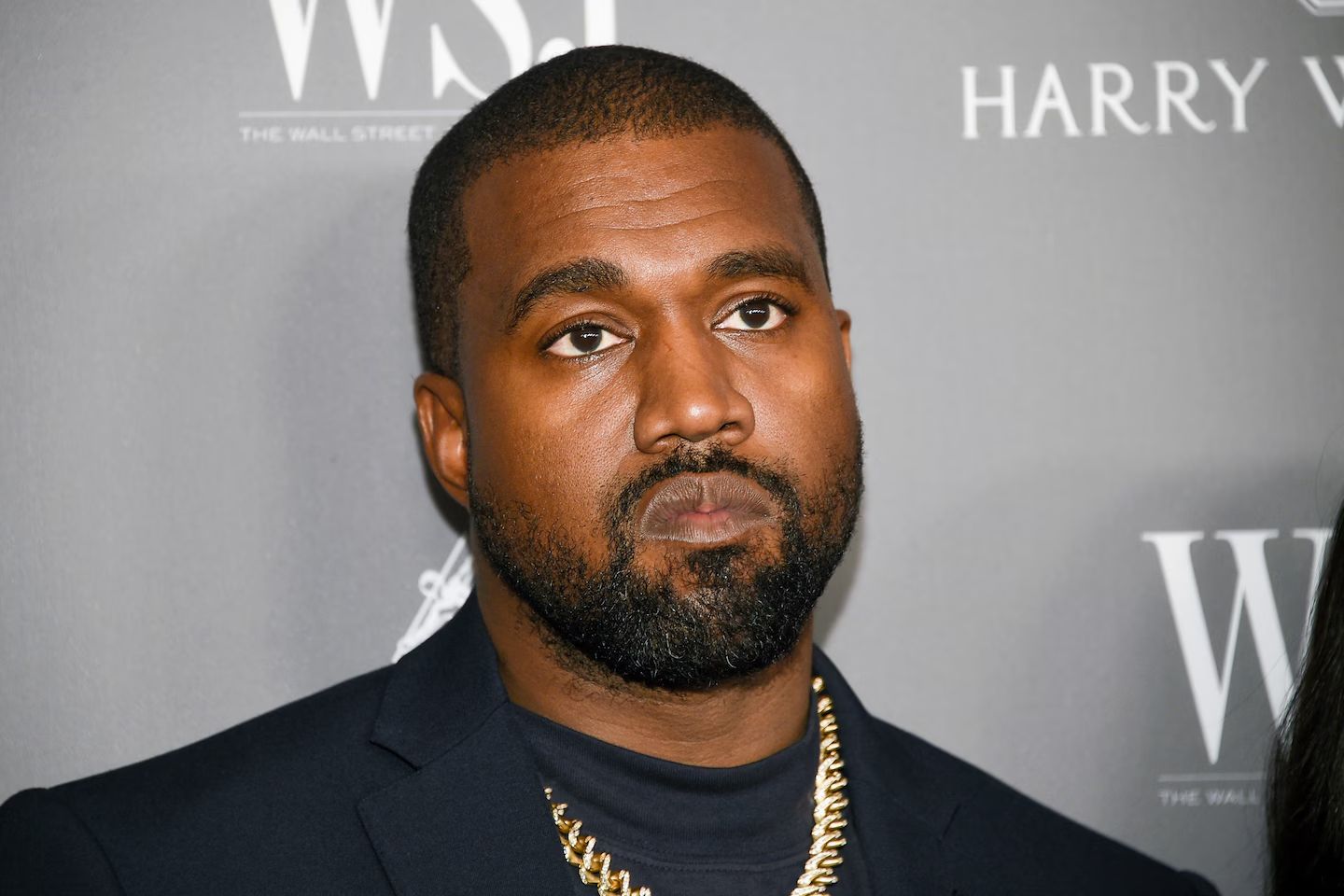
American rapper Kanye West, now known as Ye, has postponed his highly anticipated concert in France, deepening a growing international controversy that has seen him barred from the United Kingdom and face mounting resistance across Europe.
The decision to delay his Marseille performance comes amid intensifying political, cultural, and public backlash over his past antisemitic remarks raising broader questions about accountability, free expression, and the limits of global celebrity influence.
France Gig Postponed Amid Mounting Pressure
Ye had been scheduled to perform at the Stade Vélodrome in Marseille on June 11, as part of his 2026 European tour. However, the concert has now been postponed indefinitely following strong opposition from French authorities and local leaders. (The Washington Post)
In a statement shared on social media, the rapper said the decision came “after much thought and consideration,” adding that he did not want to place fans “in the middle” of the controversy.
French Interior Minister Laurent Nuñez had already indicated that the government was exploring legal avenues to block the concert altogether, citing concerns over public order and the artist’s past statements.
Meanwhile, Marseille Mayor Benoît Payan openly opposed the event, declaring that the city should not host figures associated with “hatred and unapologetic Nazism.”
UK Ban Triggers Domino Effect
The postponement follows a decisive move by the UK government, which recently denied Ye entry into the country.
British authorities revoked his travel authorization, stating that his presence would not be “conducive to the public good.” (Sky News)
The decision forced the cancellation of the 2026 Wireless Festival, where Ye was set to headline all three nights. (Business Insider)
The UK’s stance appears to have set a precedent. Political leaders across Europe have begun reassessing whether the artist should be allowed to perform within their borders, with some lawmakers urging a coordinated continental response. (The Sun)
Controversy Rooted in Antisemitic Remarks
At the heart of the backlash are Ye’s past comments and actions, which have drawn widespread condemnation.
In recent years, the rapper has faced criticism for:
- Making antisemitic statements
- Expressing admiration for Adolf Hitler
- Releasing a controversial track titled “Heil Hitler”
- Selling merchandise featuring Nazi imagery
These actions have triggered severed business partnerships, public protests, and increasing scrutiny from governments and advocacy groups. (euronews)
Although Ye issued a public apology earlier in 2026, attributing his behavior to mental health struggles, many critics remain unconvinced, arguing that his actions have had lasting, harmful effects. (Reuters)
Europe’s Growing Resistance
France is not alone in pushing back.
Authorities in multiple countries are now weighing whether to allow Ye’s performances, reflecting a broader shift in how governments respond to controversial public figures.
In France, officials emphasized that the issue is not just about speech, but about maintaining social cohesion in a diverse society like Marseille, one of Europe’s most multicultural cities. (The Washington Post)
The situation has also reignited debates about the responsibilities of artists performing on international stages.
Balancing Free Speech and Public Responsibility
Supporters of Ye argue that banning artists sets a dangerous precedent for free expression, particularly in democratic societies.
They contend that controversial figures should be allowed to perform, with audiences deciding whether to support them.
However, critics counter that freedom of expression does not extend to speech that promotes hatred or extremism, especially when amplified through global platforms.
Governments, they argue, have a duty to protect public order and prevent the normalization of harmful ideologies.
Impact on Ye’s Global Career
The postponement of the Marseille concert and the UK ban before it marks a significant setback for Ye’s international ambitions.
Despite continued popularity in some markets, his ability to tour globally is increasingly constrained by political and social opposition.
The situation highlights a broader reality for global artists: reputation now travels as fast as music.
In an era of instant communication and heightened social awareness, controversies can quickly translate into real-world consequences, from canceled shows to denied visas.
A Pattern of Escalating Fallout
This is not the first time Ye has faced professional consequences for his statements.
Over the past few years, he has lost major corporate partnerships and faced bans from platforms and events.
However, the current wave of government-level actions represents a new phase, one where state authorities, not just corporations, are intervening.
This shift suggests that the stakes have risen significantly.
What Happens Next?
For now, Ye’s European tour remains uncertain.
While he has expressed a desire to “make amends” and continue performing, the growing resistance suggests that further cancellations or postponements may follow.
Much will depend on whether he can rebuild trust with audiences, governments, and industry stakeholders - a process that could take years.
Conclusion
Kanye West’s postponed France concert is more than just a scheduling change. It reflects a broader cultural and political reckoning.
As the fallout from his past actions continues to unfold, the intersection of art, accountability, and public values is being tested on a global stage.
For Ye, the path forward remains uncertain. For the world watching, the episode raises a pressing question: how should societies balance artistic freedom with the responsibility of confronting harmful speech?